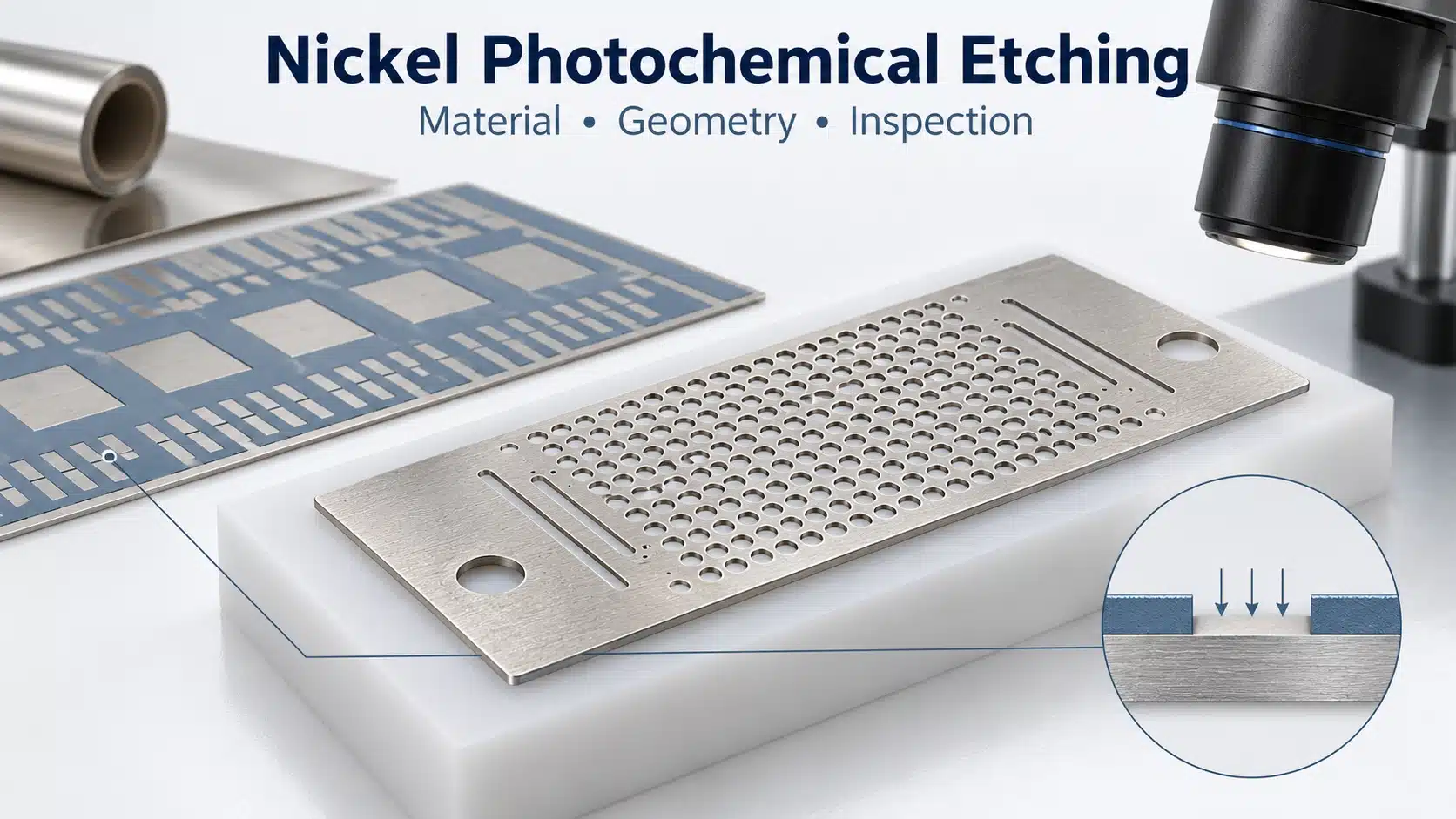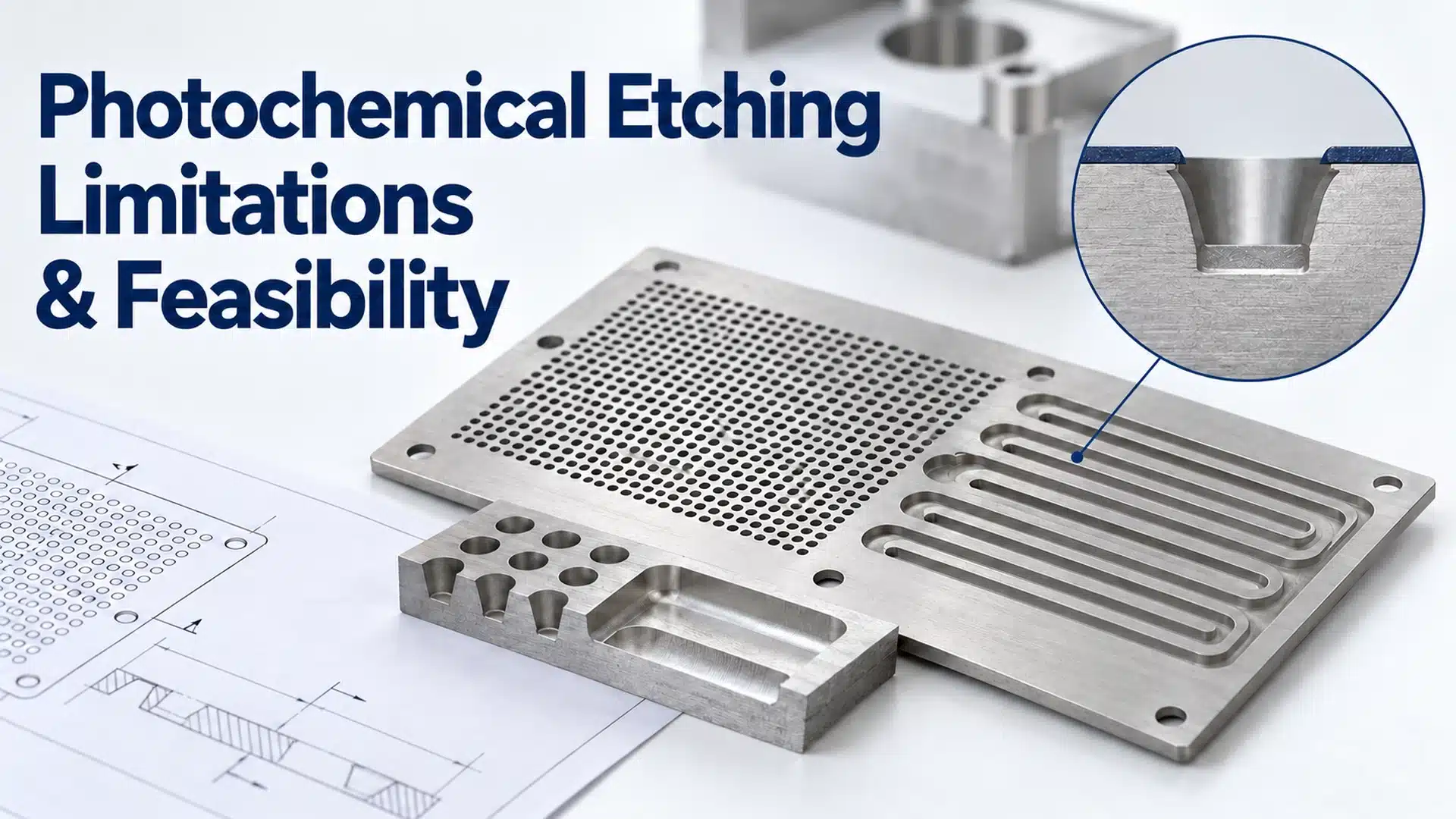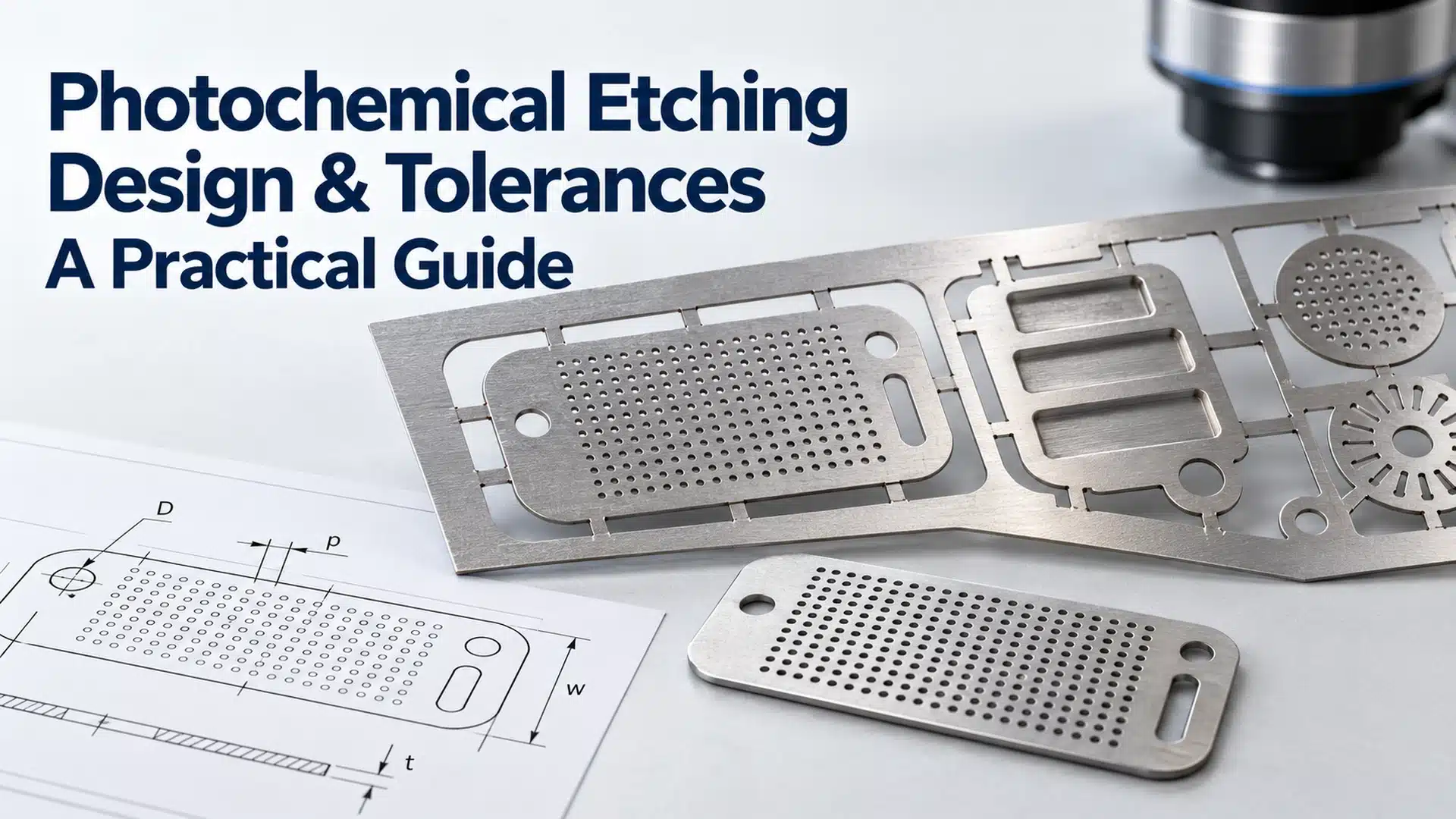

An air filter mesh is a filtration component used to remove suspended particles, pollutants, and other impurities from the air. It is widely used in various settings, including homes, commercial buildings, industrial equipment, and medical environments, to improve air quality and protect the health of equipment and personnel. Air filters may use metal mesh filters, fiber media, filter paper, activated carbon, or combinations of several filtration materials.
Air filter meshes can be classified based on their application areas and filtration efficiency. Common classification standards include: Primary Efficiency Filter Mesh (G1-G4), Intermediate Efficiency Filter Mesh (M5-M6), High Efficiency Filter Mesh (H10-H14), and Ultra-High Efficiency Filter Mesh (U15-U17). By selecting the appropriate grade of filter mesh, air quality can be effectively improved to meet the needs of different application scenarios. TMN will provide a series of introductions around the classification standards of air filter meshes, so follow along to gain a deeper understanding.
Air Filter Mesh Classification Standards
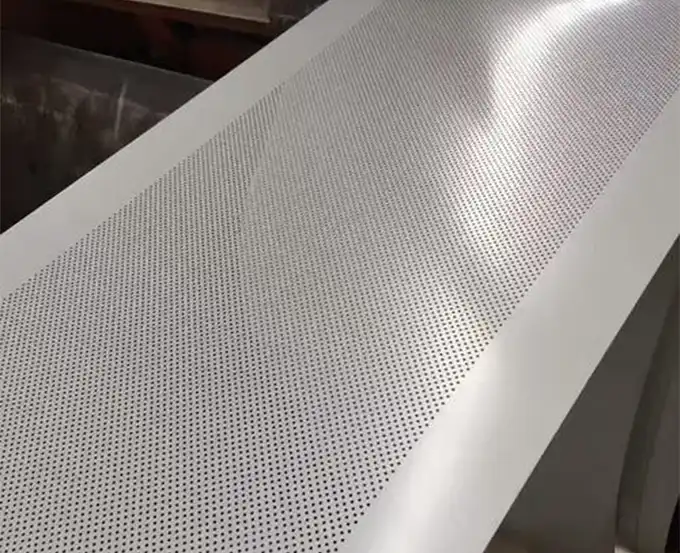
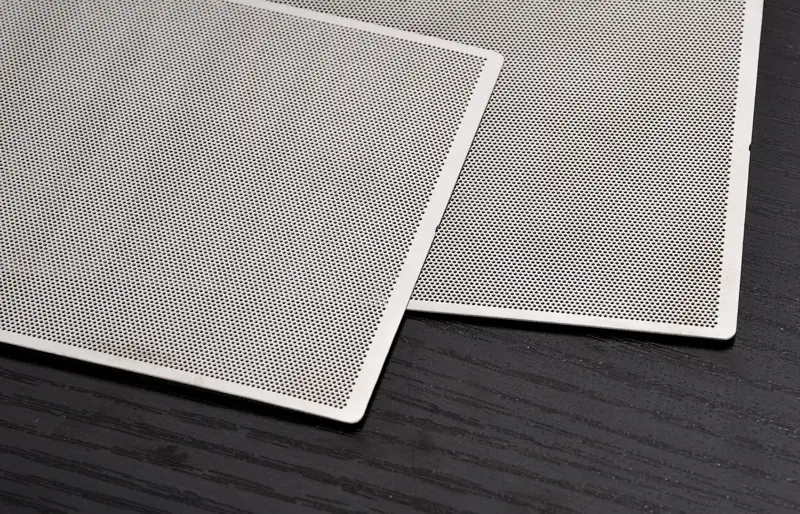
Primary Efficiency Air Filters: These filters must capture particles of 5μm and above with an efficiency of 40-60% (G1-G4 grades, based on the EN779 standard). They are commonly used as primary filters in industrial and commercial air conditioning systems and can also be used as pre-filters for medium efficiency filter meshes. Their main function is to remove larger dust and particles, an application where a reusable fine mesh dust filter screen may be evaluated depending on the required aperture, airflow, material, and cleaning requirements. Filters of this type may use metal filter media such as stainless steel filter mesh, aluminum mesh, or galvanized steel, depending on corrosion resistance, strength, airflow, cleaning, and service-life requirements. These metal filter meshes are corrosion-resistant, have high mechanical strength and durability, and are lightweight, easy to clean, and reusable.
Medium Efficiency Air Filters: These filters must capture particles between 1-5μm with an efficiency of 60-95% (M5-M6 grades, based on the EN779 standard). They are suitable for environments with certain air quality requirements and can also be used as pre-filters for high-efficiency filter meshes, mainly removing smaller dust and particles to extend the lifespan of high-efficiency filters. This filter stage may use stainless steel, aluminum, galvanized steel, polypropylene, or other media depending on the required filtration function. Where the design requires thin metal sheets with repeated precision openings, stainless steel etching can be evaluated as a manufacturing method.
High Efficiency Air Filters: These filters must capture particles of 0.3μm and above with an efficiency of 99.97% and above (H13-H14 grades, based on the EN 1822 standard). They are primarily used in clean rooms, operating rooms, and other places with extremely high air quality requirements. This grade of filter generally does not use metal mesh unless the manufacturing process can achieve the required high filtration precision. Therefore, high-efficiency and even ultra-high efficiency filters more commonly use materials like fiberglass, PTFE, and ultra-fine synthetic fibers to ensure their high filtration performance.
Ultra-High Efficiency Air Filters: These filters must capture particles of 0.1μm and above with an efficiency of 99.9995% and above (U15-U17 grades, based on the EN 1822 standard). They are mainly used in ultra-clean environments such as dust-free workshops and pharmaceutical factories.
The above is an explanation of the classification standards and applications of air filter meshes. However, in special environments like the medical industry, in addition to requiring high-efficiency or higher-level air filters, there are more stringent additional requirements for the filter mesh. Let’s quickly and briefly explore these requirements together.

Medical Grade Air Filter Mesh
A medical grade air filter mesh is a high-efficiency filtration device specifically designed for medical environments to ensure clean and safe air. It is typically made from biocompatible materials such as high-quality stainless steel, titanium, fiberglass, PTFE, and ultra-fine synthetic fibers, which can effectively remove particles, bacteria, viruses, and other contaminants from the air. These filter meshes are commonly used in operating rooms, intensive care units, laboratories, and other medical settings with extremely high air quality requirements to prevent airborne infections and contamination.
Hospitals are critical places for patients to recover and receive treatment, but they are also high-risk areas where germs and contaminants can easily spread. Therefore, high-quality medical grade air filter meshes are of great importance for hospitals.
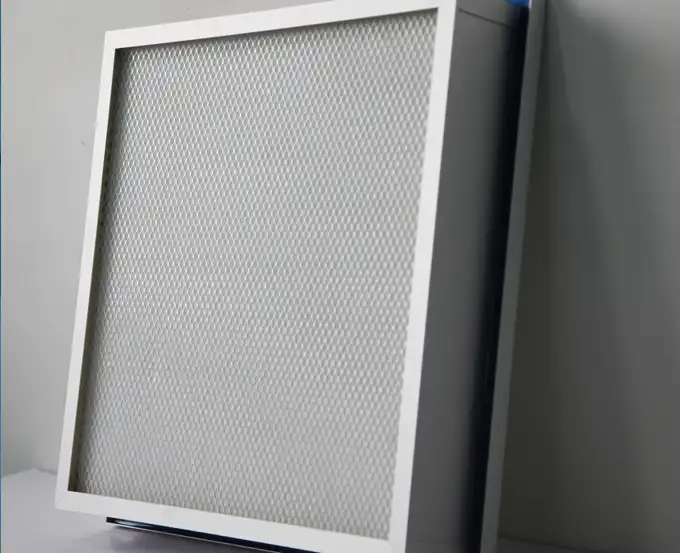
What qualifies as a high-quality medical grade air filter mesh?
High Filtration Performance: Medical grade filter meshes must effectively filter out particles, bacteria, viruses, and other microorganisms from the air, typically achieving HEPA or ULPA standards.
High Filtration Efficiency: For particles of 0.3 microns and above, the filtration efficiency generally needs to reach 99.97% or higher.
Low Air Resistance: While ensuring high filtration efficiency, medical grade filter meshes must also maintain low air resistance to ensure smooth airflow and effective air circulation.
Durability: Medical grade filter meshes must have a long lifespan, ensuring they can maintain high performance over extended use.
Compliance with Industry Standards: They must meet or exceed relevant international and national standards, such as ISO 29463, EN1822, ASHRAE 52.2, etc.
Non-Toxic and Chemical-Free: The materials used must be non-toxic and harmless, and after processing, they must be thoroughly cleaned to ensure no chemical residues remain, ensuring the safety of medical personnel and patients.
These standards and requirements ensure that medical grade filter meshes can provide continuous, efficient, and safe filtration protection in demanding medical environments.
The above is the industry experience TMN has accumulated over the years in manufacturing metal filter meshes, mainly focusing on the classification standards of air filter meshes. This information can help you better understand some basic knowledge of the industry. For custom metal mesh filter projects, buyers should provide the material, thickness, overall dimensions, aperture size and pattern, open-area requirement, quantity, and intended filtration application for manufacturability review. You can easily reach us via phone, WeChat, and WhatsApp at +8613603056883. Alternatively, you can communicate with us via email at [email protected]
Note: TMN’s metal filter mesh experience and capabilities
Related articles:
Stainless Steel Filter Mesh: Manufacturing Process and Types
Filter Mesh: a common filtering tool