
Metal speaker grills act as a protective layer, letting air pass through but clear sound waves. These perforated metal coverings help prevent dust, debris, and accidental damage from reaching the delicate speaker components inside your speakers. When grills become clogged with dust, pet hair, and grime over time, they create a physical barrier, which clouds and collapses sound quality. This ultimately makes your speakers work harder while providing a diminished experience.
Learning how to clean metal speaker grill properly will restore crisp, clear sound. It uses only a couple of household items and roughly 15 minutes of your time.
Materials Required
You do not need any expensive cleaning solutions for a dirty metal speaker grill. Most cleaning is accomplished with simple household items that will not harm fragile metal surfaces.
Assemble:
- A toothbrush with soft bristles (or a dedicated cleaning toothbrush)
- Microfiber cleaning towels
- Soap or dishwashing liquid mixed with warm water.
- Cotton swabs will help reach those tight corners around speaker holes.
- Compressed air in a can
Do not use any strong cleaning solutions such as bleach or ammonia. You should not use either one on aluminum grills, as this could result in permanent discoloration. Stainless steel grills are more capable of handling stronger cleaners, though dish-washing soap works well.
Step-by-step: How to Clean Metal Speaker Grill
Begin by unplugging your speaker from the electrical outlet, and if feasible, take off the grill. Most desktop speakers have grills that either pop off or you can easily unscrew them. This makes cleaning much simpler. Kindly check your manual if you are not sure how to remove the grill.
Removing Dust
Use compressed air to blow out the dust and loose debris from the metal holes. Hold the can upright and spray in quick bursts rather than long-lasting streams. This is to ensure that you do not have moisture build up inside the speaker components. Make sure each square inch of grill surface is addressed, including corners.
Cleaning Application
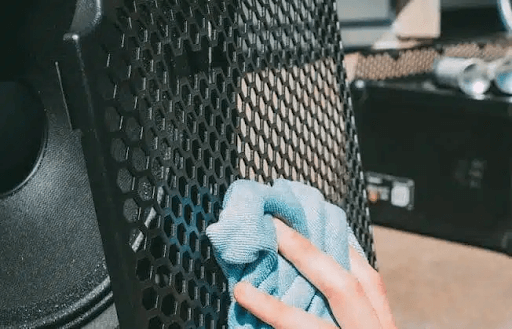
In a shallow bowl, combine one teaspoon of a mild dish soap with two cups of warm water. Dip your soft-bristle toothbrush into the mixture, then start gently scrubbing the metal surface. Scrubbing vigorously will either scratch painted finishes or bend the thin metal mesh. Take small circular motions, especially where you see visible buildup.
For cleaning specifically the speaker mesh, use cotton swabs dipped in the soap solution to clean each hole individually. While this is a tedious activity, it will make an amazing difference in the appearance and sound. Make sure to rinse the cotton swab out so you are not just moving dirt around in the holes.
Final Steps
Thoroughly rinse the grill with some clean water and a damp microfiber cloth, and dry it right away with a clean cloth. Air drying metal grills can cause water spots on certain metals and potentially cause rust to occur. Wait until the grill is completely dry (usually in about 10 – 15 minutes of air drying) before reinstalling it.
Maintenance Tips
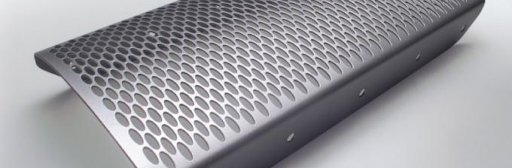
Each week, dust your speaker grills with a dry microfiber cloth or your vacuum cleaner’s soft brush attachment. This easy habit will keep dust and debris from settling too deeply into the metal mesh, where removal becomes more laborious.
Place speakers in less-trafficked areas, or at least six inches from walls. Knowing how to clean metal speaker grill properly will save you time each month and prevent having to clean it heavily every few months.
Lastly, inspect grills at least once a month and look for early signs of rust. Especially if you live in a humid area of the country. Small rust spots are usually easily removed with a light scrub, but if you notice a lot of rust, you may need to get it professionally cleaned or replaced.
Common Mistakes To Avoid
Using everyday cleaning products on speaker grills, all without giving a thought to product compatibility, can cause damage. Avoid using abrasive cleaners as they will simply scratch paint off the speaker surfaces.
Soaking grills that can be removed may seem logical, but it creates problems that are worse than what is being solved. Water will seep into speaker components, creating electrical damage and, over time, may warp the metal frame permanently. The soap-and-cloth method is much better and completely avoids water damage.
Many people bypass drying the cleanup process, thinking the metal grills will dry quickly on their own, which they often do, at the cost of water spots. They become permanent and may require restoration by a professional. Always hand-dry any metal surface immediately after cleaning to prevent those factory-fresh products from becoming stained for good.
TMNetch: Custom Metal Speaker Grills
If cleaning cannot restore the performance of your speaker grill, or if you want a custom audio component. Then TMNetch can provide photochemically etched metal products for the audio industry. Since 2011, they have been excelling in using photochemical etching (PCE).
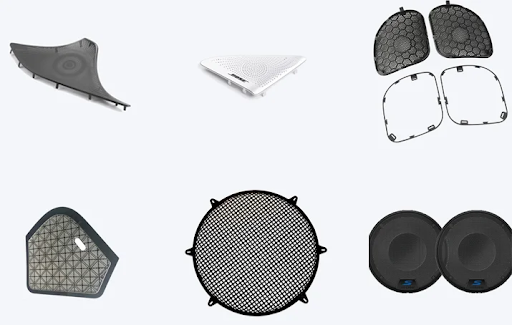
They can provide:
- Custom perforated patterns
- Precision speaker grills ranging from 0.01mm to 3.0mm thick/fabricated in a variety of metals
- Complex components are provided in as short as 3 days
If you are evaluating the difference between photochemical etched grilles and traditional perforated metal grilles, this comparison can help you choose the right manufacturing method for your application. Photo Etched vs Perforated Metal Speaker Grilles: Which Is Better for Your Application?
As a certified ISO 9001:2015 factory with over 100 experienced employees. TMNtech operates 4 fully automated etching machines (of which each machine is 20 meters long) and an additional 19 automated production systems. They can etch in stainless steel, aluminum, brass, specialty alloys, creating speaker grills that allow you to balance acoustic performance and plywood’s durability.
In addition to etching, they offer secondary processes including electroplating, polishing, bending, and laser cutting.
FAQs About How to Clean Metal Speaker Grill
How to clean speaker mesh?
When cleaning speaker meshes, dip a cotton swab in a mild soap solution and work on each hole. You should continue to dip and change the swab to prevent dirt from transferring from hole to hole. Avoid using any type of toothpick or sharp object that might tear apart delicate mesh material.
How to clean speaker grill on phone?
Phone speaker grills are non-removable, so greater caution is needed to ensure you don’t damage the device. Use compressed air on the grill first, then dampen with isopropyl alcohol on a cotton swab and clean carefully around the grill edge. Absolutely no liquid cleaner that is water-based should be used on phone speaker grills and meshes.
How to clean the speaker mesh on the AirPods?
AirPods are the most fragile of the speaker grills/meshes and take the gentlest approach to cleaning. Start by using a dry soft-bristled toothbrush to remove any surface debris from the mesh, then finish the cleaning by lightly dampening a cotton swab in water and carefully going over the same area.
How to remove rust from the speaker grill?
Light rust is treated by using a very lightly applied paste you make out of baking soda (equal parts baking soda and water). It should be applied to rust, left for 5 minutes, lightly scrubbed with a soft brush, and thoroughly rinsed. Let the speaker dry immediately after rinsing, or the rust will come back.
Conclusion
Understanding how to clean the metal speaker grill on your audio equipment can improve the aesthetics and sound quality. It takes only a few minutes to clean the speaker grills using items from your house, but still most people won’t clean them until it decidedly affects the quality of sound. Cleaning regularly prevents you from having to pay repair bills, allowing your speaker to create the original crisp, clean audio enjoyment.