
Do speaker grills affect sound quality? It is also a common query in the sound industry. The sound is a core part of home audio, car systems, and the subwoofer industry. The engineers and fabricators of this industry want to satisfy their customers with their speaker grills.
Basically, the speaker grill is designed to provide protection and durability. It keeps the speaker cone safe from dust, dirt, and even small impacts. For outdoor or car speakers, grills also protect against rain, sun, or scratches.
However, many consumers still debate whether grills hurt sound quality or not. Some think they block detail, while others hear no change. Read this guide to explore the real answer to “Do speaker grills affect sound quality?” and what experts say.
What exactly are Speaker Grills?
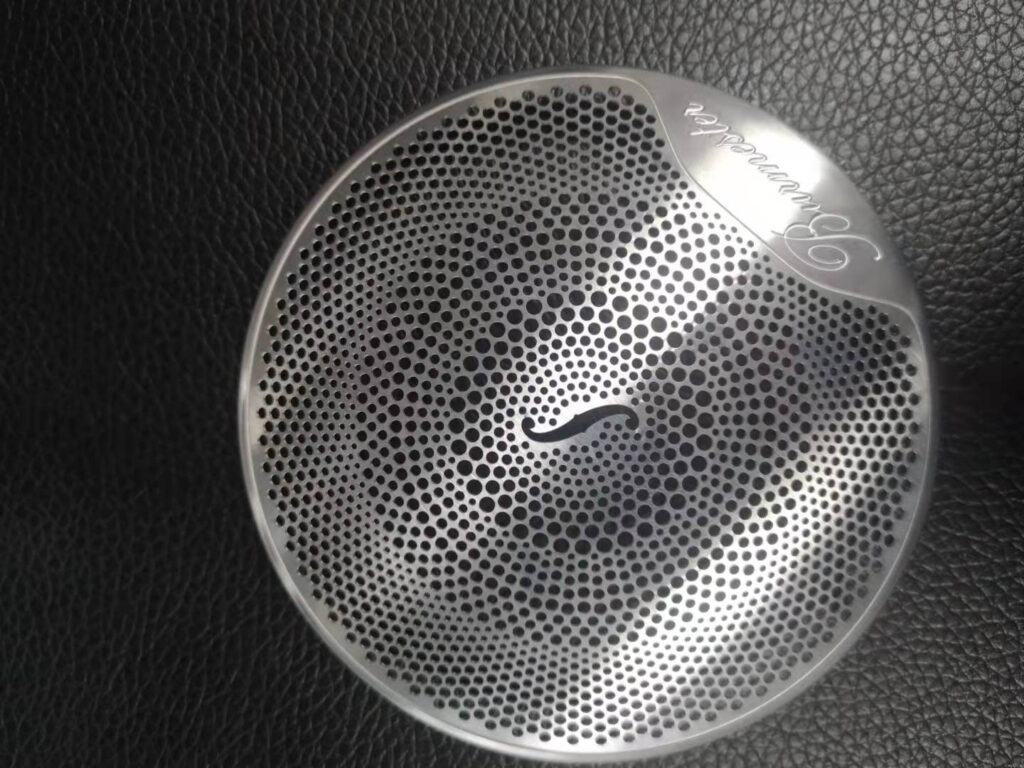
Speaker grills are custom-designed covers that are placed in front of a speaker. Their main job is to protect the soft cone inside. The cone makes the sound, but it is very thin and easy to damage. A grill stops dust, dirt, fingers, or objects from touching it. Grilles can be made from fabric, plastic, aluminum, stainless steel, or other metals. Engineers comparing strength, corrosion resistance, weight, appearance, and acoustic behavior can review the available metal speaker grille materials before selecting a design.
Do Speaker Grills Affect Sound Quality?
Yes, speaker grills can affect sound quality. The effect may be small or big, depending on the design. Some people may not notice, while others hear changes right away. The way a grill is made, how close it sits to the speaker cone, and what material it uses all play a role.
Below are the main reasons that explore how do speaker grills affect sound quality.
Diffraction
This happens when sound waves hit the edges of the grill frame. The sound waves bend, bounce, and sometimes mix with direct sound. This can cause small distortions. High sounds, like treble, and vocals are most at risk. If the grill frame is thick or sits close to the driver, the speaker grill diffraction effects are stronger.
Frequency Response
The grill can change how your speaker handles different sound levels. This is called frequency response. A tight or thick grill can block some high notes. A low sound passes through without trouble. The result may be less sparkle or clarity in the music. Good grills are made to be “acoustically transparent,” so the changes are very small.
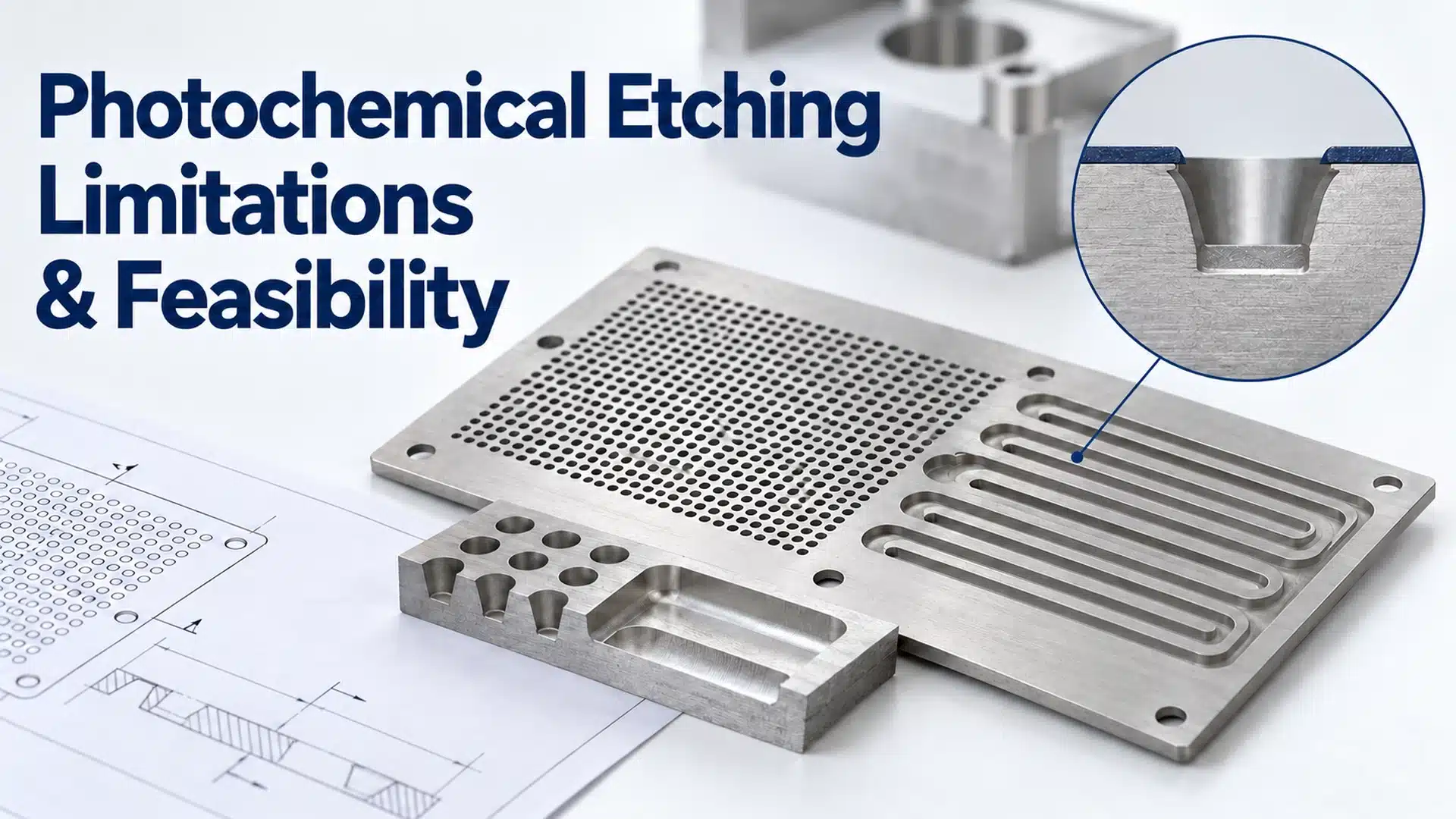
Manufacturing method also matters. If you want to understand how different grille production methods affect hole accuracy, burr risk, and acoustic performance, see our comparison of photo etched vs perforated metal speaker grilles.
Audibility
Not all people will hear the difference. Some listeners, especially audiophiles, may notice that the grill blocks high tones. The effect is stronger when you sit close to the speaker. It is also more noticeable in speakers with tweeters and midrange drivers. In casual use, most people may not mind.
Real-World Balance
A practical grille must balance acoustic transparency, protection, structural durability, appearance, and manufacturability. Engineers designing a new component can use our guide to custom metal speaker grille materials and manufacturing methods to compare material choices, grille structures, and fabrication processes before finalizing the design.
How Speaker Grills Interact With Sound
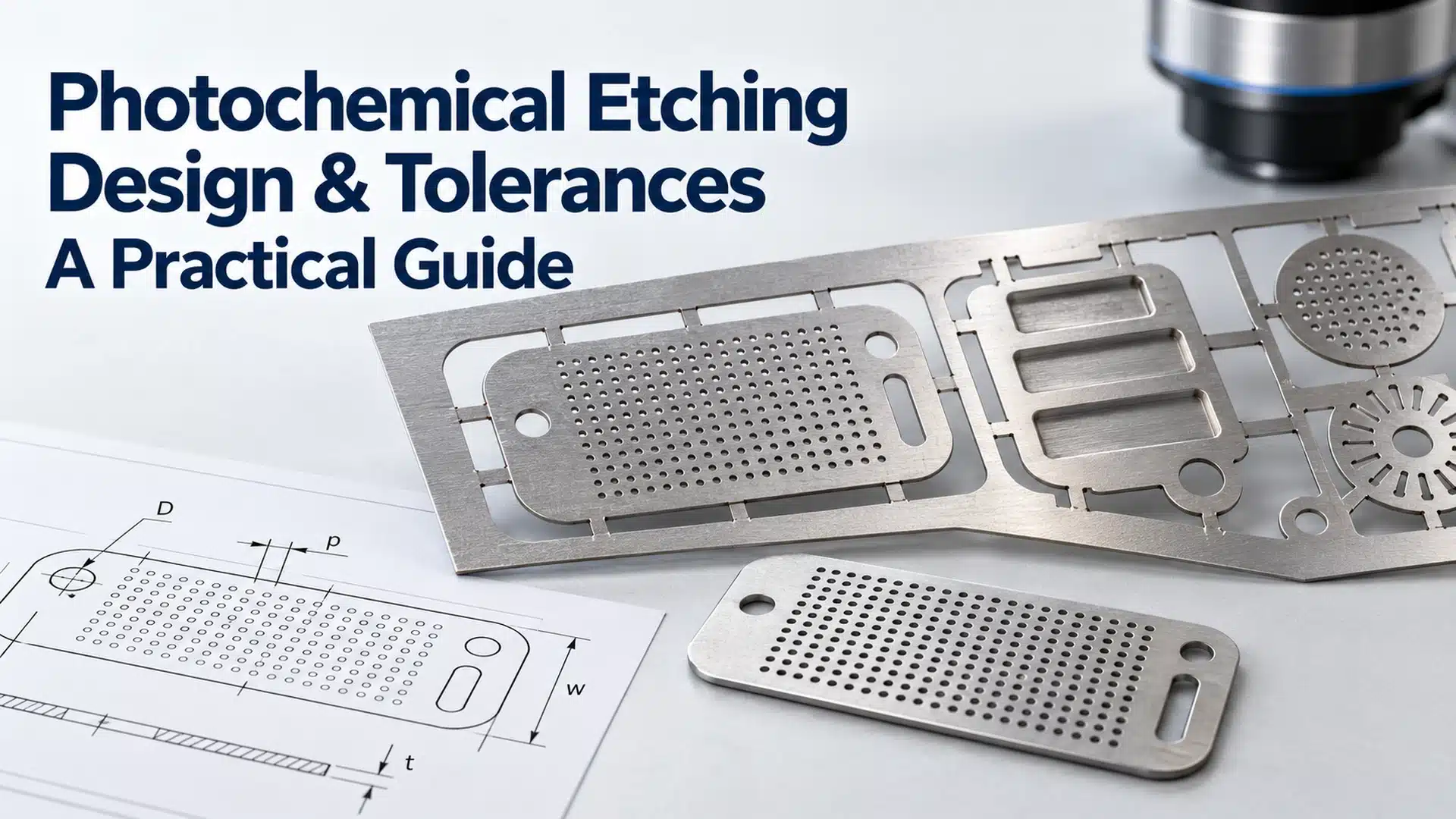
Acoustically transparent speaker grilles are designed so that sound passes through the openings with minimal obstruction. For metal designs, aperture size, spacing, open area, material thickness, and ligament width must be considered together. These relationships also determine the practical photochemical etching tolerances and design limits for a custom grille.
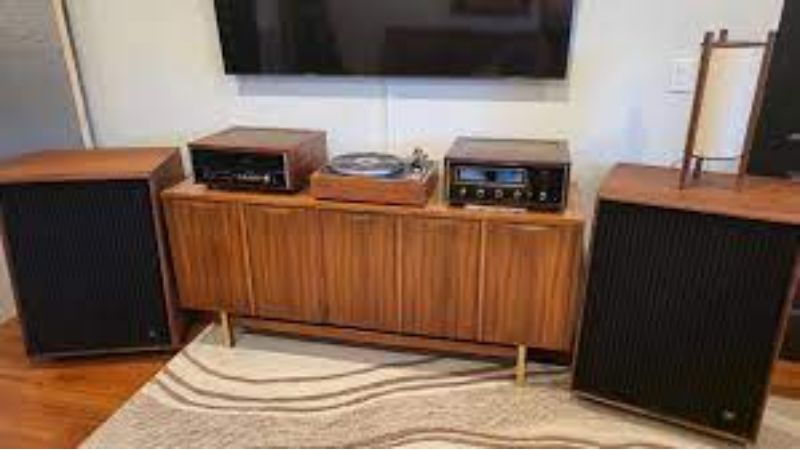
A thin fabric grill usually has little effect. It lets most of the sound pass. A metal or thick mesh can cut some high tones. This is because high-frequency sounds have shorter waves, so they hit the grill more. Lower bass sounds are long waves, so they pass through more easily.
Speaker grille acoustic impact design focuses on “acoustic transparency.” This means the sound flows almost the same as if no grill were there.
For metal grilles with fine holes, thin sections, and tight spacing, photo etching can help produce consistent openings without mechanical punching stress.
What Experts and Manufacturers Say About Speaker Grills Affecting Sound?
Audio engineers say the grill can slightly alter the sound. The frame can bend sound waves at the edges. It can make highs sound less clear. Thin cloth can also cut a tiny bit of treble. Bass does not change much, because bass waves are long.
Engineers suggest slim frames, rounded edges, and open mesh are best for a speaker. They also place the grill at a safe distance from the drivers. When grills are made this way, the change is small. In many rooms, most people will not be able to hear it.
Statements from Major Brands
Many top-rated brands design speakers to sound good with the grill on. They know users want safety and a clean look. Some brands even “voice” the speaker with the grill in place. This means they tune the crossover and the driver so the final sound is balanced.
TMNetch produces custom speaker grilles with uniform perforation patterns, burr-free edges, and excellent dimensional accuracy. For designs that require fine holes, logo patterns, or tight pitch, the photochemical etching process can provide greater flexibility than traditional punching.
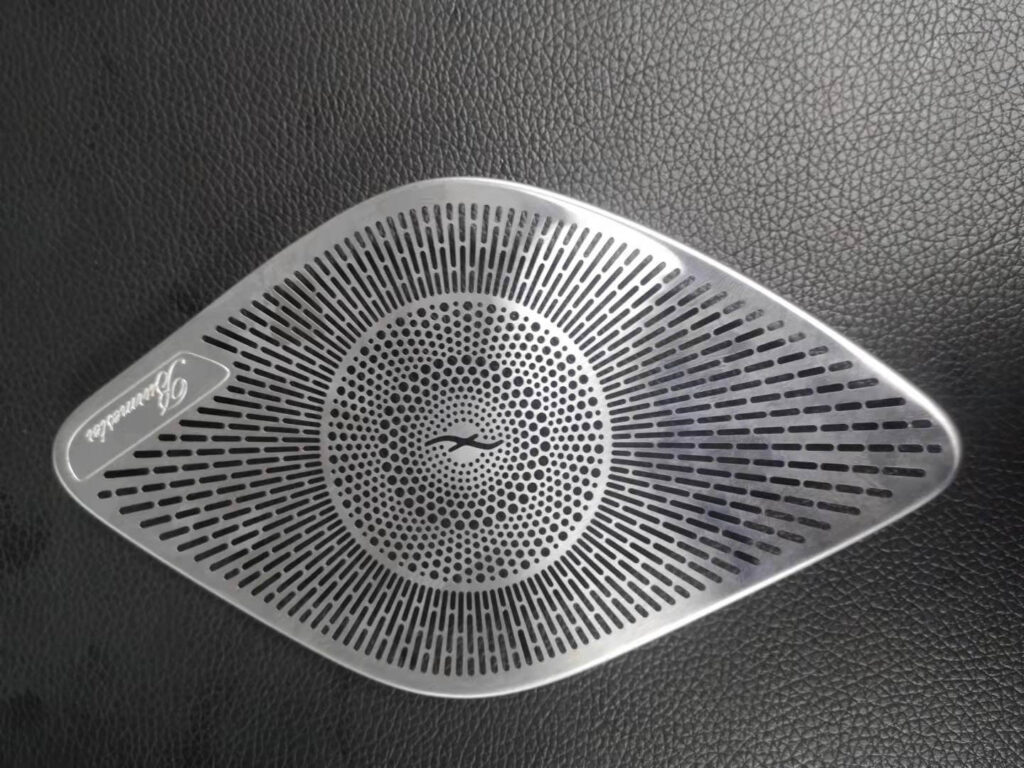
These grills not only protect sensitive acoustic components but also ensure clear, consistent sound transmission while seamlessly integrating with interior design surfaces. With flexible material options and reliable scalability from prototype to mass production, TMNetch speaker grills offer an ideal balance of performance, durability, and refined aesthetics.
Independent Tests and Reviews
Many users and independent tests often measure changes with and without grills. The common result shows small shifts, mainly above 5–10 kHz. You may see tiny dips or peaks. Reviewers note these shifts are clearer at close range. Tests also show frame shape matters more than cloth type. A thick, boxy frame causes more change. If you do not hear a clear change, keep the grill on for safety.
Should You Remove Your Speaker Grills?
It depends on where you use the speakers, what sound you like, and how much protection you need. Let’s examine simple cases so you can make an informed decision.
When to Keep Them On
Keep the grille installed when the speaker is exposed to dust, pets, accidental contact, or other environmental risks. If debris begins to accumulate and restrict the openings, follow the recommended method for cleaning a metal speaker grille rather than removing it permanently.
When to Take Them Off
Remove grills if you want the clearest sound, and your setup is safe. Without grills, highs can sound sharper. This matters most if you listen closely, like in a home studio. Just be sure the speakers sit in a low-risk spot where nothing can hit them.
How to Test for Yourself (Blind Test at Home)
The best way is to try a simple test. Ask someone to switch grills on and off without telling you. Close your eyes and listen to music you know well. If you notice a significant change in sound, decide which one you prefer. If not, safety may be more important than a tiny detail.
FAQs
Do speaker baffles improve sound quality?
Yes, speaker baffles can improve sound quality. A baffle is the panel where the speaker driver is mounted. It prevents sound from the back of the cone from mixing with the front. This keeps the sound clearer. So, baffles play an important role in balancing audio.
Does painting a speaker grill affect sound?
Yes, painting a speaker grill can affect sound if the paint clogs the holes. A thick coat reduces airflow and blocks some high frequencies. It makes the sound less clear. Spray paint applied lightly is usually safe if you keep the holes open. Avoid heavy layers, drips, or using thick paint types.
What causes poor sound quality?
Poor sound quality can come from many factors. Damaged speakers, clogged grills, or low-quality parts can distort sound. Furthermore, the bad placement also affects clarity. Weak power from an amplifier may cause distortion.
Final Thoughts
To sum up, “Do speaker grills affect sound quality?” has a straight answer. Yes, they can affect mostly the higher tones. It depends on the grill’s material, frame shape, and speaker distance.
For most people in normal rooms, the difference is too small. The main purpose of a grill is still protection. It keeps your speaker safe from dust, pets, kids, and accidents. A good tip is to test for yourself with a blind trial. This way, you can choose what feels right for your ears and still keep your speakers safe for years.
If you need custom speaker grilles for automotive audio, consumer electronics, smart speakers, or industrial sound equipment, submit your speaker grille drawing for manufacturing review with the material, thickness, aperture pattern, open-area requirement, finish, critical dimensions, and production quantity.