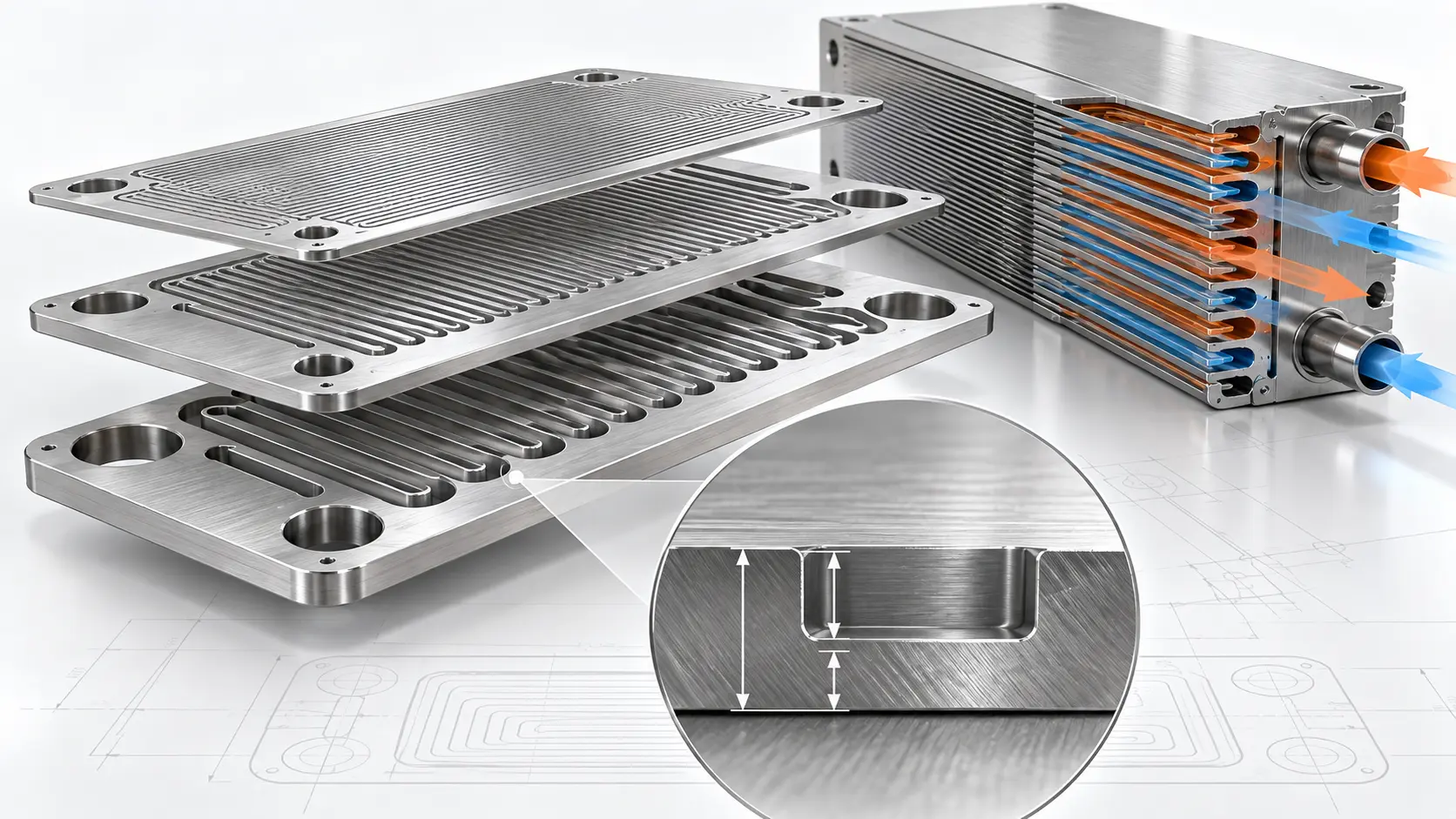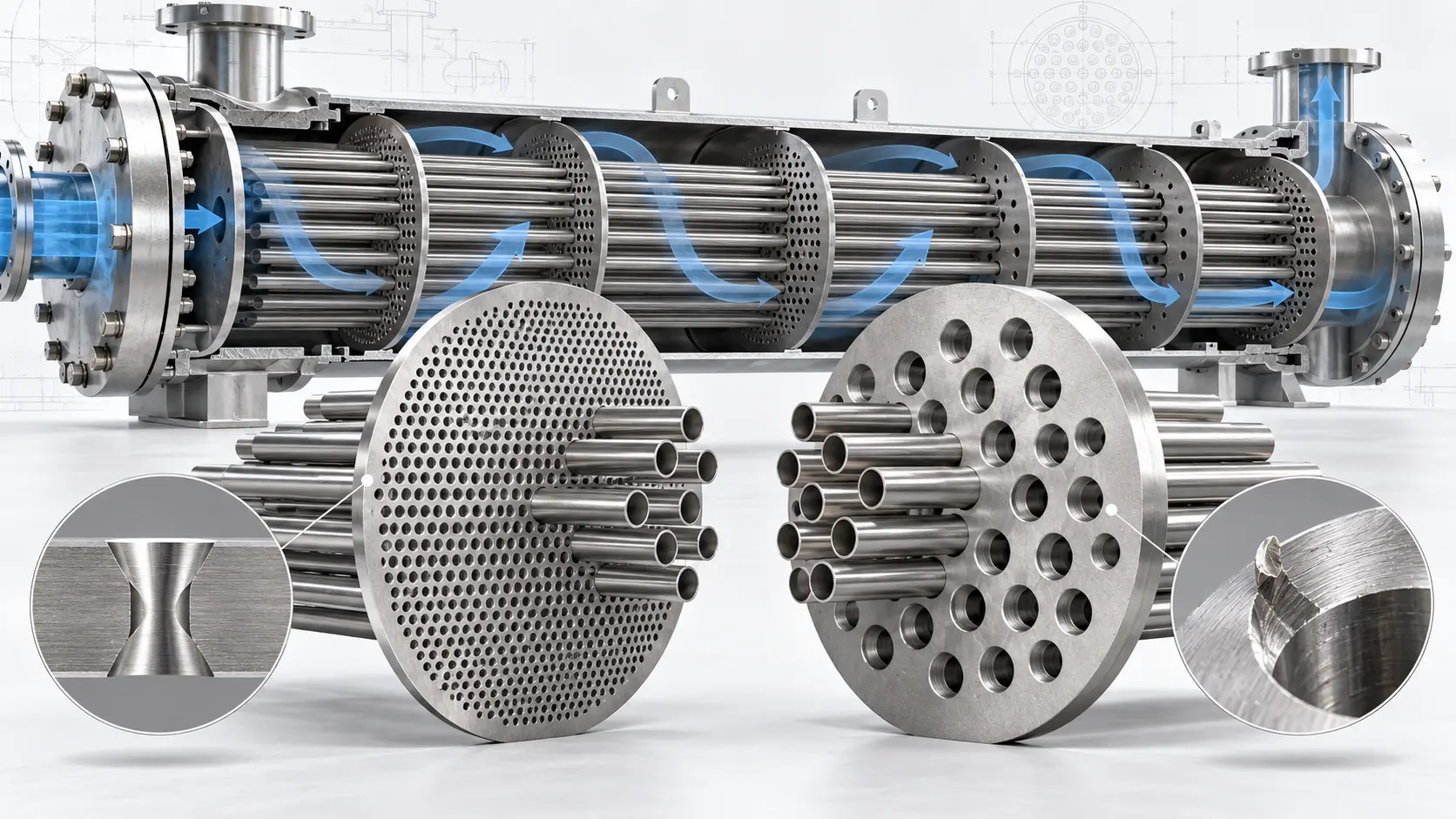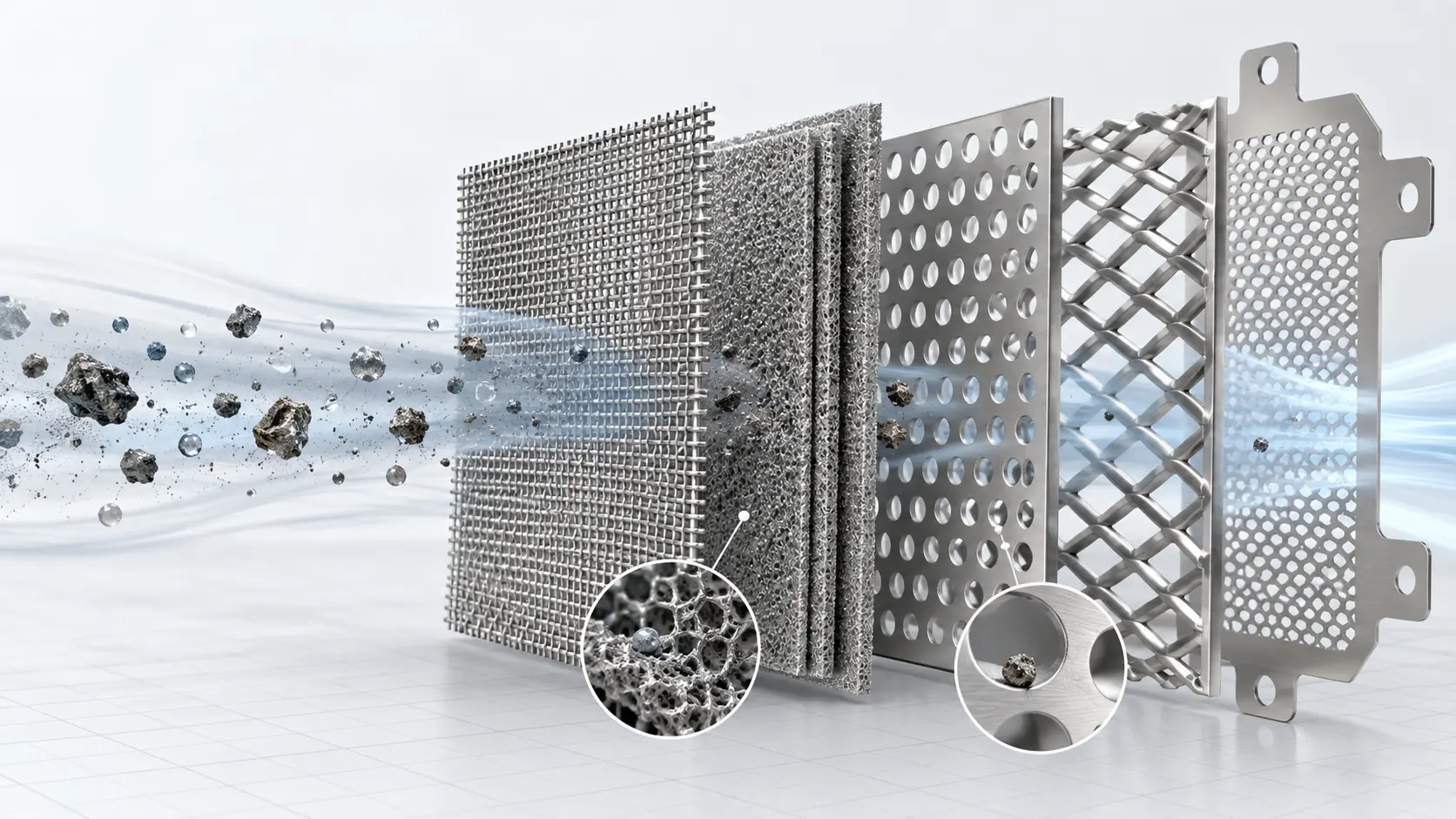

Aluminum chemical etching is a precision manufacturing process used to produce lightweight, burr-free aluminum parts with complex patterns, fine openings, and tight dimensional requirements. Because aluminum has a natural oxide layer and reacts quickly with many etchants, successful etching depends on alloy selection, surface preparation, etchant control, and design-for-etching rules.
This guide explains how aluminum etching works. It also shows which alloys are suitable. Engineers can use it to design etched aluminum parts for aerospace, electronics, automotive, filtration, and decorative applications.
What Is Aluminum Chemical Etching?
Aluminum chemical etching is a precision manufacturing process that removes selected material from aluminum sheets or foils through controlled chemical reactions. Engineers evaluating a production project can review TMNetch’s aluminum chemical etching services for available alloys, component types, and quoting requirements. The process does not cut metal with force or heat. Instead, it uses a patterned resist layer to cover the areas that should stay in place. The exposed aluminum is then etched away. This process works well for lightweight aluminum parts. It can create fine details, complex shapes, micro openings, and burr-free edges without raised metal burrs.
For engineers and industrial buyers, aluminum chemical etching is especially useful when a part requires design flexibility, clean edge quality, and minimal mechanical stress. Because the process does not require hard stamping dies, design changes can be made more quickly during prototyping. This is useful for custom aluminum parts used in electronics, aerospace, automotive, filtration, decorative panels, shielding components, and other precision applications.
Aluminum chemical etching is often a better fit than machining or stamping for thin parts with complex patterns. If a project only needs logos, serial numbers, or traceability marks, compare laser etching aluminum with chemical etching before selecting the process. It can produce detailed geometries without causing deformation, punch burrs, or heat-affected zones. However, successful aluminum etching depends on several key factors. These include alloy selection, surface preparation, etchant control, and design rules. Etchant control means managing the chemicals that remove the metal. This helps keep the process stable. This is why professional aluminum etching services are often needed for projects that require stable quality and repeatable dimensions.
Why Is Aluminum Difficult to Etch?
Aluminum is difficult to etch because it naturally forms a thin oxide layer on the surface. This layer protects the metal, but it can also block the etchant and cause uneven etching, rough edges, pitting, or incomplete patterns.
Aluminum is also highly reactive once the oxide layer is removed. If etchant concentration, temperature, agitation, or exposure time is not controlled, the etching rate can become unstable and affect part accuracy.
Different aluminum alloys react differently during etching. Pure aluminum usually etches more easily. Alloys that contain magnesium, silicon, copper, or zinc may need tighter process control.
Because of these factors, aluminum chemical etching needs strict process control. It also needs accurate masking and proper inspection. These steps help ensure clean edges, stable dimensions, and repeatable quality.
Best Aluminum Alloys for Chemical Etching
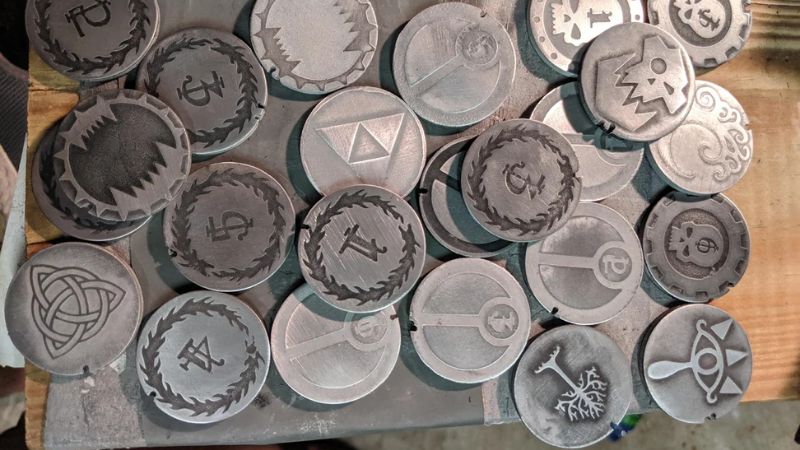
The best aluminum alloy for chemical etching depends on several needs. These include strength, corrosion resistance, surface finish, thickness, and the final application. Some alloys are easier to etch, while others need more careful control.
1100 aluminum is easy to etch and suitable for foils, nameplates, and decorative parts. 3003 offers better strength and stable etching performance. 5052 is often used when corrosion resistance is important. 6061 provides higher strength but requires tighter process control.
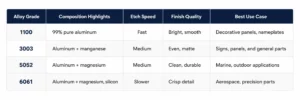
Before choosing an alloy, engineers should review several factors. These include tolerance, thickness, surface finish, strength, and the final use environment. For complex etched aluminum parts, manufacturability should be confirmed before production.
Aluminum Chemical Etching Process: Step-by-Step
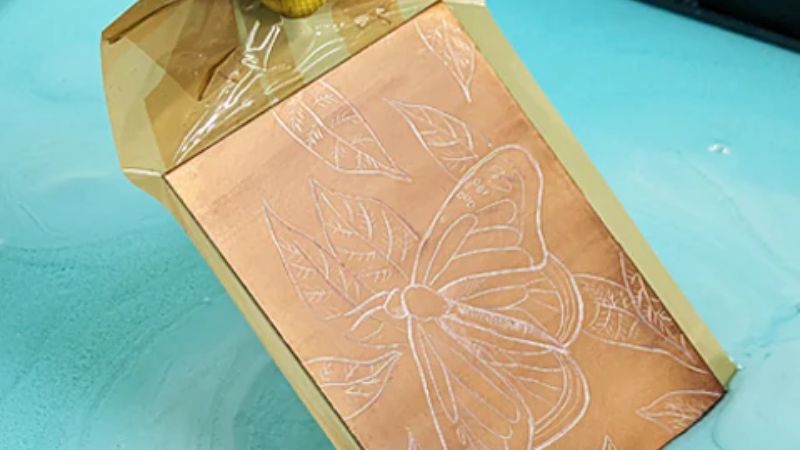
Aluminum surface etching is a process of controlled removal of metal using chemical solutions. The process works best when each stage is done in proper order and follows the safety rules. A minor detail, skipping or rushing one stage, can change the depth, finish, or clarity of the etched pattern.
Step 1: Surface Cleaning and Preparation
Before etching, operators clean the aluminum sheet. This removes oil, dust, fingerprints, oxide, and other surface contaminants. Proper surface preparation helps the photoresist bond evenly. Photoresist is the protective layer that holds the pattern during etching. It also helps the etchant contact the exposed aluminum surface in a stable way.
This step is especially important for aluminum because its oxide layer can affect the etching reaction. If the surface is not properly prepared, the final part may have uneven etching depth, rough edges, or incomplete pattern transfer.
Step 2: Masking and Pattern Transfer
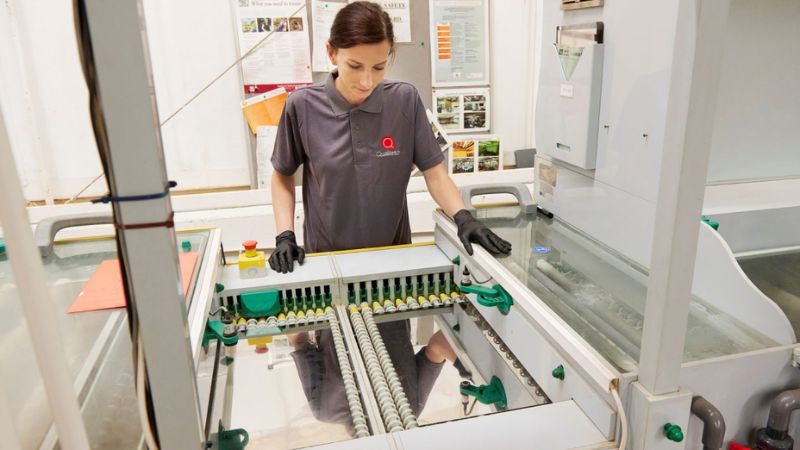
During the photochemical etching process, a protective photoresist is applied to the cleaned aluminum surface. The engineering pattern is then transferred from digital artwork onto the resist before chemical removal begins.
The protected areas remain covered during etching, while the exposed areas are removed by the chemical solution. Accurate masking is important for maintaining fine details, hole patterns, line widths, and dimensional consistency.
Step 3: Controlled Chemical Etching
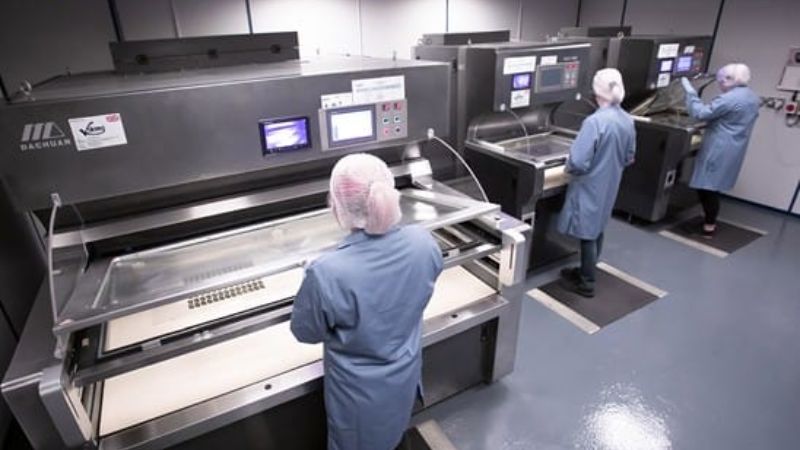
During the etching stage, the exposed aluminum is removed by a controlled etching solution. Operators must carefully manage the process parameters. These include etchant concentration, temperature, spray pressure, agitation, and exposure time.
Aluminum reacts quickly after operators remove the oxide layer. Poor process control may cause over-etching, pitting, rough edges, or too much undercut. Undercut happens when the etchant removes metal sideways under the resist. A controlled etching process helps produce burr-free edges. It also keeps dimensions stable and results repeatable for precision aluminum parts.
Step 4: Resist Stripping, Cleaning, and Inspection
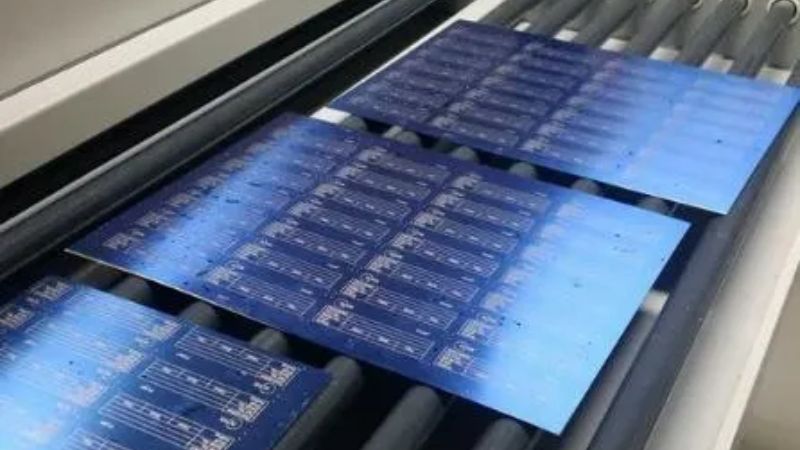
After etching, the remaining resist is stripped from the aluminum surface. The parts are then cleaned, neutralized, and dried to remove chemical residues.
Finally, operators inspect the etched aluminum parts. They check dimensional accuracy, edge quality, hole consistency, surface finish, and etching depth. For precision applications, this inspection helps confirm part quality. It ensures the finished parts meet the required tolerance and performance standards. This inspection takes place before shipment or additional finishing. Projects that require forming, plating, painting, or other post-etch operations can use TMNetch’s one-stop chemical etching services to reduce supplier handoffs.
Design Guidelines for Etched Aluminum Parts
Good design is important for reliable etched aluminum parts. The final result is affected by material thickness, pattern density, feature size, spacing, and etching depth.
Recommended File Formats, Line Widths, and Tolerances
Use vector files such as AI, DXF, EPS, or SVG to preserve accurate geometry during mask preparation. Minimum feature size and achievable tolerance depend on the aluminum alloy, material thickness, feature geometry, and etch depth. Review the photochemical etching tolerances and design limits before finalizing the drawing. All dimensions should allow for a slight undercut during etching.
Preparing Artwork for Sharp, Clear Results
It’s compulsory to prepare your art or design. The artwork should have a strong contrast between etched and non-etched areas. It is best to avoid some chemical gradients. A mask is mostly preferable to cover the metal parts.
Clean up stray points in the file so the mask cuts smooth edges. If text is part of the design, choose a bold font so small letters hold detail after etching. Before production, keep a small test on scrap aluminum to see how the design reacts with your etchant.
Handling Intricate or Micro-Patterned Designs
In aluminum etching, fine or dense patterns need extra care. You can use a high-resolution photoresist and strong UV exposure to check the tiny details. To avoid overheating, you can break the complex design into some areas. Make sure your etch times are short and repeat the crystal for better control in the feature. This approach keeps precision even on the smallest patterns.
Common Applications of Chemically Etched Aluminum Parts
Chemically etched aluminum parts are used in aerospace, electronics, automotive, filtration, industrial equipment, and decorative applications.
Need custom etched aluminum services for your application? Send your drawings to TMNetch for a manufacturability review and quotation.
In electronics, etched aluminum can be used for custom EMI/RFI shielding, heat spreaders, connector parts, thin foils, and decorative covers. In aerospace and automotive applications, etched aluminum can support lightweight panels, sensor covers, battery components, and heat-transfer plates. For aerospace projects, this etching, CNC machining, and stamping comparison can help engineers select the process that fits the part geometry and production volume.
For filtration and fluid control, etched aluminum can create precision metal mesh filters and screens, micro-perforated foils, and flow-control plates. The process is useful when a design requires uniform openings and clean edges.
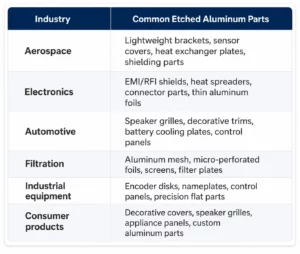
Aluminum chemical etching is useful when a part needs both function and visual quality. It helps manufacturers produce precise aluminum parts without hard tooling. This reduces tooling cost and design limits. It also makes the process suitable for both prototyping and production.
How to Choose the Right Aluminum Etching Supplier?
The aluminum etching techniques for beginners need a technical team that understands the right chemical proportion and material geometry. If you belong to the aerospace industry and etch lightweight panels, make sure to choose the right supplier.
The right supplier should understand the selected alloy, drawing tolerances, inspection requirements, and production volume. Use this chemical etching supplier checklist to evaluate material experience, design support, quality control, capacity, and traceability before placing an order.
Capabilities, tolerances, and proofing
A good supplier should work with the alloys you use and meet your depth and finish requirements. They must hold tight tolerances of ±0.025 mm. You may ask if they can produce a sample before full runs. This helps verify their process matches your design needs.
Lead times and production scalability
A lead time affects your project schedules. Choose the supplier that delivers small projects fast. They also handle large volumes without losing quality. The best suppliers adapt to your needs without long delays when order sizes change.
Quality control and repeatability checks
Make sure to select the supplier that provides you with clear inspection steps at multiple stages. They should measure depth, line clarity, and finish on every lot. You may ask if they record process data for traceability. This allows repeat orders to match earlier parts exactly.
TMNetch Offers High-Precision-Oriented Aluminum Etching Services
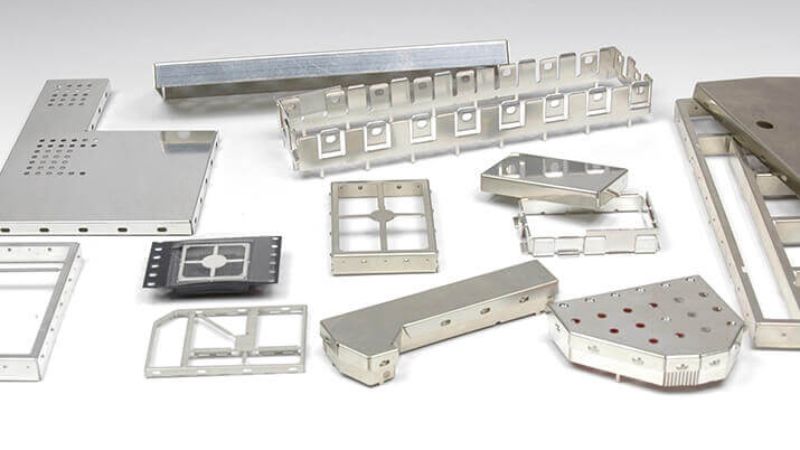
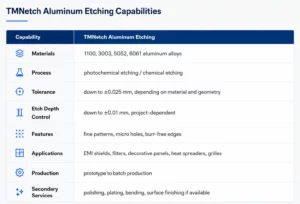
TMNetch provides custom aluminum chemical etching services for projects that require controlled dimensions, clean edges, complex patterns, and repeatable production. We work with common aluminum alloys such as 1100, 3003, 5052, and 6061, depending on the application, material thickness, and part requirements. Our process can achieve tolerances down to ±0.025 mm, while etch depth can be controlled within ±0.01 mm for suitable designs. This capability allows engineers to produce complex patterns, fine openings, lightweight structures, and tight-fit aluminum components with consistent quality.
Our aluminum etching process is carried out under controlled production conditions. Etching baths are managed with strict temperature, concentration, timing, and agitation control to reduce the risk of over-etching, excessive undercut, and dimensional variation. TMNetch inspects key dimensions, etch depth, edge quality, and surface finish for each production batch. Process parameters are also recorded to support repeatability for future orders, making our aluminum etching services suitable for aerospace, electronics, automotive, filtration, and other precision manufacturing applications.
TMNetch also follows safe and environmentally responsible manufacturing practices throughout the etching process. TMNetch uses controlled process management to reduce chemical waste. It also improves material utilization, so more raw material becomes usable parts. This helps maintain stable production quality. TMNetch balances precision, repeatability, and responsible processing. This supports customers who need high-quality etched aluminum parts. It also helps maintain performance and production consistency.
FAQs
Can aluminum be chemically etched?
Yes. Aluminum can be chemically etched when key factors are controlled. These include the oxide layer, alloy composition, etchant concentration, temperature, and exposure time. The aluminum etching process works well for thin aluminum parts. It can produce fine patterns, micro openings, burr-free edges, and repeatable dimensions.
Which etchant is used for aluminium?
Will vinegar etch aluminum?
Yes, vinegar can etch aluminum, but it takes time, and the process is slow. The acid in vinegar reacts with the oxide layer and the metal parts. It will not give deep or sharp patterns. For strong etching, you should use stronger, controlled etchants.
What is the etching agent for aluminum?
Mostly phosphoric or nitric acid is the best chemical for aluminum etching. You can also use alkaline solutions like sodium hydroxide. These break the oxide layer and dissolve the metal. Proper control of concentration is key to clean, accurate results.
Final Thoughts
To sum up, the aluminum etching gives very clean, accurate, and flawless results. It is the main way to make fine patterns, sharp markings, and precise cuts in aluminum. You don’t need to buy heavy machinery. This process can handle thin or complex parts.
However, these results will only be achievable when you take safety precautions. If safety rules are ignored, the chemicals can cause burns, damage parts, and create dangerous fumes. Poor handling can also lead to uneven depth, blurred designs, and wasted material. So, it is best to follow the safety rules and correct process steps to make sure your aluminum etching project is safe.
Send your aluminum drawing and project requirements for a manufacturability review and quotation. Include the alloy, thickness, dimensions, quantity, tolerance, and required secondary finishing.