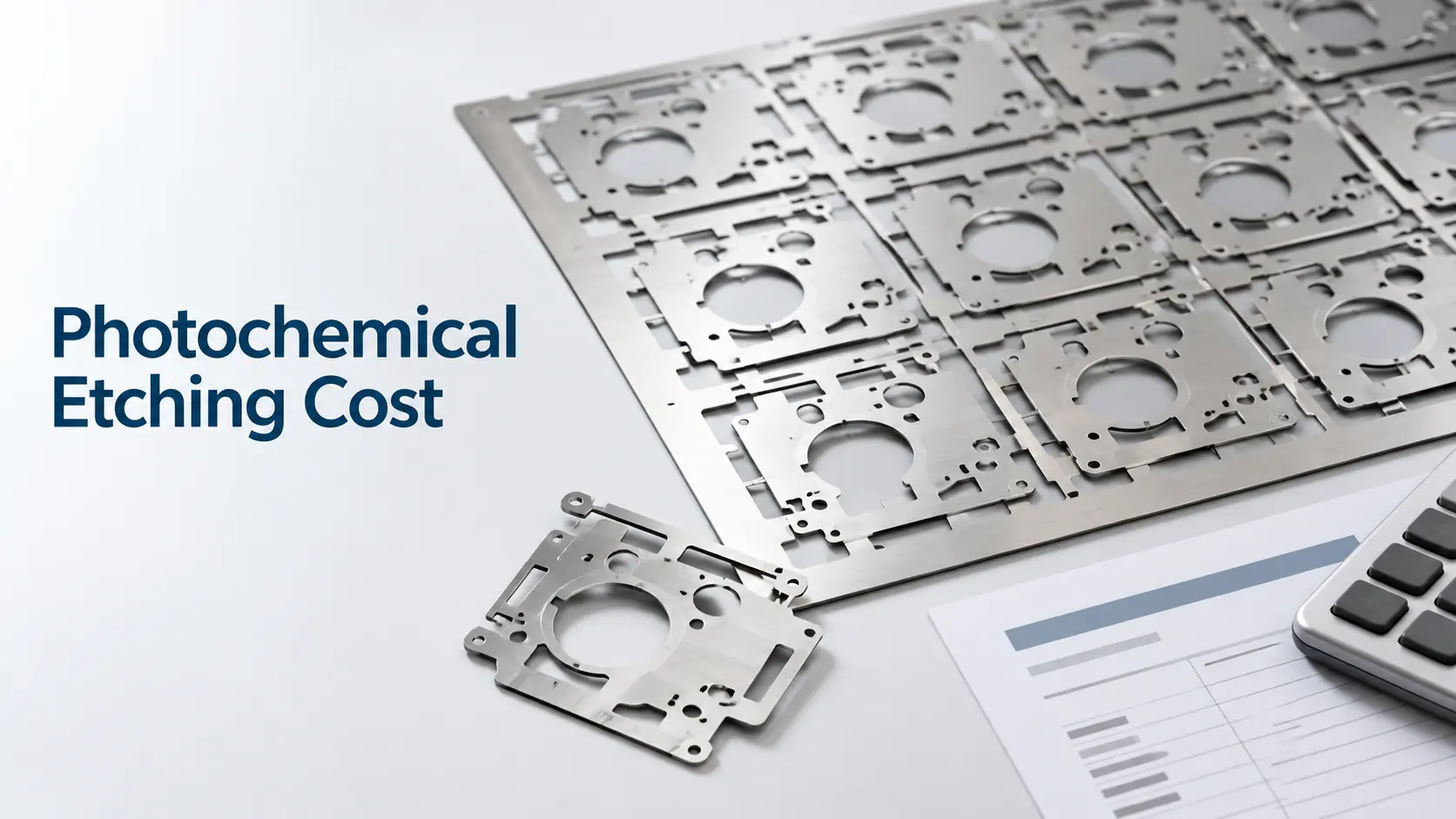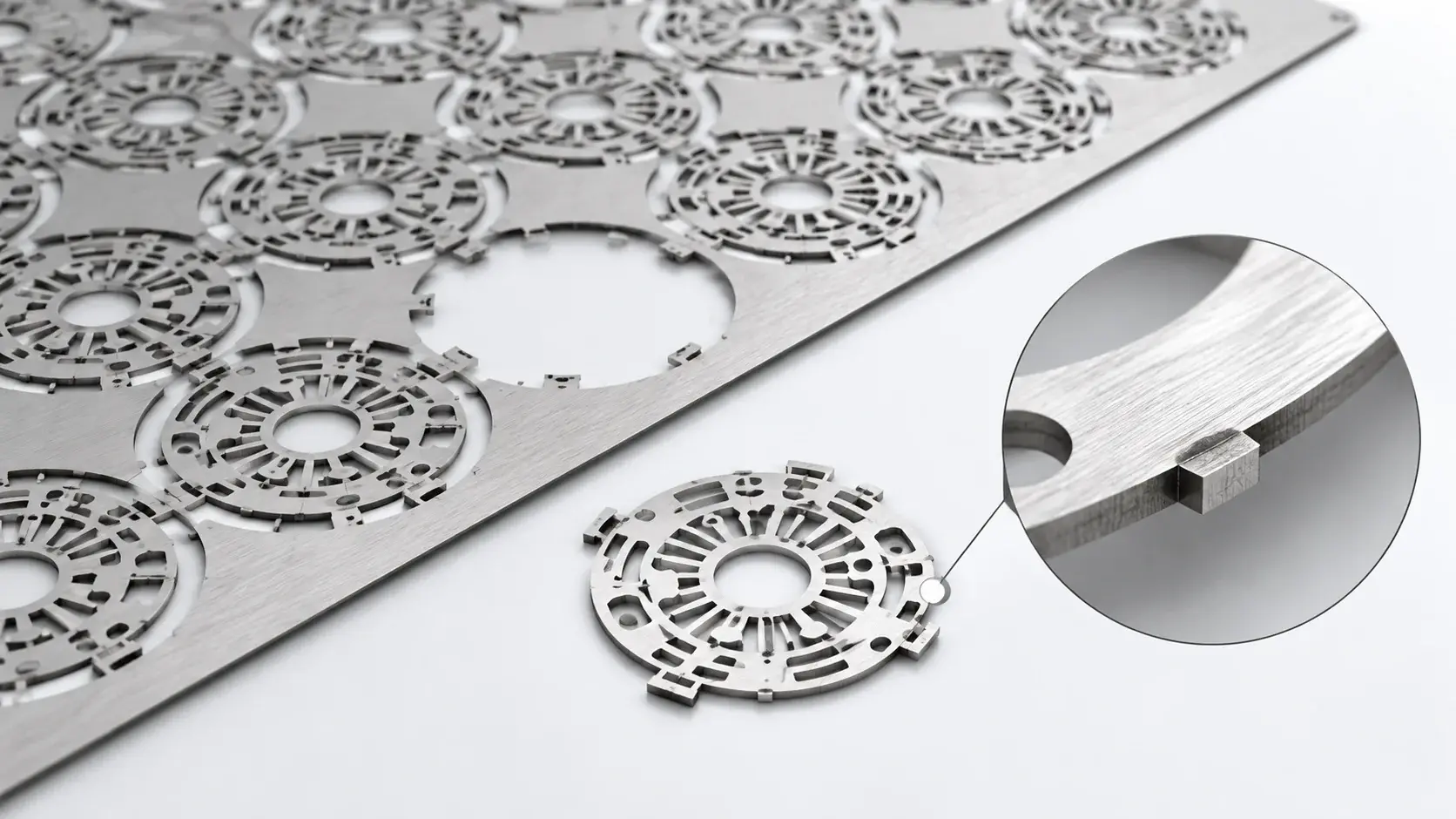

The chemical etching works under controlled chemical reactions to remove metal in exact patterns. Generally, engineers use the chemical etching process to remove selected metal areas and produce intricate designs without mechanical stress, heat distortion, or burr formation. However, chemical etching applications are not limited to making designs in metal surfaces.
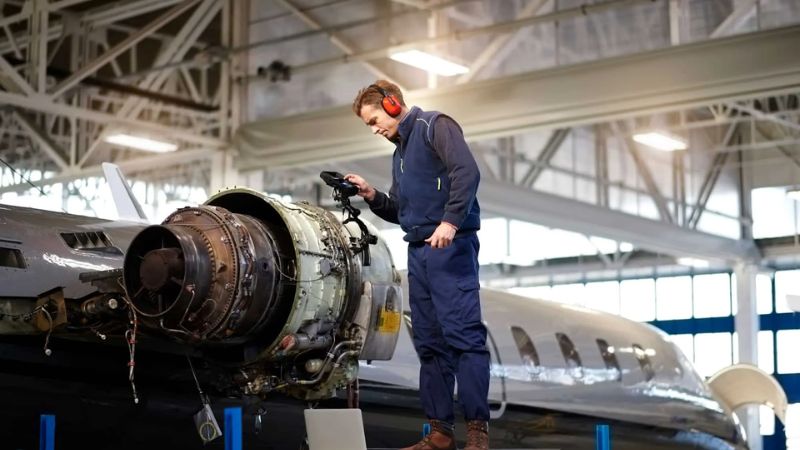
The aerospace manufacturers also use it to create turbine shims and precision fuel filters.
On the other hand, the electronics and semiconductor industries use it for EMI/RFI shielding. The chemical etching uses a different range of materials, like stainless steel, copper, and brass.
This is the main reason each sector prefers this process to other traditional methods. Read the guide to explore the chemical etching applications across various industries.
Chemical Etching Applications: Where Can This Technology Deliver the Most Impact?
Generally, chemical etching is used to shape the thin metal sheet without distortion. However, many industries adopt this technology to achieve excellence in their fields. Here is a detailed overview of the application and benefits of chemical etching in manufacturing.
Chemical Etching Applications by Industry and Component
Chemical etching is most valuable when a part combines thin metal, complex geometry, repeated openings and strict edge-quality requirements. The table below shows how different industries use the process to solve specific component manufacturing problems.
| Industry | Typical Etched Components | Main Engineering Requirement | Why Chemical Etching Fits |
|---|---|---|---|
| Electronics and semiconductor | Lead frames, EMI/RFI shields, contacts and vapor chamber components | Fine conductive features and complex profiles | Produces detailed patterns without mechanical burrs or tool wear |
| Aerospace | Filters, screens, shims and sensor components | Low weight, repeatability and reliable fit | Processes thin metal without mechanical stress |
| Medical devices | Micro-scalpels, filter meshes, apertures and flat device blanks | Clean edges and small features | Avoids cutting pressure and heat-affected zones |
| Automotive | Precision filters, washers and thermal components | Repeatable openings and stable dimensions | Supports complex patterns from prototype to production |
| Industrial automation | Encoder discs, flat springs, contacts and micro connectors | Position accuracy and repeated fine features | Creates consistent slots, tracks and component profiles |
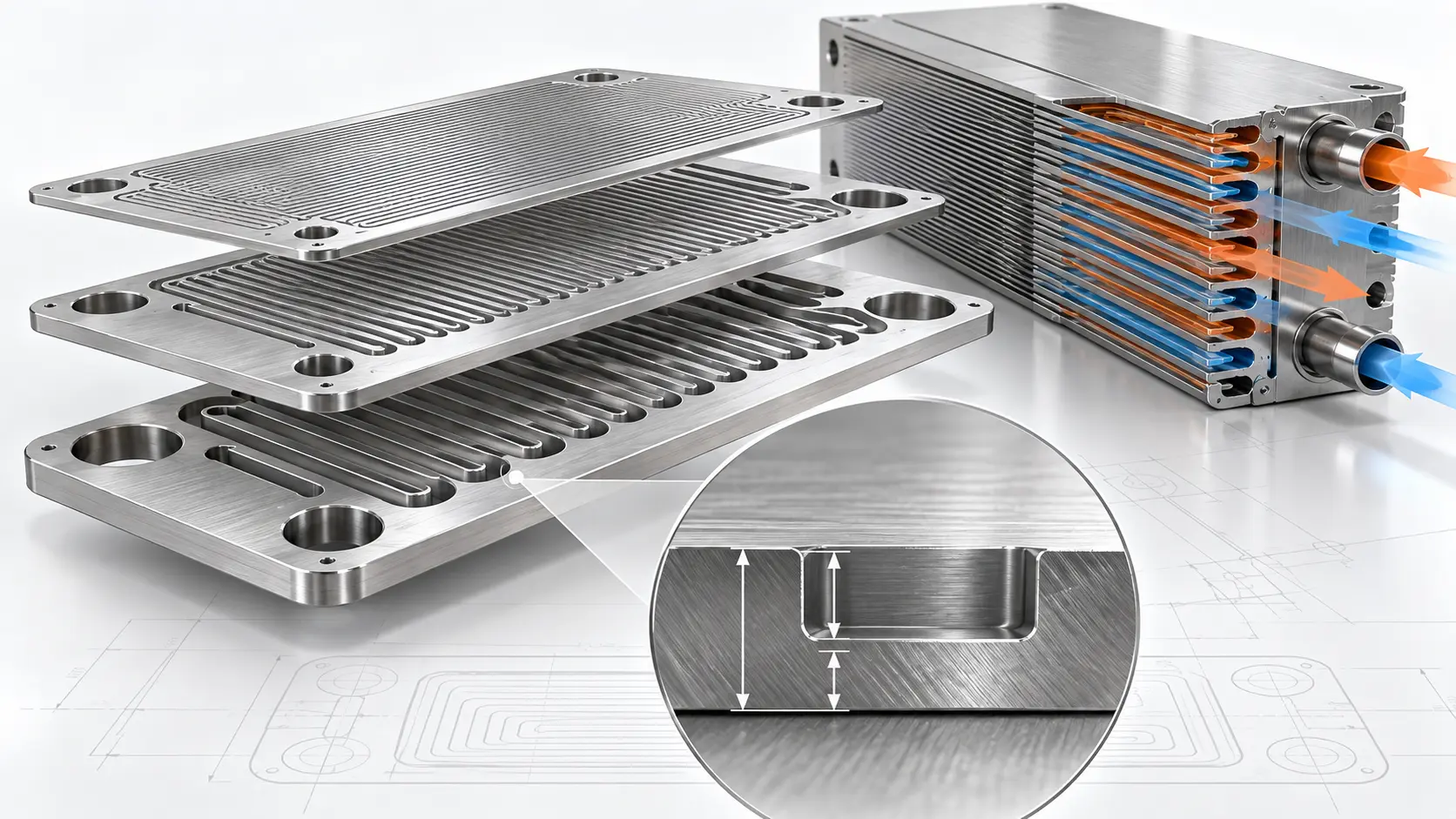
| Energy and fuel cells | Bipolar plates, flow-field components and precision screens | Controlled fluid paths and corrosion-resistant materials | Creates complex channels and openings in thin metal |
| Decorative and model products | Nameplates, ornaments, badges and model parts | Fine visual detail and flexible customization | Uses digital tooling that can be changed without new stamping dies |
The process is not selected by industry name alone. Material, thickness, feature size, tolerance, production quantity and final part geometry must still be reviewed for each project.
Aerospace Applications
Aerospace systems require lightweight metal components that can maintain reliable dimensions during assembly and operation. Photochemical etching is useful for thin, flat parts because it removes metal without cutting pressure or a heat-affected zone.
Typical aerospace applications include:
- Fuel filters and precision screens: Repeated openings help control particles in fuel, hydraulic and ventilation systems.
- Shims and spacers: Accurate profiles support alignment, spacing and tolerance adjustment between assemblies.
- Sensor components: Fine slots, apertures and conductive patterns can support pressure, temperature and position-sensing systems.
- Antenna and RF meshes: Controlled patterns can support communication, shielding and signal-management functions.
- Lightweight brackets and flat structural elements: Complex outlines can be produced without mechanical deformation of thin material.
The required temperature resistance, corrosion resistance and mechanical strength come mainly from the selected alloy and final component design. These requirements should be reviewed separately from the etching process itself.
Medical Device Applications

Photochemical etching is used for thin, flat medical components and for flat blanks that will later be formed, assembled or finished. The non-contact process can create small features without mechanical burrs or cutting pressure.
Typical medical applications include:
- Micro-scalpels and flat cutting components: Etching can produce fine profiles before any required sharpening or finishing process.
- Filter meshes and screens: Controlled openings can support fluid, air or particle-management functions.
- Stent and implantable-device blanks: Flat patterns may be etched before forming, joining and final validation.
- Sensor apertures and diagnostic components: Fine holes and complex profiles can support compact sensing systems.
- Guidewire and micro-tool components: Etching can produce selected flat parts used within minimally invasive instruments.
Chemical etching alone does not determine whether a component is suitable for medical use. Material grade, biocompatibility, surface treatment, cleaning, traceability and regulatory validation must also be considered.
Electronics & Semiconductor Applications
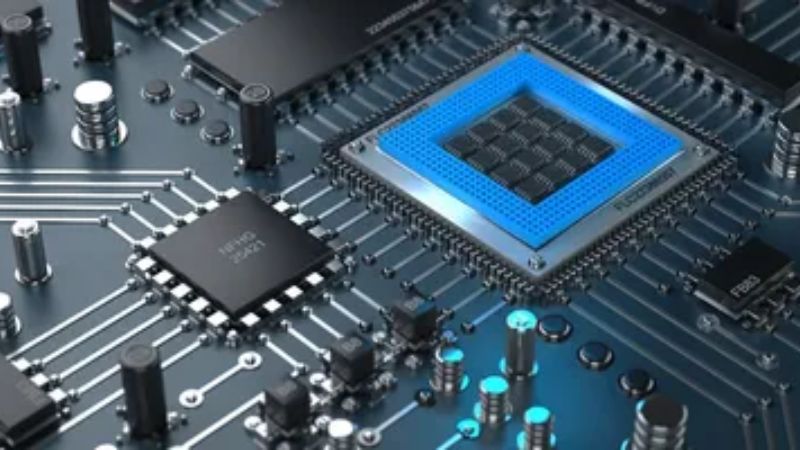
Electronics manufacturers use chemical etching to produce thin metal components with fine conductive features, repeated openings and complex profiles. Digital photo tooling also makes it easier to modify a design during product development.
Common etched components include:
- Lead frames: Fine leads and package outlines connect semiconductor devices to external circuits.
- EMI/RFI shields: Custom openings, tabs and profiles help control electromagnetic interference while fitting compact electronic assemblies.
- Electrical contacts: Copper and copper-alloy parts can combine conductive paths, spring features and mounting details.
- Vapor chamber components: Etched copper sheets, channels and wick-related structures can support heat spreading in compact devices.
- Photomasks and precision apertures: Repeated openings can support optical, imaging and semiconductor-related processes.
Chemical etching is especially useful when a sheet contains many small components or when the design may change before mass production. Material conductivity, spring performance, surface treatment and final assembly requirements should be reviewed during DFM.
Automotive Applications
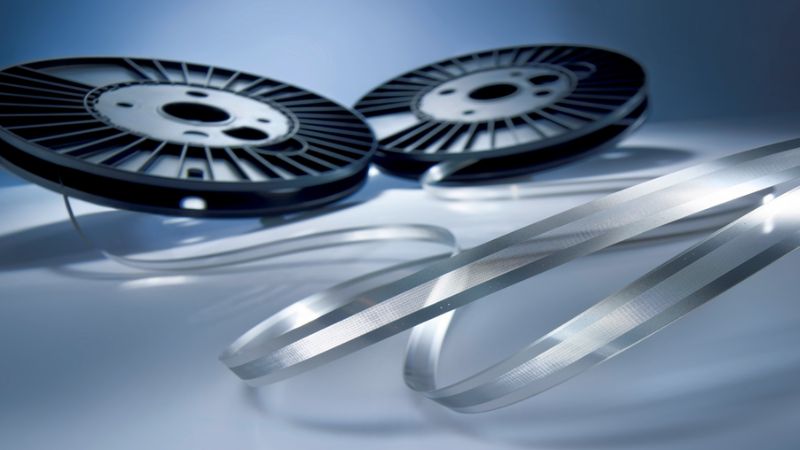
Automotive systems use many thin metal parts for filtration, electrical connection, spacing and thermal management. Chemical etching can produce complex profiles without mechanical burrs and can support design changes during vehicle development.
Typical automotive applications include:
- Injector and fluid-system filters: Repeated openings help control particles and protect downstream components.
- Precision washers and shims: Thin parts support alignment, spacing and tolerance adjustment.
- Battery and electrical contacts: Copper and copper-alloy components can combine conductive and mechanical features.
- Thermal-management plates and fins: Thin metal patterns can support heat transfer in electronic and power systems.
- Sensor and shielding components: Custom apertures, covers and conductive profiles support compact vehicle electronics.
Etching is most suitable for thin, flat parts with complex patterns. Thick brackets, deep three-dimensional parts and very simple high-volume components may be better suited to machining, forming or stamping.
Industrial Equipment Applications
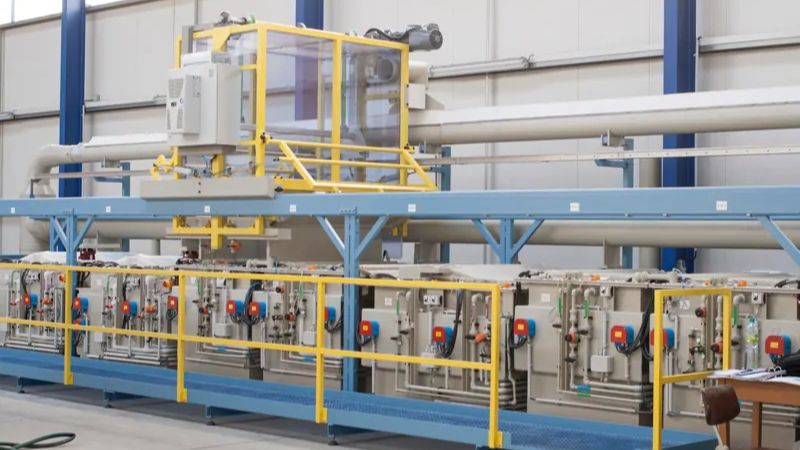
Industrial automation and precision machinery require components that can repeat the same motion, position or electrical function over many operating cycles. Photochemical etching can produce detailed flat parts without introducing mechanical stress during cutting.
Common applications include:
- Encoder discs: Repeated slots, coded tracks and alignment features support optical position and motion measurement.
- Flat gears and micro-mechanical parts: Complex two-dimensional profiles can be produced without conventional cutting tools.
- Flat springs and spring contacts: Copper alloys and other spring materials can be patterned into conductive and flexible components.
- Micro connectors: Fine contact patterns and mounting details support compact electrical assemblies.
- Precision apertures and optical masks: Controlled openings help manage light, positioning and measurement.
- Calibration shims and spacers: Thin parts support machine alignment and dimensional adjustment.
The final performance of a spring, gear or connector depends on more than its etched outline. Material temper, grain direction, forming, heat treatment, plating and operating load should also be included in the engineering review.
Decorative & Architectural Applications
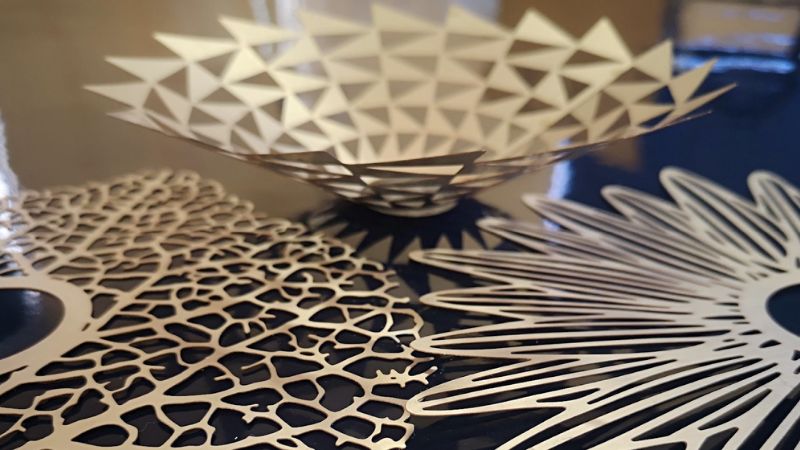
Chemical etching can produce fine patterns, text and custom profiles without requiring a separate stamping die for every design. This makes the process useful for personalized products, small batches and designs that change frequently.
Typical applications include:
- Custom metal ornaments: Detailed shapes can be produced for seasonal, promotional and decorative products.
- Badges and medals: Through-etched profiles and partial-etch details can create visual depth and identification features.
- Nameplates and signs: Text, logos, serial numbers and surface recesses can be added to metal sheets.
- Photo-etched model parts: Thin components can reproduce grilles, railings, panels and other scale details.
- Decorative panels and grilles: Repeated patterns and custom openings can combine appearance with ventilation or protection.
Half-etched lines may also be used for markings, recessed details or planned bending locations. The achievable depth and edge profile depend on the material, thickness and process design.
Energy, Fuel Cell and Thermal Management Applications
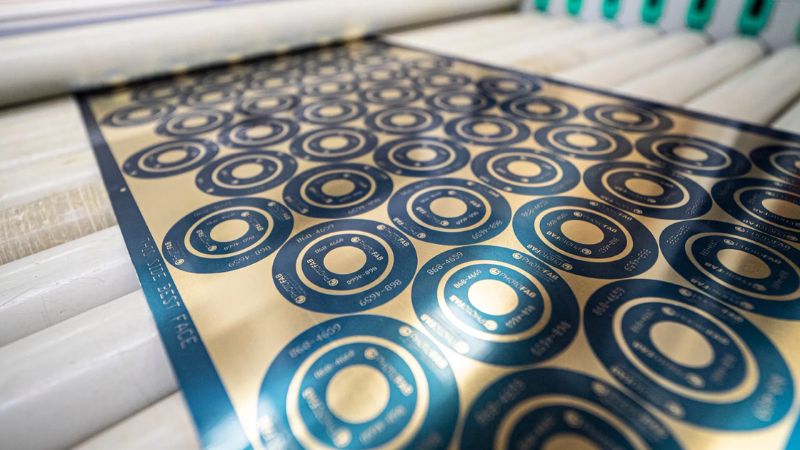
Energy systems use thin metal components to manage fluids, electrical current and heat. Chemical etching can create complex channels and repeated openings without mechanical cutting pressure.
Typical applications include:
- Fuel cell bipolar plates: Fuel cell bipolar plates distribute reactant gases, provide electrical conduction between cells, and contain flow channels that manage gas and coolant distribution inside fuel cell stacks.
- Precision filters and screens: Controlled openings support gas, liquid and particle management.
- Current collectors and conductive components: Thin metal patterns can support electrical connection and current distribution.
- Battery and thermal-management parts: Etched plates, contacts and flow structures can support compact energy systems.
- Solar and power-system connectors: Copper and copper-alloy parts can combine conductive paths with custom mounting features.
The final material must be selected for conductivity, corrosion resistance, mechanical strength and the operating environment. Flow-field depth, flatness, joining and surface treatment should also be reviewed before production.
Is Chemical Etching Suitable for Your Component?
An industry may use chemical etching, but that does not mean every component in that industry is suitable for the process. The best candidates are usually thin, flat metal parts with complex two-dimensional geometry, repeated openings or strict edge-quality requirements.
Before confirming the manufacturing method, provide the following project information:
- Metal type and material grade
- Material thickness
- Overall part dimensions
- Critical tolerances
- Minimum hole, slot and web dimensions
- Required flatness and edge profile
- Through-etched and half-etched features
- Prototype and production quantities
- Plating, forming, heat treatment or other secondary processes
- CAD files and a dimensioned drawing
- The component’s function and operating environment
A DFM review can identify features that may be affected by material thickness, lateral undercut or part layout. Engineers should also review photochemical etching tolerances and design limits before production. It can also determine whether chemical etching should be used alone or combined with forming, plating, laser cutting or another secondary process.
Why Industries Prefer Chemical Etching Over Other Manufacturing Methods
Chemical etching is 180 degrees different from cutting, stamping, or laser work. It uses controlled chemical reactions to remove metal. The process works without heat. Here are a few reasons why industries prefer this process.
Precision Without Physical Stress
In mechanical cutting, heat can change the shape of thin metals. This can cause warping or micro-cracks. Chemical etching removes metal without touching the part. There is no pressure, which means no distortion. The result is exact dimensions with the metal’s original strength intact.
Complexity at No Extra Tooling Cost
With stamping, complex shapes need new tools. This adds cost and time. In chemical etching, the “tool” is a photographic mask. To make a new design, you only change the mask pattern. This allows intricate shapes and fine details without buying hard tooling.
Consistency and Repeatability
In chemical etching, the process is controlled by certain times, temperatures, and chemical mixes. These can be held steady over long runs. This means the first part and the last part have the same shape and thickness. It eliminates the chances of changing the material thickness at the end.
Wide Material Compatibility
Traditional cutting methods struggle with hard alloys. Chemical etching can work with stainless steel, copper, brass, nickel, titanium, and more. Even very hard materials can be processed without cracks. This ensures clean removal without attacking protected areas. TMNetch has the capability to work with many different materials while maintaining high precision and quality.
Burr-Free, Clean Edges for Critical Applications
The chemical etching dissolves metal parts evenly. This leaves edges smooth and free of burrs. It means better performance and no need for extra deburring steps. You can work on large production without worrying about bubbles and burrs at the end.
TMNetch—Photochemical Etching Specialists in Metal Component Production
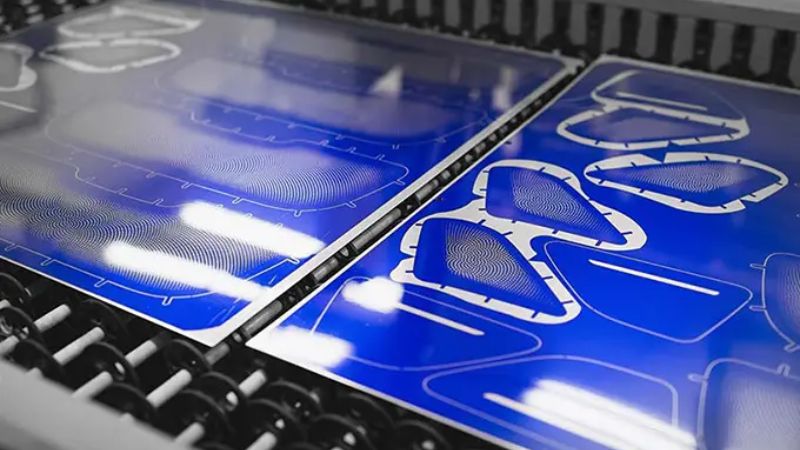
TMNetch manufactures custom etched metal components for electronics, automotive, medical, aerospace, industrial automation and energy applications. Its 4,000 m² manufacturing facility includes five 39-meter automated etching lines that support projects from rapid prototyping to production.
The engineering team reviews material, thickness, tolerances, minimum features and secondary-process requirements before production. This review helps identify potential undercut, edge-profile, flatness and assembly risks before the design moves into volume manufacturing.
Project-specific tolerances, thickness limits and lead times should be confirmed through a drawing review rather than applied as universal values.
Here is the detail about the brand’s material handling process along with their specifications.
| Material | Etching Precision Range | Typical Thickness Range | Surface Finish Quality | Key Applications |
| Brass | ±0.025 mm | 0.05 – 1.5 mm | Smooth, bright | Decorative panels, electrical connectors, gears |
| Stainless Steel | ±0.025 mm | 0.025 – 1.2 mm | Clean, corrosion-resistant | Filters, medical tools, aerospace parts |
| Copper | ±0.020 mm | 0.025 – 1.0 mm | High conductivity, clean edges | PCB parts, EMI/RFI shielding, fine electrical parts |
FAQs
How many types of etching are there?
There are two main types of etching: dry etching and wet etching. The wet etching uses liquid chemicals to remove metal. On the other hand, dry etching uses gases. Both can produce fine detail. However, the method depends on the design requirements.
What is the principle of etching?
The basic principle of etching is removing material from a surface. This process mostly uses chemicals and gases. A mask protects certain areas. While the exposed parts react, this controlled removal creates patterns without affecting the metal’s structure.
What is the difference between AC and DC etching?
The AC etching uses alternating current and gives a cleaner surface with less burr and oxidation. On the other hand, the DC etching uses direct current, which gives deeper, faster cuts. The selection of one among them depends on material behavior.
Final Thoughts
To sum up, chemical etching applications cover a wide range of industries. Companies requiring precision thin metal components can explore TMNetch’s chemical etching services for prototype and production requirements. The process allows engineers to create complex shapes. It works on many materials, such as stainless steel, copper, and brass.
However, the chemical etching application process demands care. A small error in timing, temperature, or chemical strength can ruin the pattern or damage the part.
Following the correct steps, using the right tools, and wearing proper safety gear. So, it is best to follow safety rules and proven techniques to make sure your project is accurate and safe.