
Quick Takeaways
- Six common metal gasket designs cover very different pressure and temperature ranges — from flat gaskets (moderate pressure) up to ring joint gaskets (20,000+ PSI).
- Match gasket type to pressure, temperature, and chemical exposure first; material selection comes after that.
- Photochemical etching is well suited to flat, thin, custom-shaped metal gaskets (0.01–3.0mm thickness) — not to wound, jacketed, or machined-groove designs like RTJ or Kammprofile.
- TMNetch etches custom flat gaskets to ±0.03mm tolerance, with prototypes available in as fast as 6 hours.
A leak between two metal surfaces can mean equipment failure, unplanned downtime, or a safety hazard — which is exactly what metal gaskets are built to prevent. But picking the wrong type for the application causes its own problems: a gasket rated for low-pressure water won’t survive a high-pressure steam line, and a gasket built for low-temperature service can fail almost immediately once temperatures climb. This guide walks through six common metal gasket designs, what makes each one different, and — since not every type is manufactured the same way — which ones TMNetch can produce in-house via precision photochemical etching.
Types of Metal Gaskets
Metal gaskets are available in several structural forms, and each type is designed for different sealing conditions. The right choice depends on factors such as operating pressure, temperature, media, flange design, and required sealing performance.
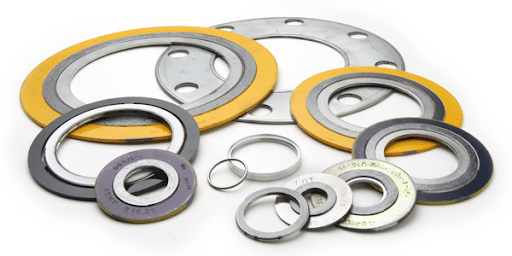
Common metal gasket types include flat metal gaskets, ring joint gaskets, spiral wound gaskets, Kammprofile gaskets, metal jacketed gaskets, and corrugated metal gaskets. Some are designed for high-pressure piping systems, while others are better suited to thin, custom, or complex sealing profiles. Understanding these differences helps engineers select the most suitable gasket structure and manufacturing method for a specific application.
Flat Gaskets
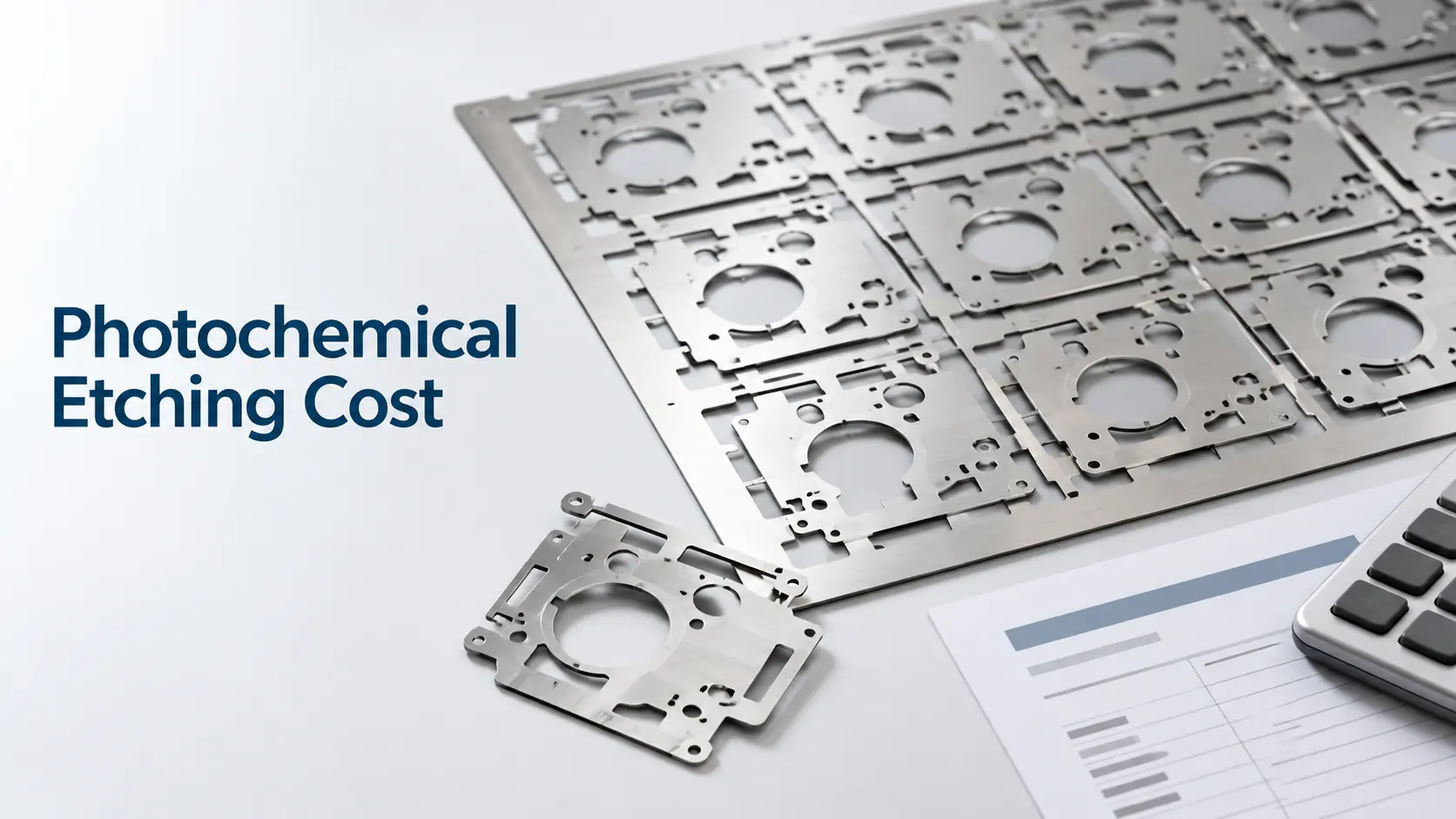
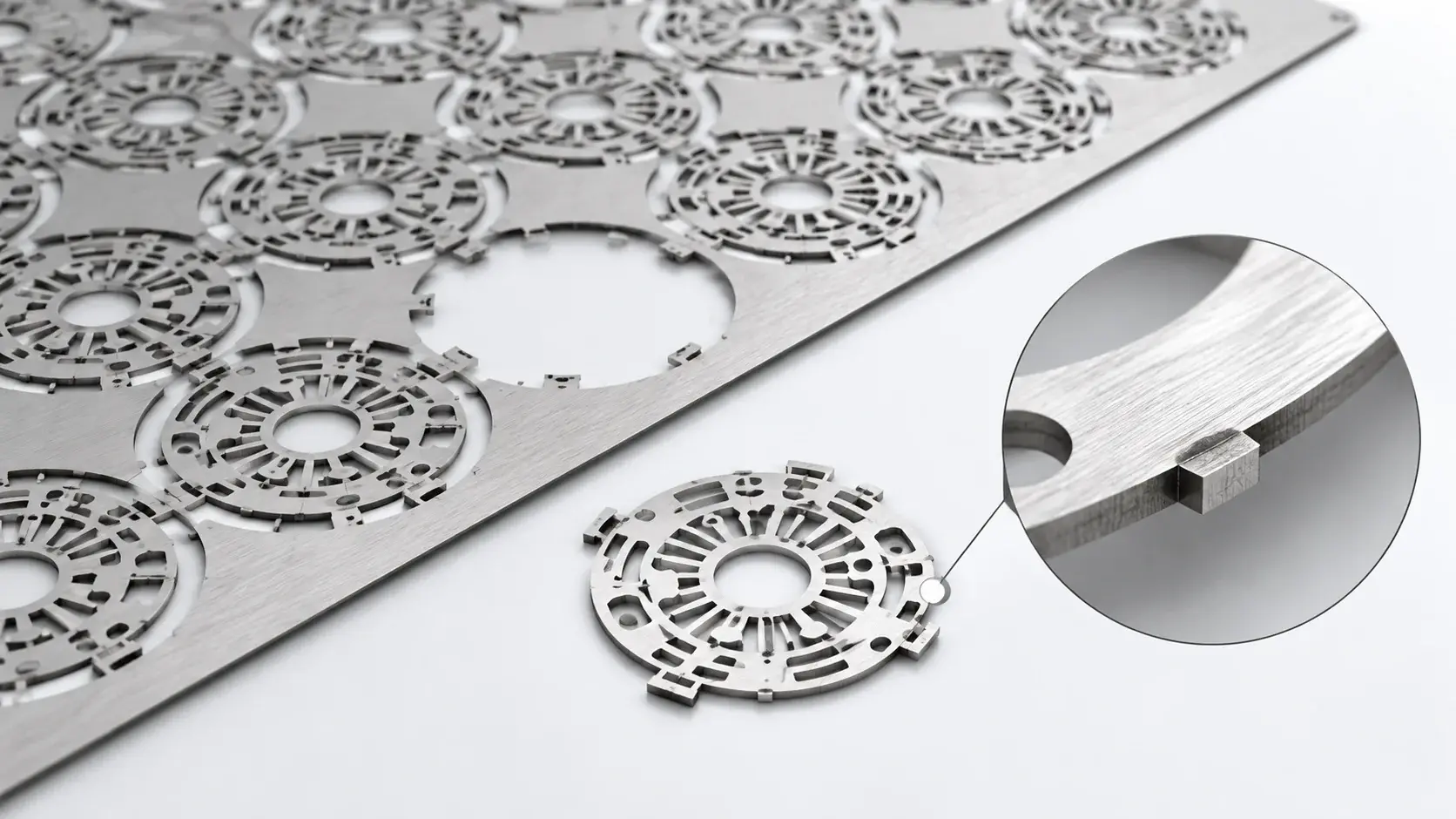
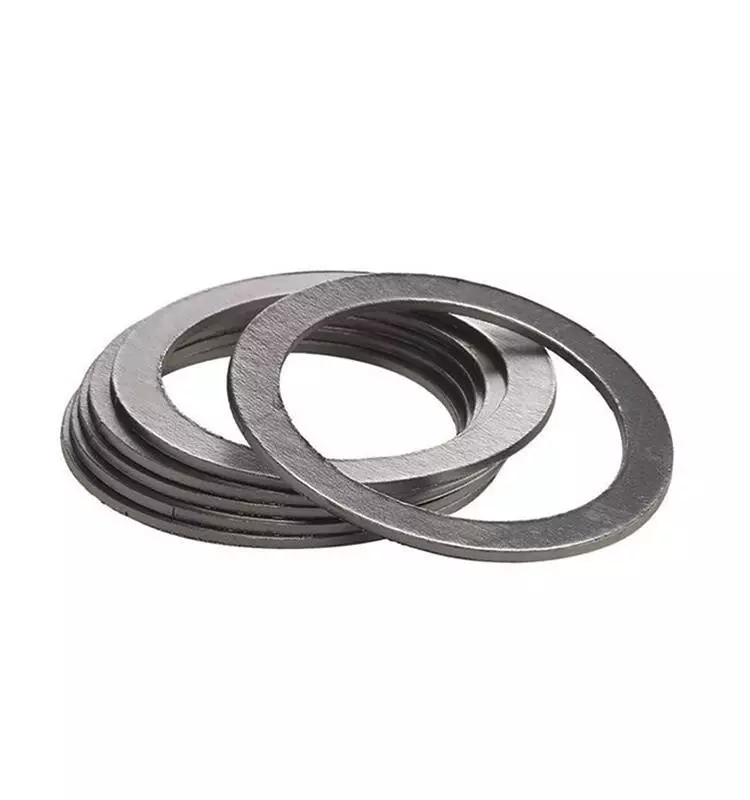
Flat gaskets are the simplest metal gasket design — a single flat sheet cut or stamped to shape. Thin versions with complex holes, slots, or irregular outlines are a natural fit for photochemical etching, which cuts pattern detail into the metal without introducing mechanical stress or burrs.TMNetch produces custom photo-etched flat gaskets in stainless steel, titanium, copper, nickel alloys, aluminum, and other alloys, with thicknesses from 0.01mm to 3.0mm and tolerances to ±0.03mm.
Applications:
Flat gaskets are commonly used in low- to moderate-pressure systems, general machinery, HVAC equipment, piping systems, automotive assemblies, and some electronic applications where thin metal parts provide sealing, spacing, grounding, or interface control.
Limitations:
Flat gaskets don’t perform well against a damaged or warped flange surface, and they can blow out or fail under high pressure. Temperature cycling can loosen the seal over time as well.
Ring Joint Gaskets
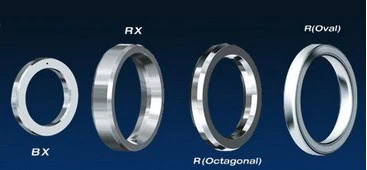
Ring joint gaskets (RTJ) use a solid metal ring seated inside a matching groove. Metal-to-metal contact is what creates the exceptionally tight seal — this is a machined design, not something produced by etching.
Types of Ring Joint Gaskets:
- Oval cross-section: Most commonly used design
- Octagonal cross-section: Has a higher pressure rating
- Round cross-section: For special applications
Applications
RTJ gaskets are built for extreme service — R and RX-style rings typically seal up to 5,000 PSI under API 6A, while BX-style rings used with high-pressure API 6A wellhead flanges can reach pressures above 20,000 PSI. That’s why the oil and gas industry favors them for wellhead equipment and high-pressure pipelines.
Spiral Wound Gaskets
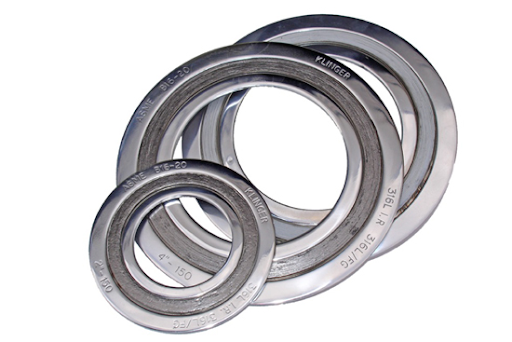
Spiral wound gaskets are constructed with metal and filler material in layers that alternate with one another. Their structure features a V-shaped metal strip that has spiraled, soft filler material that alternates between layers. This results in a structure that combines strength and flexibility.
Advantages:
Spiral wound gaskets recover from the effects of compression better than flat gaskets. Among metal gasket types, spiral gaskets can handle thermal cycling and flange movement while still providing an effective seal. The design performs from cryogenic temperatures and through ranges achieving 1000 °C (1832°F), which offers flexibility.
Common Uses:
Chemical processing plants use spiral wound gaskets. Power generation facilities utilize spiral wound gaskets, and also in boiler and turbine equipment, where metal gasket types are used for critical piping applications. This design is suitable for both raised-face and flat-face flanges.
Kammprofile Gaskets
Kammprofile gaskets (sometimes called grooved metal gaskets) use a solid metal core machined with fine serrations, faced on one or both sides with a soft covering layer — usually graphite or PTFE. The serrations bite into the facing material under load, which gives this design its grip and recovery.
Applications
Kammprofile is often considered the most durable design among common metal gasket types, and its grooved profile also improves heat transfer across the joint. Pressure vessels and heat exchangers rely on Kammprofile gaskets for long-term sealing reliability, including in acidic or basic chemical environments.
Limitations:
Because the core is machined rather than stamped or etched, Kammprofile gaskets typically cost more and take longer to produce than flat or corrugated designs. They also need a properly finished flange surface to seat correctly — an already-damaged flange can undermine the seal regardless of gasket quality.
Metal Jacketed Gaskets
Metal jacketed gaskets consist of a soft filler core encased in thin metal sheeting. The metal jacket shields the filler from chemical exposure.
The metal jacket styles are:
- Single-jacket: Metal covering one side
- Double-jacket: Metal covering both sides
- Corrugated jacket: Adds flexibility
Applications
Metal jacket gaskets are ideal when working with rough or damaged flat surfaces where the gasket interfaces with the system. The soft filler core will yield to fill the void left by imperfections, while the metal jacket provides mechanical strength and durability. Common applications for jacketed gaskets are steam systems, heat exchangers, valve bonnets, etc.
Limitations:
The filler core still limits maximum operating pressure compared to solid designs like RTJ, and jacket seams can become a leak path if the gasket isn’t installed with even, correct bolt torque.
Corrugated Metal Gaskets
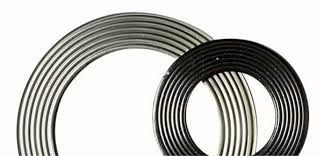
Corrugated metal gaskets are flat metal sheets stamped into a wavy profile. The corrugations add flexibility and help the gasket conform to the mating surface under load.
Here are the types of corrugated metal gaskets:
- Single corrugated: One wavy metal layer
- Double corrugated: Two layers with the corrugations not aligned with one another
- Filled corrugated: Soft material positioned between two corrugated metal layers
Applications:
Corrugated metal is a very common design utilized in exhaust systems as it provides flexibility and thermal resistance for the conveyance of a hot gas. The thermal conductivity advantages also transfer to heat exchangers and industrial applications, where conformity to mating sections is critical for maintaining integrity. Corrugated gaskets are the preferred application in the automotive and aerospace industries, where weight and internal space are considerations.
How to Choose the Right Metal Gasket Type
Here are some factors you should consider when choosing between various metal gasket types:
Pressure:
- Low pressure (below 150 PSI): Flat or corrugated gaskets will likely work well enough.
- Medium pressure (150-600 PSI): Spiral wound or Kammprofile gaskets offer better performance. High pressure (above 600 PSI): A ring joint gasket is necessary.
- Extreme pressure (above 10,000 PSI): A ring joint gasket is the only option that will seal reliably.
Temperature:
- Moderate (below 200°F): Most types of metal gaskets will work fine.
- High temperature (200-600°F): Spiral wound, Kammprofile, or metallic jacket gaskets.
- Extreme temperature (above 600°F): Spiral wound (with Inconel winding) or ring joint gaskets.
Chemical Exposure:
In corrosive environments, consider 316L stainless steel, Inconel, Monel, titanium, or another compatible alloy. The final choice depends on the fluid, temperature, pressure, galvanic conditions, and required service life. Use this metal gasket material selection guide to compare common options.
TMNetch Chemical Etching
TMNetch uses photochemical etching to produce thin, flat metal components directly from sheet material. Because the geometry is defined by photoresist and chemical removal rather than mechanical cutting, the process is well suited to flat gaskets with complex outlines, holes, slots, or repeated features.
For etched flat gaskets, material thickness, minimum hole size, slot width, spacing, edge geometry, and dimensional accuracy should be evaluated together. Engineers should review the applicable photochemical etching tolerances and design limits before finalizing the gasket drawing.
If your gasket also needs forming, plating, polishing, cleaning, or inspection, TMNetch’s one-stop chemical etching services cover the full process before you submit your drawing package.
FAQs About Metal Gasket Types
What is a metallic gasket?
Metal gaskets are made from materials like stainless steel, copper, aluminum, and other specialized alloys. Compared to rubber or fiber gaskets, they hold up to much higher temperatures and pressures.
When to use a metal gasket?
Metal gaskets generally make sense once operating temperatures exceed roughly 200°F, or pressure exceeds 150 PSI. They’re also the right call in corrosive chemical environments where non-metal materials would degrade.
What is the difference between 304 and 316 gaskets?
304 stainless steel gaskets resist general corrosion well and can operate at high temperatures. 316 stainless steel gaskets add molybdenum, which improves resistance to chlorides, acids, saltwater, and other aggressive environments. Marine and chemical process applications typically call for 316, while 304 covers most general industrial use.
What are the three types of head gaskets?
Head gaskets generally fall into three categories: solid metal (copper or stainless steel) gaskets with no layers, multi-layer steel (MLS) gaskets built from several thin steel layers, and composite gaskets that combine metal with non-metal materials.
Can TMNetch manufacture all six gasket types shown here?
No. TMNetch specializes in photochemical etching, which is best suited to flat and other thin, custom-shaped metal gaskets. Ring joint, spiral wound, Kammprofile, and metal jacketed designs use different manufacturing processes — machining, winding, or forming — that fall outside etching’s scope.
Conclusion
When selecting a metal gasket, weigh its structure, material, pressure and temperature rating, fluid compatibility, flange condition, and required service life together — no single factor decides it alone.
If your project calls for a thin, custom flat gasket, send your drawing and operating requirements to TMNetch for a manufacturing review. TMNetch produces precision metal gaskets by photochemical etching to tolerances of ±0.03mm and thicknesses from 0.01–3.0mm.