
To ensure fuel cells can be made more efficient and repeated many times, their performance depends greatly on how well their bipolar plates are made. OG cells rely on thin metal sheets to manage and move gases and to support cooling. Creating organic beauty products isn’t always easy for one particular reason. Welding. When you make a mistake on a weld, it can cause the machine to run less efficiently.
Lets discuss the Welding Process for Fuel Cell Bipolar Plates.
What Do We Mean by Fuel Cell Bipolar Plates?
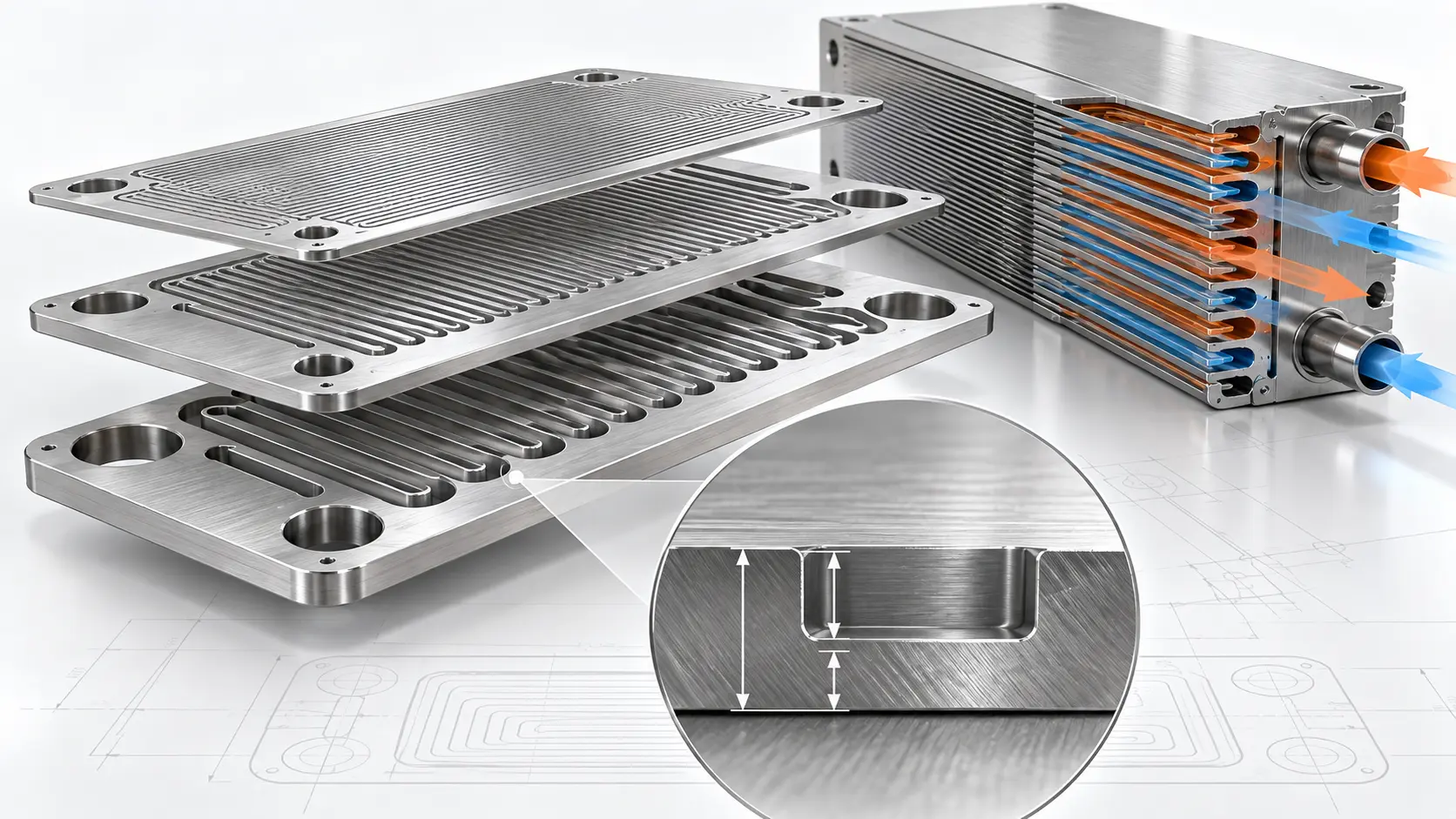
The roles of bipolar plates in a fuel cell are like those of middle managers. They:
- Separate the individual cells.
- Distribute gases (hydrogen and oxygen).
- Conduct electricity.
- Manage heat via built-in cooling channels.
That’s right, they handle a lot. So it is especially important to correctly design and build these parts, with correct welding being very significant.
Understanding Bipolar Plates
Function in the Fuel Cell Stack
All fuel cells are built with an anode, a cathode, and an electrolyte membrane. Bipolar plates:
- Link one cell to the next.
- Collect and conduct current.
- Provide mechanical support.
So, imagine them as thin, durable, and flexible as layers in a high-tech sandwich.
Materials Commonly Used
Steel is the most used material in bipolar plates, and SS316L is popular for this purpose. Why?
- It’s corrosion-resistant.
- Thanks to its low amount of carbon, it is easy to weld.
- Its mechanical design is unique and strong.
It’s time to explore the issues that come with welding them.
Challenges in welding bipolar plates
Ultra-Thin Thickness
Usually, these thin plates are only about a millimeter thick. It’s like you’re trying to press two pieces of foil together so tight that nothing comes loose
Problems Caused by Metal Degradation
When you cook too fast or at too high a temperature, you:
- It weakens the plate.
- When immersed in water, the alloy’s resistance to corrosion weakens.
- Your material’s structure is altered without your consent.
Residual Stresses and Distortion
Plates that bend because of stress may now fit very tightly together.
Closed Heat-Affected Zone (HAZ)
It’s preferable to have a tight HAZ, but if welding lasts too long or isn’t focused enough, it may result in:
- Cracking.
- Brittle zones.
- Increased oxidation.
Plate Fabrication Depends on Welding
Why don’t you simply glue them or bolt them instead? Because:
- Welding joined pieces are both gas-tight and have strong support.
- At scale, it is both quicker and more dependable.
- It has cooling channels built into it.
Most common techniques:
- Laser welding
- Resistance welding
- Ultrasonic welding
Laser welding is in the lead for good reasons, as you will see.
Ways of Welding Process for Fuel Cell Bipolar Plates
Traditional Techniques
When it comes to delicate or narrow designs, resistance welding and ultrasonic welding aren’t the most dependable options. They often:
- Problems with staying consistent.
- Lead to greater levels of residual stress.
- Using Solid-State Fiber Technology for Welding
We’re on the same page! This method:
- Gives precise results.
- Uses low amounts of heat.
- Makes the whole thing move forward at a much faster pace.
Solid-State Fiber Lasers: The Game Changer
When something needs a small beam, solid-state fiber lasers with compact diameters excel. They allow:
- Very narrow welds are desired for this material.
- Not a lot of heat damage.
- High repeatability.
Ytterbium Fiber Lasers
What single-mode ytterbium fiber lasers excel at is truly impressive.
- They’re efficient.
- The main advantage is that they can work with fine detail (0.1 to 1mm plates).
- They result in neat and deep welds with only a little risk of spatter.
- They have performed well in welding SS316L for bipolar plates—no problems, high performance level.

The Use of Metal Welding in Fuel Cell Applications
Why SS316L?
Stainless steel is built to be welded with ease.
- Low carbon makes it so that the carbides are reduced.
- Intergranular corrosion is effectively resisted by titanium.
- Strong also after the steel has been welded.
Role of Chromium
Protecting steel from rust relies on chromium, which is the magic element. But:
- It can form carbides if overheated.
- That reduces corrosion resistance.
- A proper welding process maintains chromium levels where you need them—in the steel, not as flaky carbides.
Avoiding Common Welding Failures
Porosity
Gas pockets in the weld = major weakness. Avoid it by:
- Using clean materials.
- Controlling shielding gases.
Cracking
Thin plates + uneven cooling = cracking disaster. Laser welding helps by reducing thermal gradients.
Deformation
Welding can warp your plates like overcooked bacon. The solution?
- Fast welding speeds.
- Narrow beams.
- Proper fixturing.
Best Practices for Welding Bipolar Plates
- Reliable high-speed laser welding can minimize the heat generated.
- Before you clean, make sure everything is wiped clean.
- Prop and clamp thin plates so that they are less likely to warp while you work.
- Optimize beam focus and speed.
New Technologies in Welding
New technology using automation and machine learning is coming into chat rooms. New systems:
- Adjust parameters in real-time.
- Discover issues as you are working along.
- Boost production efficiency without sacrificing quality
Environmental and Economic Benefits
Laser welding not only uses modern technology, but it’s also good for the environment.
- Uses less energy.
- Produces minimal waste.
- Cuts down rework and scrap costs.
- Faster cycle times = more cells per hour = lower cost per watt.
Conclusion
Just because they are slim doesn’t mean it’s easy to weld fuel cell bipolar plates. Using great materials (we pick SS316L) and modern lasers (Yb fiber) plays a big role in what we do. Properly welded fuel cells remain both tough and efficient. As the trend toward clean energy grows, it makes sense that we are welded together, one plate at a time.
FAQs
What is the best laser type for bipolar plate welding?
Single-mode ytterbium fiber lasers are considered best for welding thin metal bipolar plates due to their narrow beam, deep penetration, and low heat input.
Why is SS316L preferred over other steels?
Because of its low carbon content , excellent weldability, and high corrosion resistance—especially important in fuel cell environments.
Can welding affect fuel cell efficiency?
Yes! Poor welding can lead to gas leaks, corrosion, and electrical resistance, all of which can drag down efficiency.
How do manufacturers avoid weld distortion?
By using high-speed laser welding , supporting the plates properly, and minimizing heat input with narrow beams.
Are there alternatives to welding for bipolar plates?
Some research explores adhesive bonding or mechanical joining , but welding remains the gold standard for durability and performance.