
Metal mesh filters are long-lasting parts that allow air, liquid, or gas to pass through but keep unwanted particles out. They can be in kitchen exhaust systems, HVAC equipment, industrial equipment, and common household appliances. As time passes, these filters will naturally clog, decreasing their efficiency. Most of us wait until airflow decreases significantly before cleaning, making the process more difficult since buildup becomes thicker in layers. Regular care avoids this issue, which costs money and saves equipment. Knowing how to clean metal mesh filter effectively saves money and keeps equipment in good condition.
What is Metal Mesh Filter?
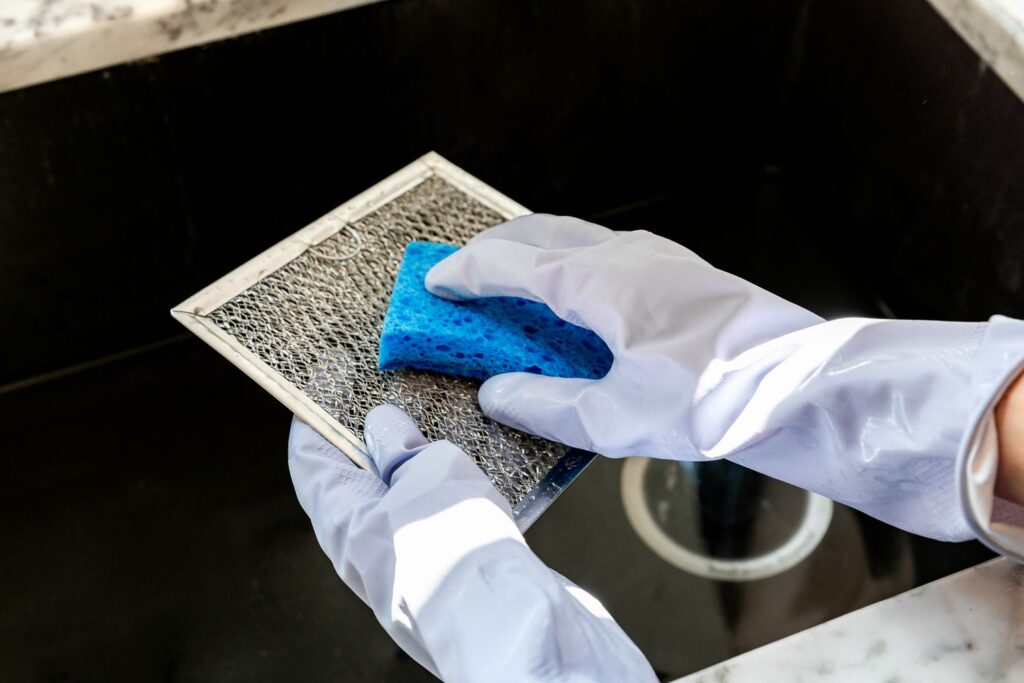
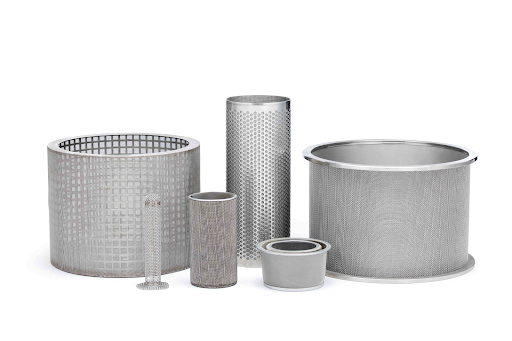
Metal mesh filters are made of metal wires that are etched or woven together in a pattern to form a series of screens.
Applications of Metal Mesh Filters
Because of their durability and reusability, metal mesh filters are used across HVAC, food processing, medical equipment, automotive systems, electronics, and industrial fluid handling. Different metal mesh filter applications require different combinations of aperture size, material, open area, pressure drop, cleanability, and corrosion resistance.
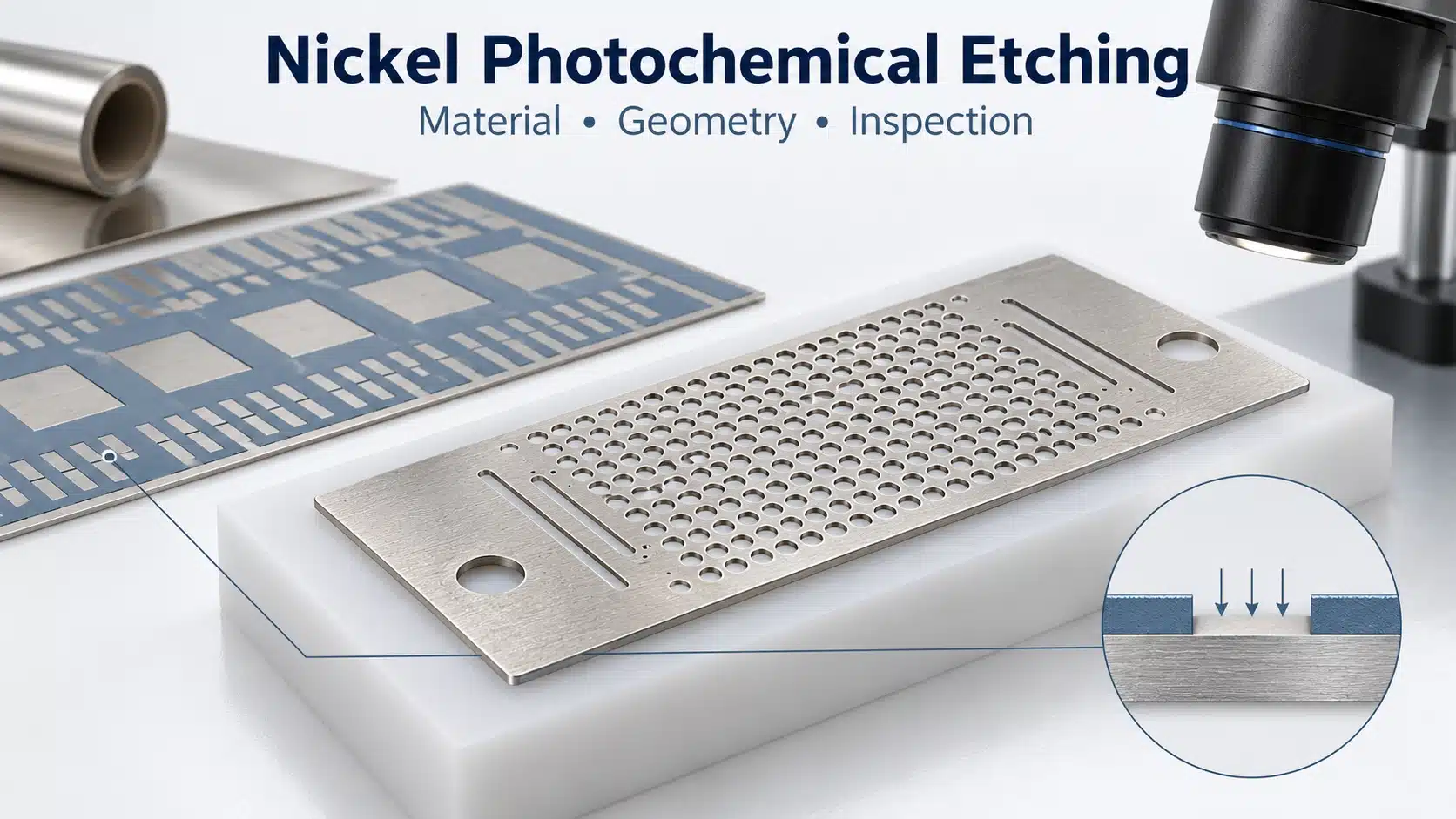
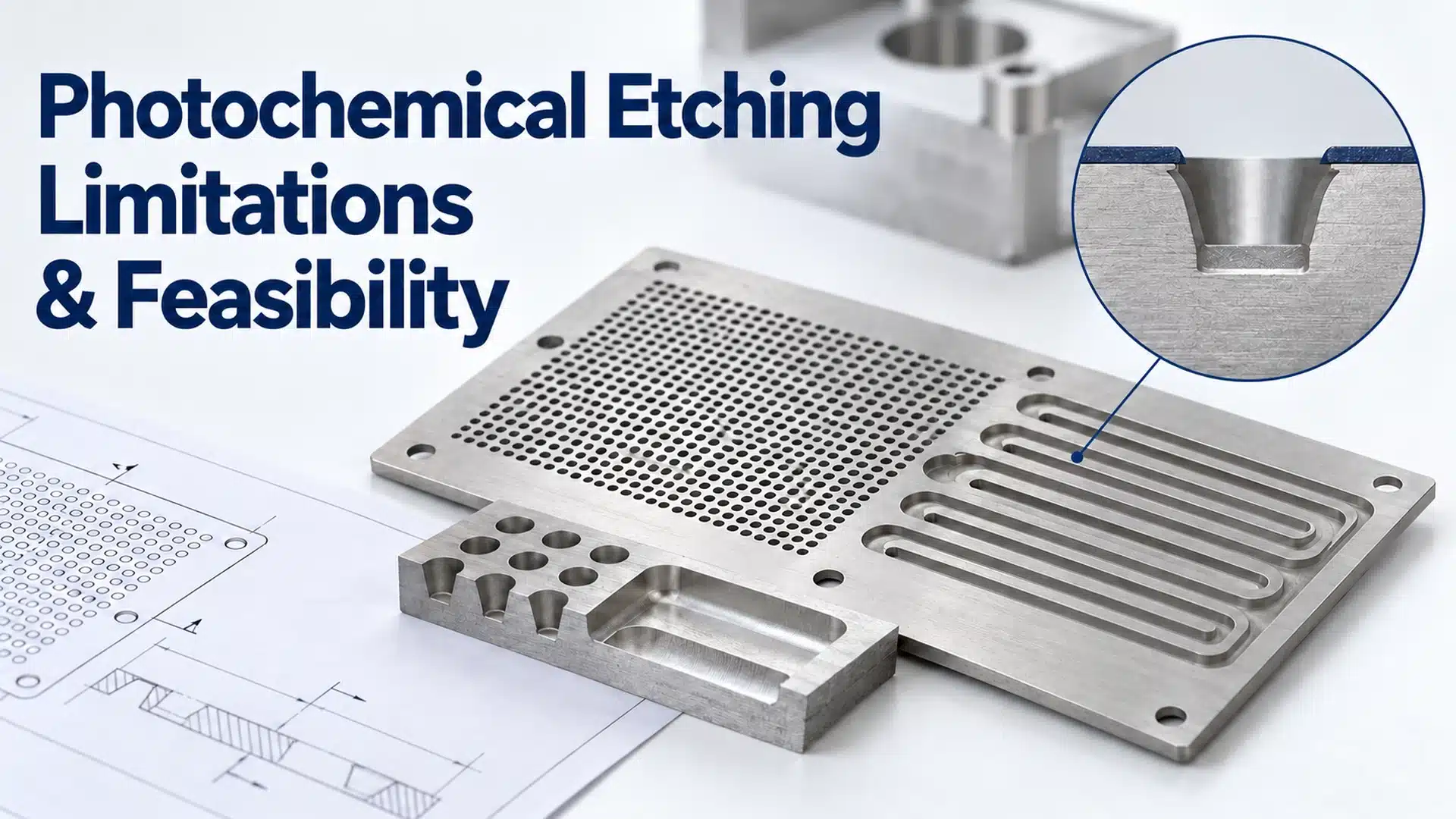
TMNetch manufactures custom etched mesh using photochemical etching, which can create repeated apertures and complex patterns without mechanical punching forces. Engineers evaluating custom designs can compare the available metal mesh filter specifications before determining whether a standard or custom filter is required.
Materials You’ll Need To Clean Metal Mesh Filter
- Sink or large basin
- Warm water
- Mild dish soap or a degreaser
- Baking soda (optional, for tougher grease)
- Soft brush (like a toothbrush) or sponge
- Microfiber cloth or tea towel
How To Clean Metal Mesh Filter?
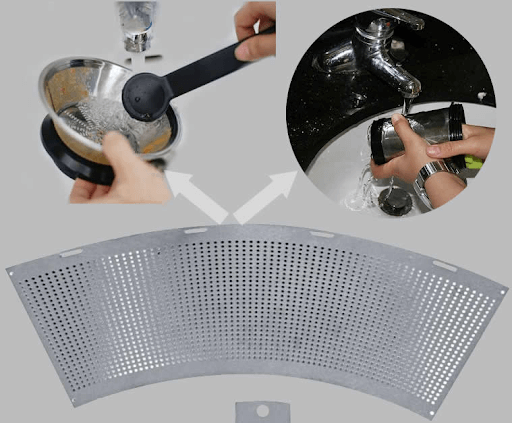
If your filter has become dusty, greasy, or clogged, this is the stepwise procedure for cleaning it. The following steps explain how to clean metal mesh filter:
Safety & Preparation
- Switch off and isolate the facility.
- Use gloves and safety glasses. Filters are typically laden with harsh residues.
- Take a self-picture of the fitted filter for an assured correct installation later.
Clean Lightly
First, soak the filter in warm, soapy water for 15-20 minutes. With a soft nylon brush, scrub lightly. Ensure that the runoff is completely soap-free.
Heavy Cleaning
Use alkaline degreaser for heavy grease (pH ~12). Food facilities require food-grade chemicals.
Soak them longer for hard deposits, or use ultrasonic cleaning to get the mesh intersections cleaned up. Rinse thoroughly and re-treat as necessary. Air dry completely because moisture within will cause corrosion.
Dishwasher Method (if OEM-approved)
Place the filter into the rack properly. Go for the hottest wash cycle with a detergent for grease removal.
Industrial Methods
- Pressure washing: High-pressure water can remove deposits from robust metal filters, but the allowable cleaning pressure depends on material thickness, aperture geometry, frame support, and mesh construction. Very fine mesh sizes and apertures may require gentler cleaning to avoid distortion or permanent dimensional changes.
- Thermal cleaning: Some heavy industries employ burn-off ovens or specialized cleaning facilities only under controlled conditions.
Last Steps
- Bone dry the filter before reinstallation by replacing it.
- Replace the filter back the way it was and provide a good seal.
Importance of Cleaning Metal Mesh Filters
Here are the reasons it’s important to clean the metal mesh filter:
- Preserves airflow and efficiency levels: Clogged filters limit airflow, causing motors and fans to labor harder and use more energy.
- Reduces fire risk: If grease in the cooker hood filters remains untreated, it can burn under intense heat, resulting in thousands of restaurant fires annually.
- Protects compliance and safety: Sanitized filters in food or healthcare facilities can prevent contamination and ensure compliance with stringent safety guidelines.
- Extends service life: Delays in cleaning lead to the hardening of deposits that penetrate deeper into the mesh. They become harder to clean and shorten the life span of the filter. Maintenance of these filters requires knowing how to clean metal mesh filter.
- Repels microbial growth: Water and organics in untreated filters act as breeding grounds for bacteria and mold.
A filter that is not routinely cleaned can wear equipment out, lead to higher maintenance costs, and pose safety risks in high-risk applications.
When to Replace a Metal Mesh Filter
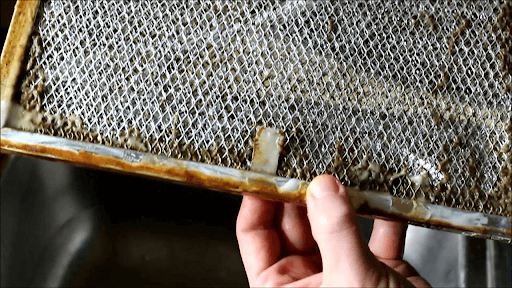
Even with proper maintenance, a filter eventually reaches the point where cleaning can no longer restore acceptable flow, pressure drop, structural condition, or filtration performance. When replacement is required, engineers should confirm the required metal mesh filter specifications, including aperture size, material, thickness, open area, overall dimensions, and frame design, rather than replacing the part based on external dimensions alone.
- Holes or tears in the mesh
- Bent or misshapen frame or mesh sections
- Odors that remain after proper cleaning and sanitizing
- Pressure drop readings are still high after a good cleaning
- Discoloration or staining indicates the presence of embedded contamination
If you are still evaluating the right filter type for your application, our comparison of baffle filters and mesh filters can help you make a more informed decision.
TMNetch Etched Metal Mesh Filters
TMNetch manufactures precision metal mesh filters using photochemical etching, a process that forms repeated holes, slots, and custom aperture patterns in thin metal sheets without mechanical punching.
- Rapid Prototyping: After you provide your design, TMNetch makes etching templates and can produce functional prototypes in 6 hours.
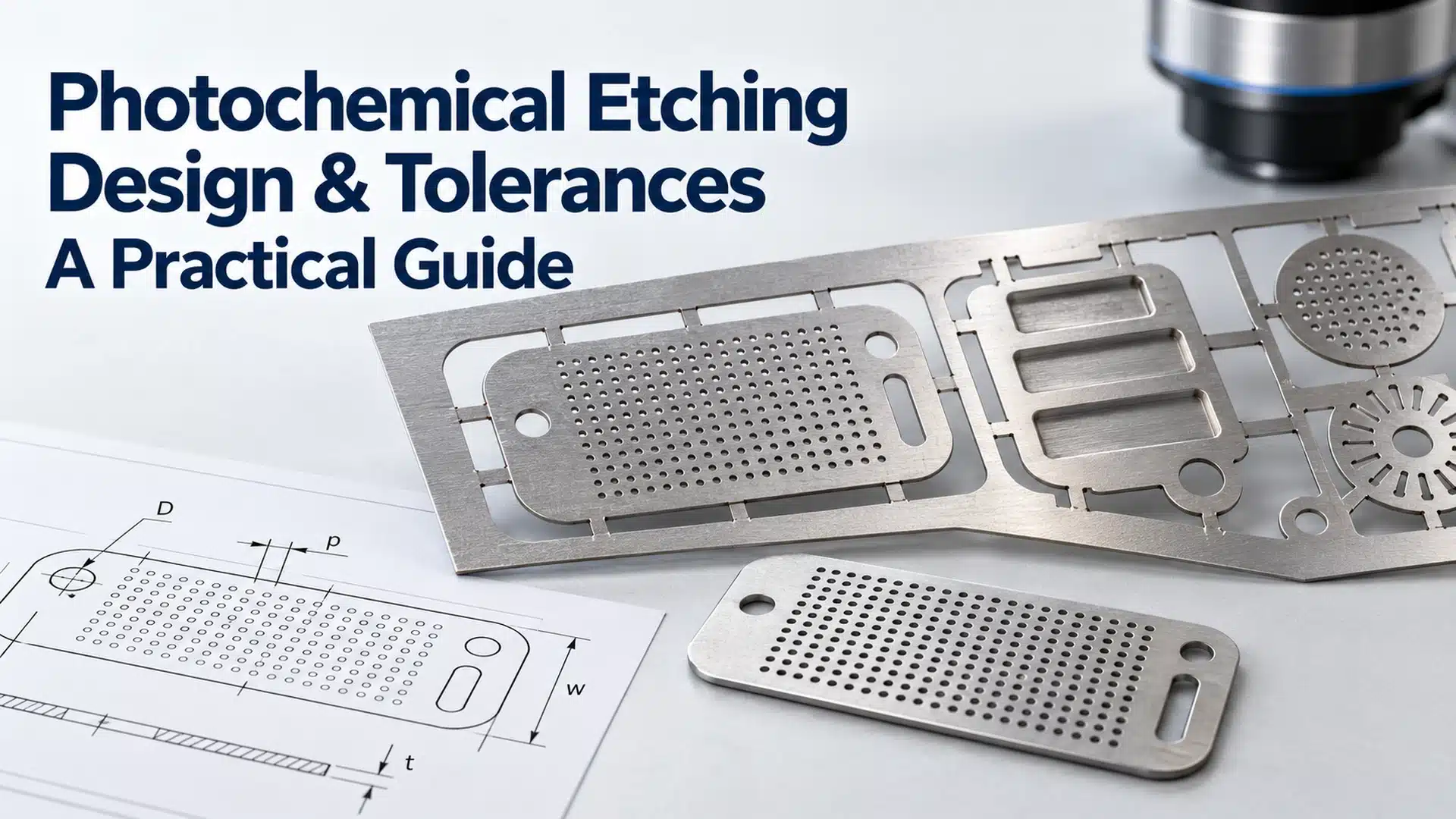
- Ultra-Fine Apertures: Fine filter openings require the aperture size, material thickness, spacing, pattern density, and dimensional requirements to be evaluated together. Engineers can review TMNetch’s photochemical etching tolerances and design limits before finalizing a filter drawing.
- Precision Filtration: Mesh count ranges from 10 to 400+, in multi-layer configurations ideal for the separation of fine particles, powders, or liquids.
- Material Flexibility: Stainless steel, aluminum, brass, molybdenum, titanium, nickel, and more to choose from.
- Wide Format Capability: Filters up to 1200 mm in width, or 3 mm in diameter.
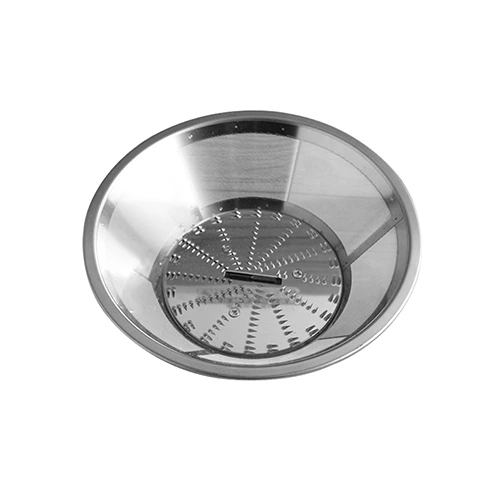
Each etched pattern has burr-free edges and smooth surfaces, which enable debris to rinse out, conserve time, and reduce maintenance. For juicer filters, air purifiers, or medical precision screens, TMNetch is designed for performance and dependability.
Browse TMNetch’s etched metal mesh products and experience precision at work, and order your custom solution today.
Frequently Asked Questions About Cleaning Metal Mesh Filters
How should you clean a metal mesh air filter?
Remove the filter, soak it in hot water with dish soap, then use a soft brush to clean it. Rinse and let it air dry. Basically, it is how you remove the buildup without damaging the mesh that affects how well air will flow.
How to clean a metal mesh cooker hood filter?
Soak in hot water with a degreaser and then scrub both sides. If the filter is stainless steel, it can be cleaned in the dishwasher. Grease builds up quickly in a hood, and fire hazards could easily arise, so monthly cleaning is strongly suggested if you want to enjoy clean and fresh air in the kitchen.
How to clean a metal mesh coffee filter?
Wash as soon as you use the filter to avoid coffee oil from hardening. To clean the mesh filter, soak it in a warm water and vinegar solution, then use a soft brush to clean it. This avoids a bitter taste from old residue.
How to clean a metal mesh cooker hood filter dishwasher?
Place the metal mesh cooker hood filter safely into the dishwasher. Then run the hottest cycle with degreasing detergent. Lastly, remove and air-dry fully before reinstallation.
Conclusion
Understanding how to clean a metal mesh filter helps preserve airflow, filtration performance, and service life. Cleaning methods should always match the filter material, aperture geometry, contamination type, and OEM requirements. If an existing filter can no longer meet the required pressure drop or retention performance, submit your metal mesh filter drawing for a manufacturing review with the material, thickness, aperture size, overall dimensions, operating conditions, and estimated quantity.