
Custom metal mesh filters are engineered filtration components designed around specific aperture sizes, open areas, materials, dimensions, and operating conditions. A custom metal mesh filter can be manufactured for applications involving airflow, liquid filtration, particle separation, equipment protection, and other OEM filtration requirements.
However, to avail all these benefits, it’s important to choose the right filter material size and fully focus on design tips. Read the blog to explore the process of making custom meal mesh filters, their application, and top suppliers.
Let’s explore the material the fabricators mostly use to make the custom metal mesh filters.
Materials Used in Custom Metal Mesh Filters
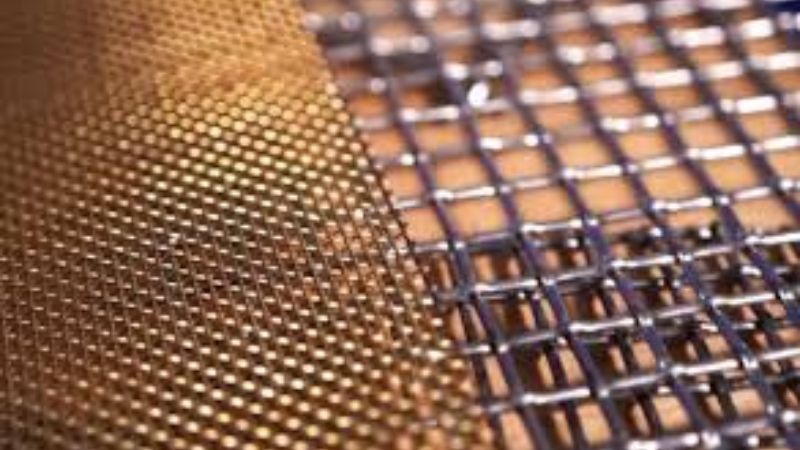
Material selection affects corrosion resistance, temperature capability, mechanical strength, weight, conductivity, and cost. Stainless steel, aluminum, copper, brass, nickel alloys, and other specialty metals can all be used depending on the application. Our metal mesh filter materials guide compares the main options and their typical selection criteria.
- Stainless Steel (304, 316, 321)
- Aluminum
- Brass
- Copper
- Specialty Alloys (Monel, Hastelloy, Inconel)
| Material | Key Properties | Best For | Cost |
| Stainless Steel 304 | Corrosion-resistant, strong | Chemicals, food, and general use | Medium |
| Stainless Steel 316 | Extra corrosion resistance | Marine, chemical, high humidity | High |
| Stainless Steel 321 | Heat resistant | High-temp processes | High |
| Aluminum | Lightweight, corrosion-resistant | Air, water, and low pressure | Low |
| Brass | Durable, easy to shape | Low-pressure fluids | Medium |
| Copper | Conductive, corrosion-resistant | Heat exchange, plumbing | Medium |
| Monel | Strong, corrosion-resistant | Acidic chemicals | High |
| Hastelloy | Extreme corrosion resistance | Chemicals, high temp | Very High |
| Inconel | Heat and corrosion resistant | High-temp industrial | Very High |
Once you know the properties of common materials, it’s very easy for you to choose the most cost-effective one for your project.
How to Do Custom Metal Mesh Filters? (Step-by-Step)
The process of making industrial filtration solutions needs planning, designing tips, and testing. Any negligence in any step can ruin your whole process. Here is the step-by-step guidance on how to make custom metal mesh filters.
Step no 1: Defining Filtration Needs and Performance Goals

The first step is to understand what your objective or goal is. Ask questions like, “What kind of liquid or gas will it filter?” How small are the particles you need to remove? What are the temperature and pressure of your system?
All these queries enable you to identify your goal to choose the right size, metal type, and material. A clear goal enables you to know your job better.
Step no 2: Choosing the Right Mesh Type and Material
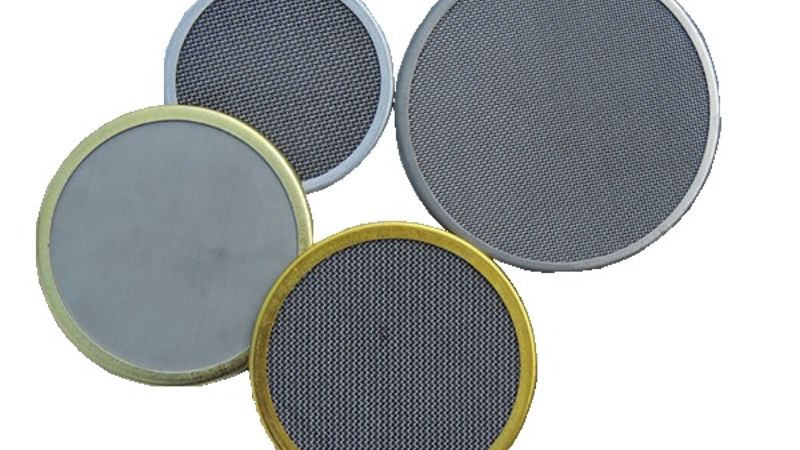
Once the filtration requirements are defined, engineers need to select the appropriate filter structure and material. Woven wire mesh, perforated metal, expanded metal, and photo-etched mesh differ in aperture geometry, open area, thickness, mechanical strength, and manufacturing flexibility. Our guide to metal mesh filter types and applications compares these structures in more detail.
Step no 3: Working with Engineers to Finalize Specifications
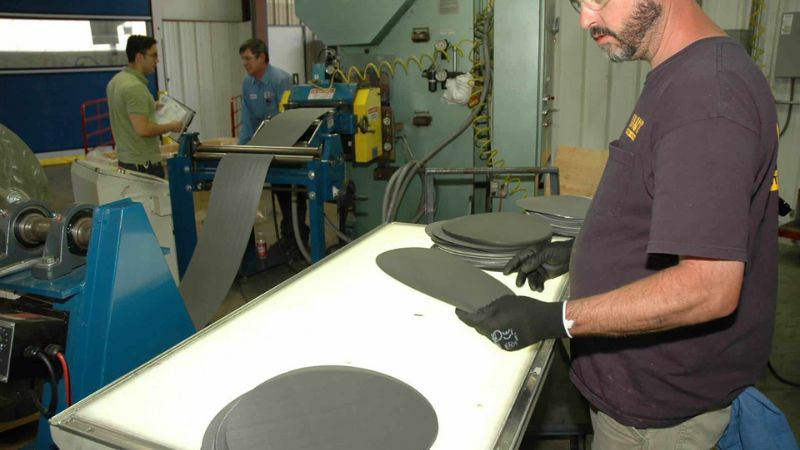
After selecting the filter structure and material, engineers should define the critical specifications, including aperture size, open area, sheet thickness, outside dimensions, edge geometry, mounting features, and dimensional tolerances. Our mesh filter size guide explains the main sizing terms used when preparing a filter drawing or RFQ.
Step no 4: Prototyping and Testing Before Bulk Production
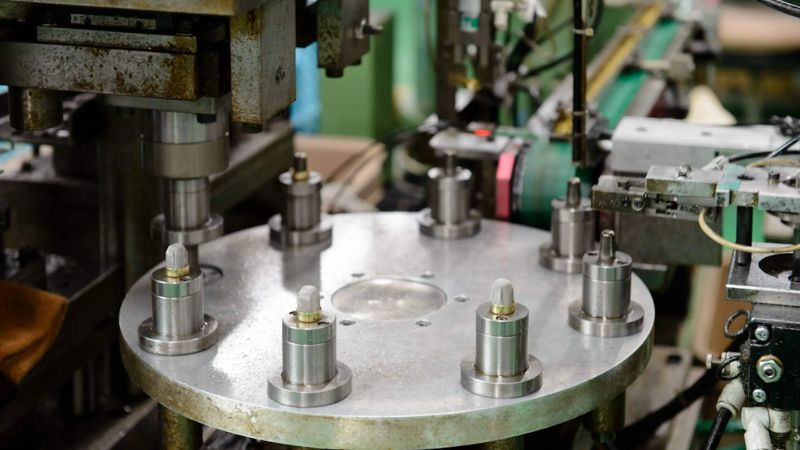
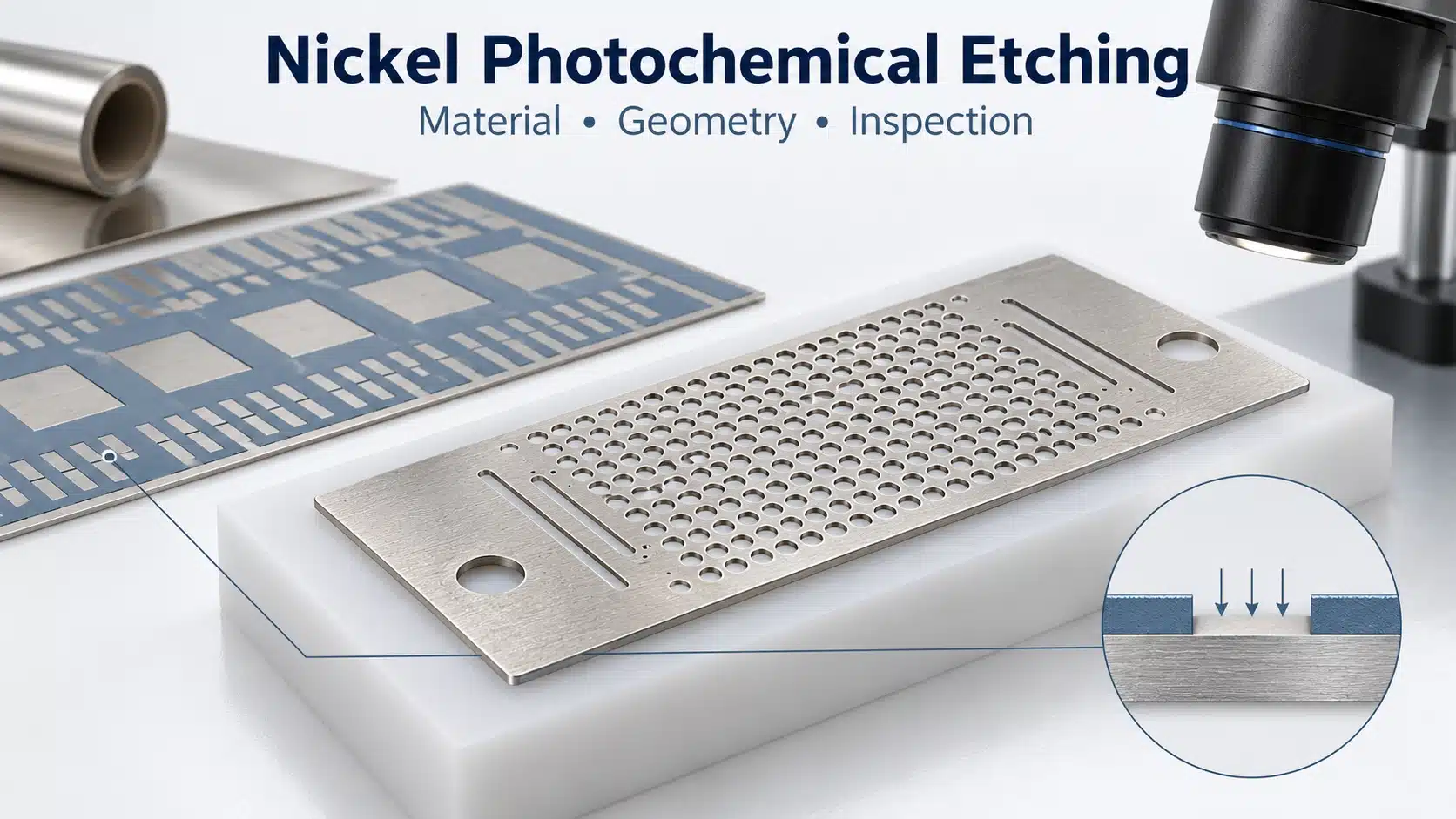
The next step is to test a prototype or small batch before moving to volume production. Testing can evaluate pressure drop, flow rate, particle retention, dimensional fit, mechanical strength, and assembly performance. For filters that require fine repeated apertures or complex patterns in thin metal, photochemical etching for metal filter mesh manufacturing provides an alternative to punching or conventional perforation.
Design Considerations for Custom Metal Mesh Filters
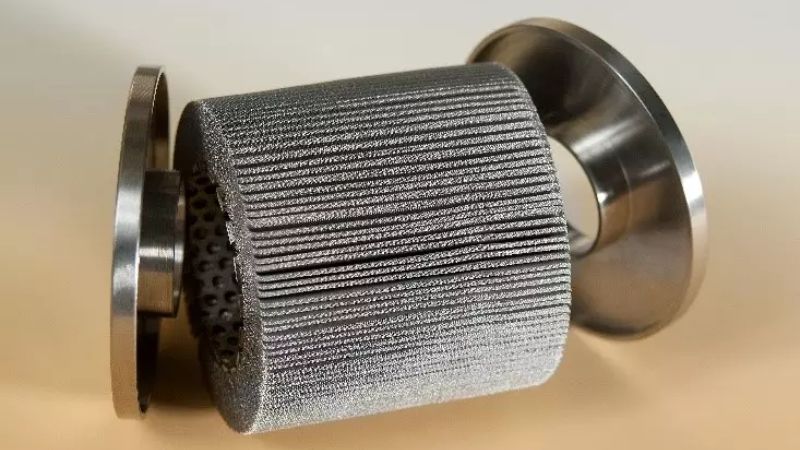
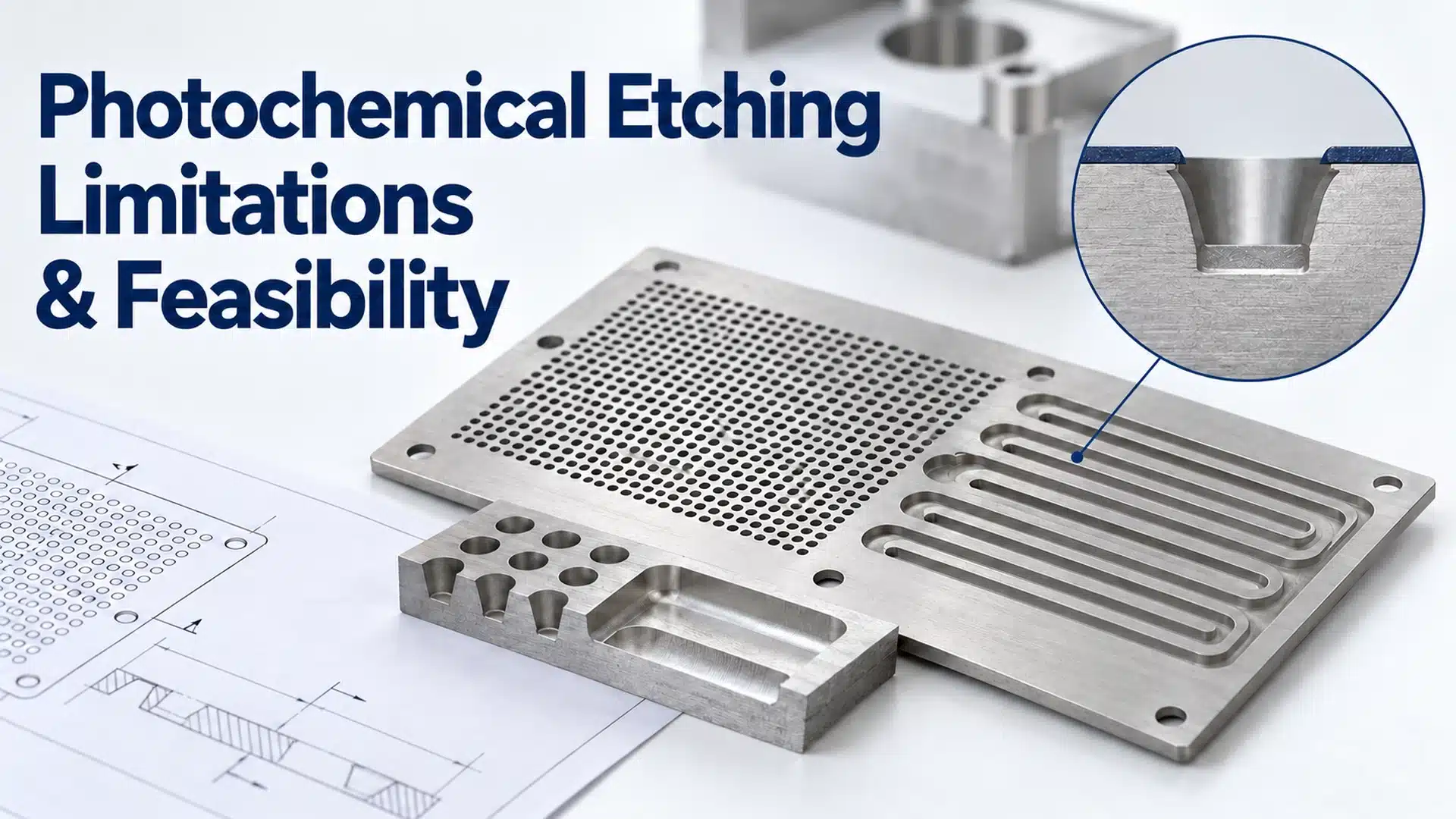
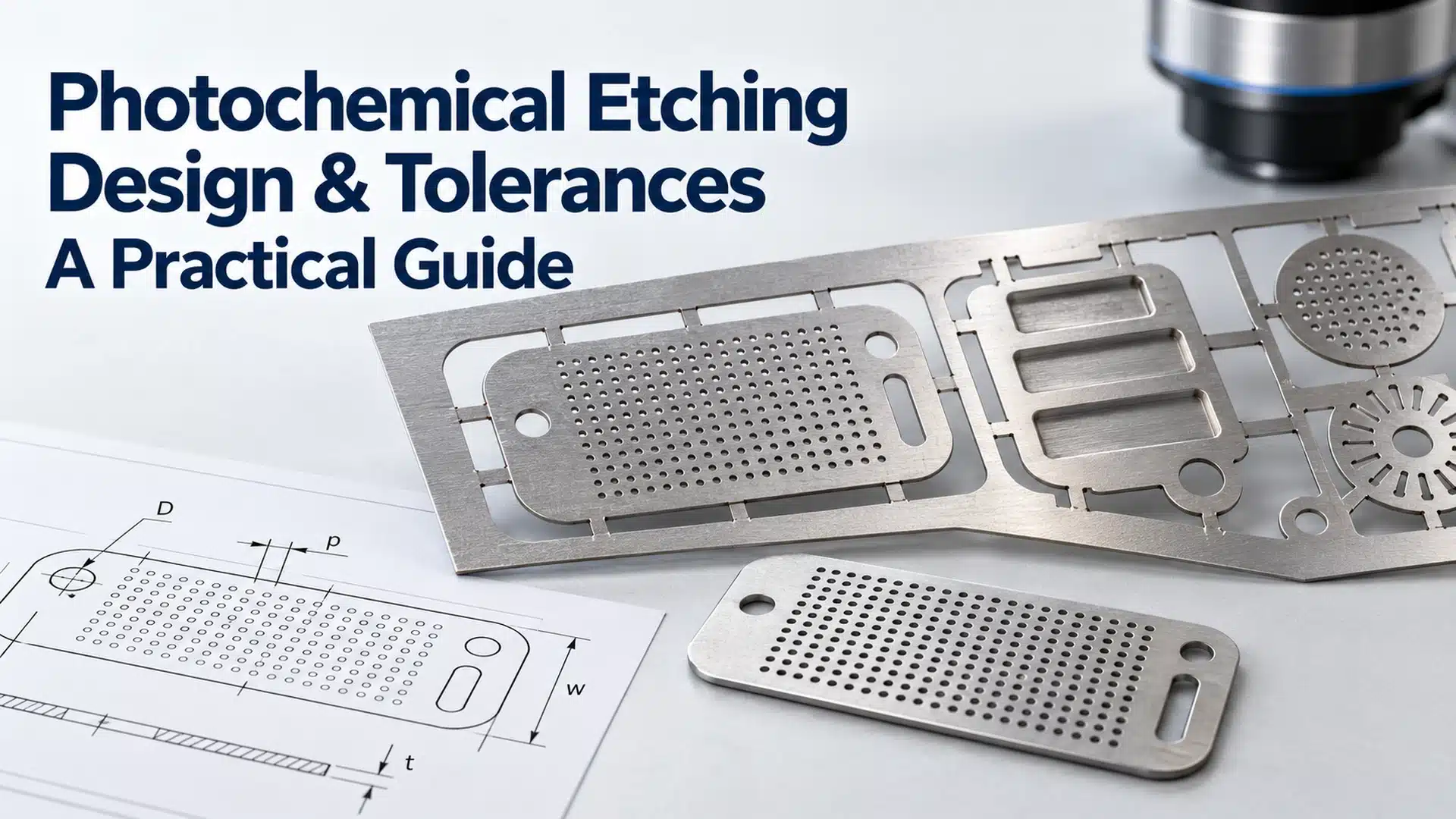
Filter design affects particle retention, pressure drop, mechanical strength, airflow or liquid flow, and manufacturability. For photo-etched filters, aperture size, web width, material thickness, edge geometry, and dimensional tolerance must also remain within practical process limits. Engineers can review our photochemical etching tolerances and design limits before finalizing the production drawing.
Mesh Size and Micron Ratings
A mesh size determines how small the particles the filter can catch. On the other hand, the micron rating tells you the size of particles that will pass through. It is best for you to design a micron in a lower rating. Make sure to create a larger mesh to enhance faster flow.
Wire Diameter and Strength
The wire diameter affects the filter’s strength and durability. Thicker wires make the filter stronger. Thinner wires enable more open space, which can increase flow. So, consider these points to make flyers for heavy applications.
Shape and Size Customization
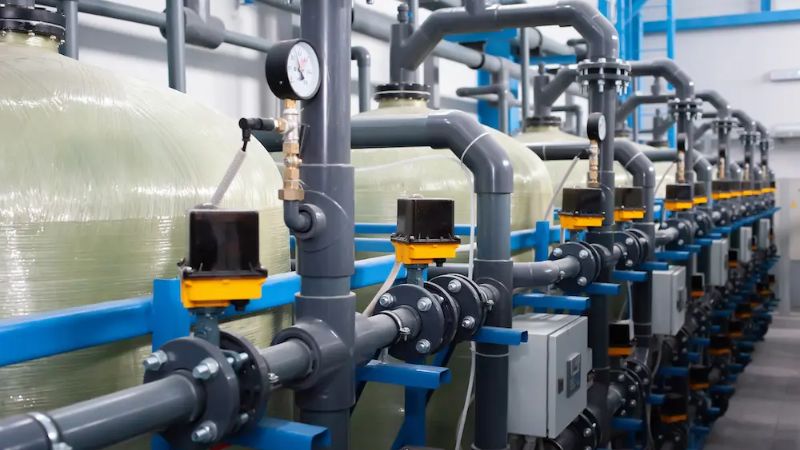
Generally, the filters come in many shapes. A round and a cylindrical filter are best for an underground pipe system. The square or rectangular filters may fit trays or tanks. Make sure to customize the shape and size of filters to fit your project requirements.
There are many industries that design reusable metal air filters. These filters perform a specific job in each sector and improve product quality. Here are common applications of custom metal mesh filters in different sectors.
Automotive and Aerospace Applications
Engineers in the automotive and aerospace industries design filters to clean the fluid. The custom filters remove metal particles, dust, and sludge that can damage components. Custom filters can withstand vibration, pressure, and heat in vehicles. They protect engines, transmissions, and fuel systems.
HVAC and Air Filtration Systems
Clean air is essential for buildings and factories. The metal fabricators design filters that trap dust, pollen, and debris before they reach HVAC equipment. They protect fans, coils, and ducts. Furthermore, these filters also improve air quality and ensure consistent airflow.
Food and Beverage Industry
The food and beverage industry mainly needs filters to remove particles from liquids and air. The custom filters help maintain food hygiene and product quality. Metal mesh filters are easy to clean and resist corrosion. This ensures consistent, safe, and high-quality production.
Medical and Pharmaceutical Equipment
In the medical industry, stainless steel mesh filters remove tiny particles inside the equipment and tools. The surgical tools need high-quality sterilization conditions. The custom filters provide efficient cleaning of tools. So, they could match the safety standards.
Top 3 Custom Metal Mesh Filter Factories
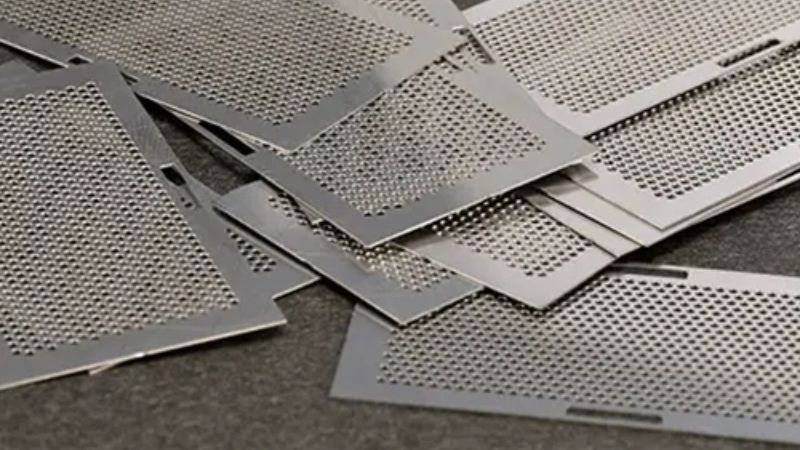
Choosing a filter manufacturer requires more than comparing price or delivery time. Buyers should evaluate material capability, aperture control, inspection methods, prototyping support, production capacity, engineering communication, and experience with similar applications. Our mesh filter manufacturer selection guide explains the main criteria to compare before requesting a quotation.
TMNetch
TMNetch is a leader in providing industrial filtration solutions. They are making custom metal mesh filters for the chemical, automotive, and food industries. This custom metal mesh filters factory is known for its precision, durability, and reliable performance.
The brand focuses on producing filters that fit safely on specific industrial equipment. Furthermore, they also offer services like technical guidance, prototype testing, and custom sizing. You can get precise guidance on selecting the right material, size, and filter design.
Their support includes maintenance tips and replacement schedules to extend filter life. Their custom filters are strong, designed to handle high pressure and harsh chemicals.
FiltraTech
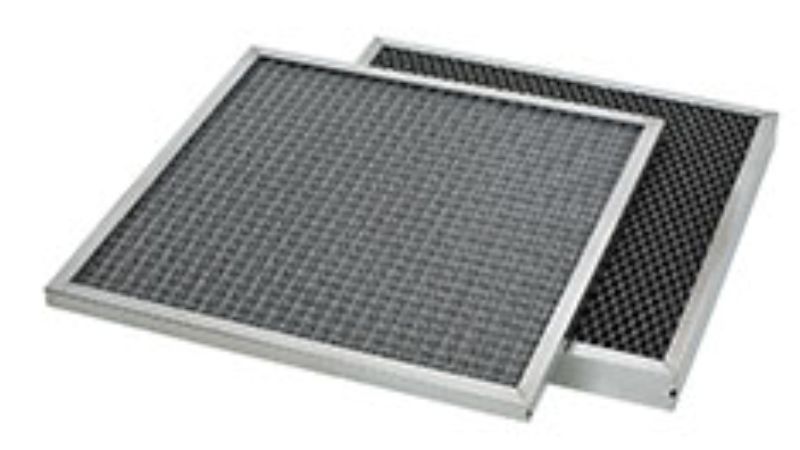
FiltraTech is gaining a reputation for its innovation, reliability, and high performance. The company offers advanced industrial filtration solutions. They serve the oil and gas, water treatment, and pharmaceutical industries.
The brand makes wire mesh filter screens that meet quality industrial standards. Their filters are built to handle tough operating conditions. FiltraTech offers design assistance and prototype testing. They provide support for quick filter installation and maintenance. However, the brand needs a longer duration to complete custom orders.
MeshPro Solutions
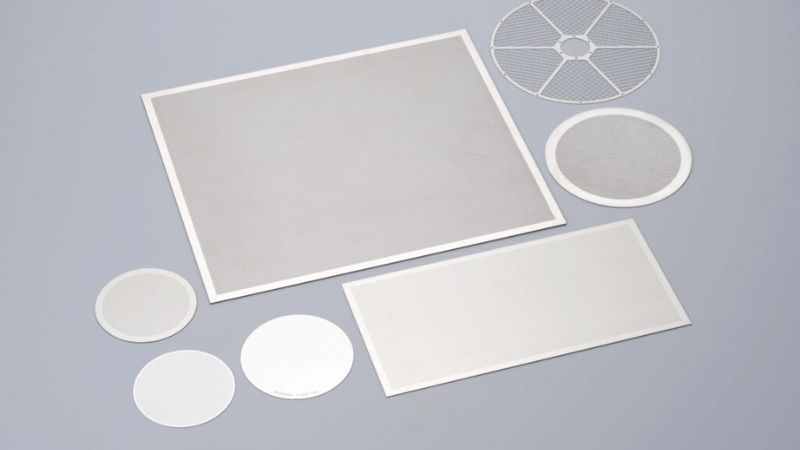
MeshPro Solutions is a great custom mesh filters factory. They are known for fast delivery, precise engineering, and operational efficiency. The company stands for practical solutions and customer-focused support.
Primarily, they design filters for the chemical, food and beverage, automotive, and HVAC sectors. Their team provides an online system for tool selection and prototyping services. You can get help choosing mesh type, material, and shape. However, the brand is limited in its selection of special materials. They also restrict and do not deliver service to the advanced industry.
Frequently Asked Questions
What is the purpose of metal mesh?
The basic purpose of metal mesh is to provide reliable filtration. It controls airflow, liquid flow, and particle separation. Metal mesh also serves to shield equipment, reinforce surfaces, and enhance safety by acting as guards or barriers.
Are metal filters good?
Yes, metal filters are good because they are strong and last a long time. You can stop dirt, dust, and tiny bits from getting into the air, water, or machines. Unlike plastic filters, metal filters can be cleaned and used again. They do not break easily.
What are the side effects of filters?
Filters can sometimes have side effects if they are not used correctly. A dirty mesh filter can block air or water. This can easily cause the machine to break faster or use more energy. If a filter is not cleaned, it can spread dust, germs, or bad smells.
Conclusion
To sum up, custom metal mesh filters are used in various industries to meet specific requirements. You can make filters to protect oil, gas, and food industry tools. Basically, filters remove particles and ensure smooth operation.
However, it’s important to ensure safety measures when handling and installing filters. Always wear gloves and protective gear. Ensure that you follow the cleaning, maintenance, and installation instructions carefully.
Custom metal mesh filters should be specified around the actual filtration medium, particle size, flow requirement, pressure, temperature, material compatibility, aperture geometry, dimensions, and production volume. If you are developing a custom filter, submit your metal mesh filter drawing for manufacturability review with these requirements so the design can be evaluated before prototyping or production.