
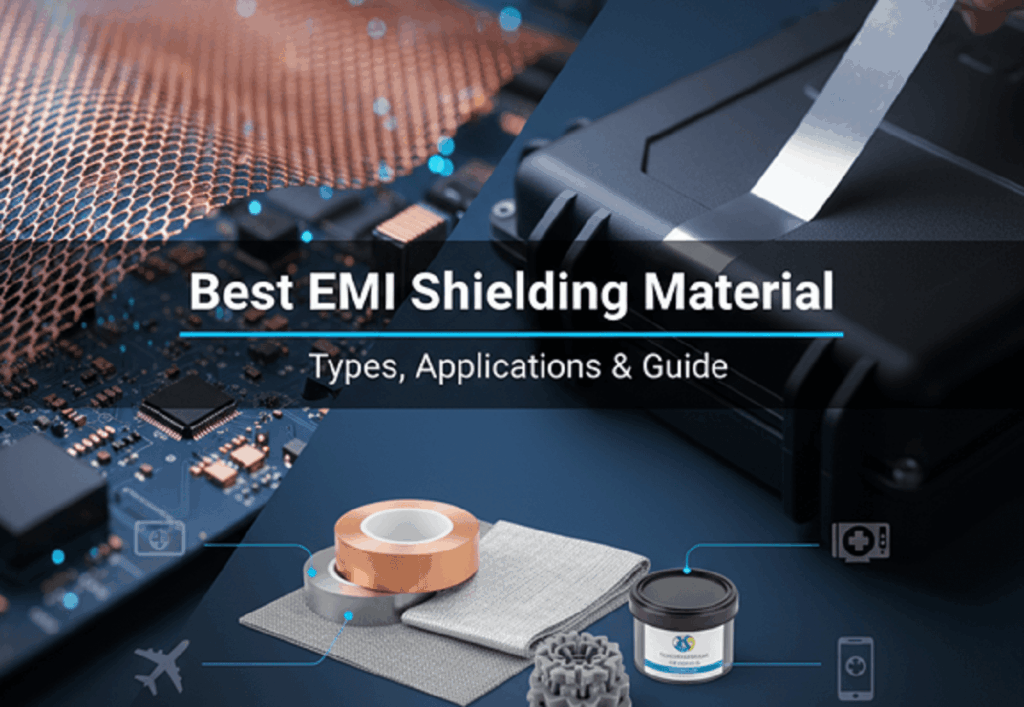
Electromagnetic interference (EMI) can disrupt sensitive electronic systems if not properly controlled. Selecting the best EMI shielding material maintains devices to be reliable and effective. Advanced shielding is used in aviation to protect electronics for protection. It is important to know about the types of EMI shielding materials and their applications. We will examine the most effective EMI shielding material, the main EMI shielding material applications, and how to select EMI shielding material for what you plan to use it in.
What is the Best Material for EMI Shielding?
There is no single best material for every EMI shielding application. The right choice depends on the interference frequency, shielding structure, grounding design, operating environment, weight, corrosion resistance, and manufacturing requirements. For the basic working principles, read our complete EMI and RFI shielding guide. As a general rule, metals such as copper, aluminum, and steel are the most popular due to their conductivity. Some new composites and conductive coatings are also now used. We’ll be discussing types of EMI shielding materials thoroughly in the next phase of the article.
Types of EMI Shielding Materials
Knowing about the various types of EMI shielding materials can assist you in making an informed choice. Below are the key categories:
1. Metals
Metals are widely used for rigid EMI shielding because they combine electrical conductivity, mechanical strength, formability, and structural protection. Their suitability depends on the frequency range and application requirements. They are the oldest option in the list of types of EMI shielding materials.
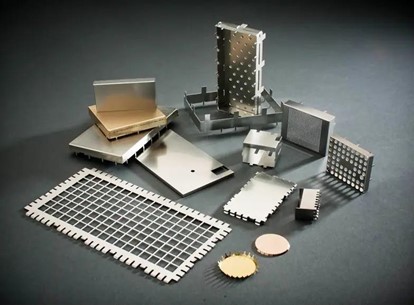
- Common metal options include copper, aluminum, stainless steel, tin-plated steel, and nickel silver. Copper provides high electrical conductivity and is widely used for shielding covers, grounding parts, and fine metal meshes. Learn more about copper EMI shielding components. Regarded for their conductivity, corrosion resistance, and structural strength. They are known as the best EMI shielding material for your advanced industry.
- Features:
- High conductivity ensures superior shielding.
- Durable and mechanically strong.
- Corrosion-resistant when treated with care.
- Conductive metals can provide effective shielding in many electric-field and high-frequency applications. Low-frequency magnetic shielding may require materials with suitable magnetic permeability.
- Provides structural protection to devices.
- Forms include sheets, foils, meshes, shielding cans, frames, covers, and enclosures. For compact circuit assemblies, see our guide to PCB-level shielding materials and design.
- Where they’re used: Aerospace, defense, car, and consumer electronics enclosures
- Pros: Reliable, long-lasting, excellent shielding.
- Cons: Much heavier than its rivals, and copper is expensive.
2. Conductive Coatings
Conductive coatings transform non-metallic surfaces into reinforced barriers and lend themselves to EMI shielding material application needs.
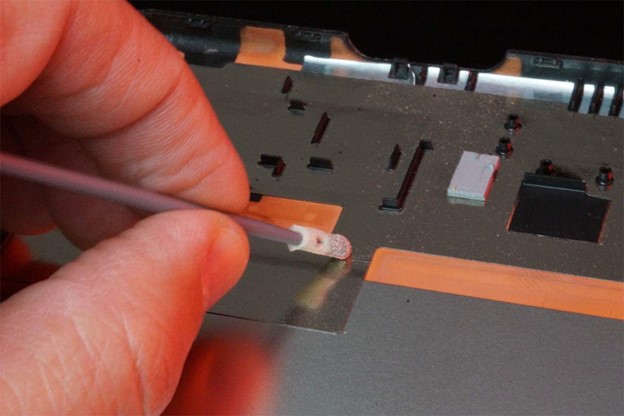
- Conductive coatings may use silver, nickel, copper, graphite, or other conductive materials. For etched metal shields, appropriate metal plating services can support corrosion resistance, solderability, wear resistance, or other surface requirements.
- Features:
- Lightweight and easy to apply.
- Effective on irregular shapes.
- Cost-efficient for mass production.
- Enhances the durability of enclosures.
- Supports flexible design requirements.
- Forms: Sprays, paints, electroplated coatings.
- Where they’re applied: Telecommunications, medical devices and consumer plastic enclosures.
- Pros: Low-cost, adaptable, space-saving.
- Cons: Not as long-lasting as metal; may need to be reapplied.
3. Conductive Elastomers
Conductive elastomers are a new sort of hybrid category in types of EMI shielding materials, which involve the combination of rubber flexibility and metal conductivity. They are the go-to choice for combined sealing and shielding.
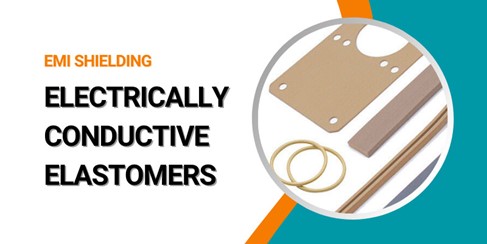
- Composition: Silicone/ Fluorosilicone/ Rubber with conductive particles like nickel, silver, copper. This composition will provide the most effective EMI shielding material as a gasket.
- Features:
- Provides robust environmental sealing (dust and moisture).
- Ensures reliable electrical conductivity and grounding.
- Highly resistant to shock and vibration.
- Conformable for use in intricate designs.
- Maintains performance in extreme/harsh environments.
- Forms: Gaskets, seals, molded components.
- Uses: Aircraft connectors, defence electronics, automotive control systems on board.
- Advantages: Can be used for multiple applications, seals very well against demanding environments (and it is a good shielding and sealing material in one).
- Disadvantages: More expensive, and gives lower conductivity than solid metals.
4. Conductive Foams
Conductive foams are lightweight solutions that offer the best EMI shielding material performance in packing and sensitive components.
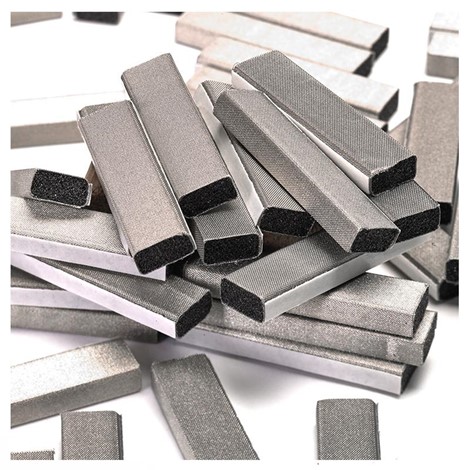
- Composition: Foams such as open-cell foams that are covered in conductive metals, or the foams consist of inherently conducting polymers. When used for EMI shielding material applications, such foams provide a combination of protection and flexibility.
- Features:
- Compressible And Conformable To Irregular Surfaces.
- Lightweight and non-intrusive.
- Cost-effective for temporary uses.
- Furnishes surface conduction on wide expanses.
- Reduces assembly complexity.
- Forms: Sheets, strips, gasket inserts.
- Where they are used: Consumer electronic packaging, telecom rack systems, and portable devices.
- Pros: Lightweight, easy to fit, inexpensive.
- Cons: Not as strong and durable, finite lifespan when compared to metal.
5. Conductive Fabrics
Conductive fabric is a fashionable and unique design material frequently used as types of EMI shielding materials for its gynogenic features and portability.

- Material: Woven or Non-woven fabrics plated in copper, nickel, or silver. Their configuration makes them still highly breathable and conductive, thus being one of the best EMI shielding materials for flexible designs.
- Features:
- Lightweight and flexible.
- Effective over wide frequency ranges.
- Breathable for comfort in wearables.
- Stackable for better performance.
- Resistant to repeated flexing.
- Forms: Tapes, curtains, layers, and sheets of fabric.
- Where it is used: Shielding for aerospace cabins, medical devices, and wearable technology.
- Pros: Flexible, adaptable, comfortable in wearable use.
- Cons: Cons: Break down quicker, not conductive like metals.
6. Conductive Adhesives and Tapes
An easily assembled EMI shielding material application that can be easily manufactured in no time.
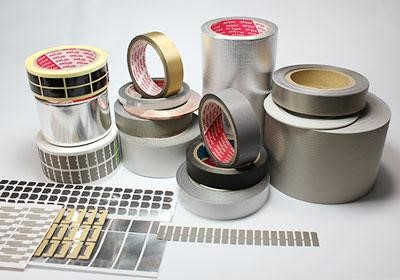
- Formulation: Conductive Fillers including Silver, Copper and Nickel in Adhesives or PSTs For the best conductive gasket material solutions, these are engineered from the ground up to adhere to various materials and provide a low electrical resistance path.
- Features:
- Simple to apply, no extra tools needed.
- Bonds and grounds components effectively.
- Flexible for multiple surfaces.
- Ideal for quick repairs.
- Lightweight and compact.
- Forms: Transfer tapes, foil tapes, metallized fabric tapes.
- Where they are used: Consumer electronics automotive wiring and telecommunications gear.
- Pros: Convenient, versatile, cost-efficient.
- Cons: Adherence may degrade over time, not as good for high-power systems.
These types of EMI shielding materials are made to serve particular industries from healthcare to defense and the reliability in such applications. There are advantages to each, the right combination of which is likely the best EMI shielding material for you.
EMI Shielding Material Applications
The best EMI shielding material is widely applied in many fields. The following is a list of some commonly EMI shielding materials application :
- Aerospace & Defense: Protects avionics and radar systems from interference
- Medical Equipment: For dependable use of diagnostic systems.
- Vehicle: Eliminate EMI interference in your electric or hybrid vehicles.
- Consumer Electronics: Shielding materials are used in phones, computers, communication equipment, sensors, and other compact electronic assemblies. See more examples of photo-etched electronic components, including shields, enclosures, connectors, and RFI finger strips.
- Telecom: Increases signal clarity within your communication devices. Networking- Great for a direct connection between two PCs or connecting two systems.
Each of these EMI shielding material applications is subject to careful consideration and a compromise among weight, durability, and conductibility.
How to Select EMI Shielding Material
The choice of the best EMI shielding material is a balance between price, performance, and environmental considerations.
Start with the interference type and frequency range. A material that performs well against high-frequency electric fields may not provide the same result against low-frequency magnetic fields. For RF-specific applications, read our radio frequency interference shielding guide.
Here are some factors:
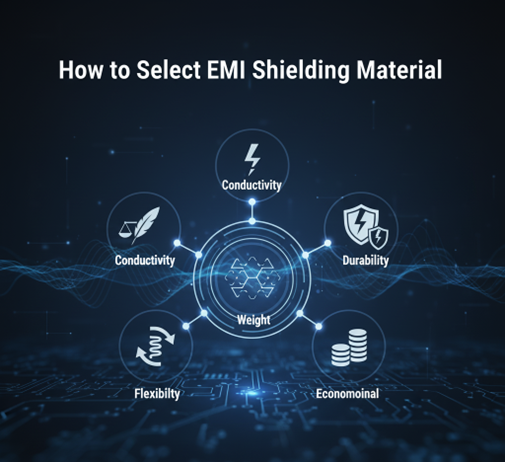
- Conductivity: High electrical conductivity can improve reflection of electromagnetic energy, but overall shielding performance also depends on frequency, permeability, thickness, grounding, seams, openings, and enclosure design. Always check the types of EMI shielding material against what you need to find the best EMI shielding material for your application.
- Weight: Durable and lightweight materials like aluminum are great for portable electronics, which is why they’re often viewed as the best EMI shielding material for consumer products.
- Durability: Stainless steel or nickel alloys resist harsh conditions, making them the most effective EMI shielding material in aerospace and automotive EMI shielding material applications.
- Flexibility: Elastomers or fabrics are flexible and suitable for designs requiring flexibility. Understanding how to select EMI shielding material is what guarantees durability.
- Economical: Buyers want the most bang for their buck. Affordable metals or coatings can be the best EMI shielding material for large-scale EMI shielding material applications.
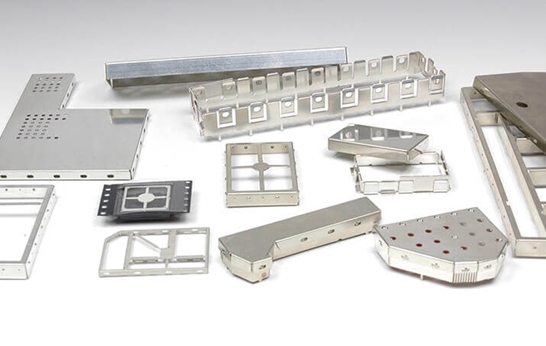
Material selection must also consider solderability, forming requirements, cover removability, assembly method, and production volume. Compare the available materials and finishes for custom board-level EMI shielding. TMNetch not only offers expert technical consultation, but we also manufacture custom EMI shielding solutions. Simply provide design drawings and contact TMNetch to request samples. Check our EMI shielding solutions to learn more about our product.
FAQs
Q1. What is EMI shielding, and why does it matter?
EMI shield protects electronics from electromagnetic interference. The best EMI shielding material is critical to providing reliable device performance in industries such as aerospace, automotive, consumer electronics, and medical systems.
Q2. What are the materials of EMI shielding?
The best EMI shielding materials are copper, aluminum, nickel-based alloys, and conductive fabrics. Such EMI shielding materials are known in the consumer and industrial EMI shielding material applications..
Q3. What is the process for choosing EMI shielding material?
Focus on the evaluation of conductivity, durability, mas,s and cost. Knowing how to choose EMI shielding material helps ensure that the appropriate choice fits both technical and budget needs for any particular job.
Q4. What industries need EMI shielding the most?
Aerospace, telecom, automotive, and medical have the broadest applications of EMI shielding material. They use the best EMI shielding materials to protect against interference for long-lasting system operation.
Conclusion
The best EMI shielding material depends on the interference frequency, enclosure design, grounding method, operating environment, weight, corrosion resistance, solderability, and manufacturing process. For etched shielding cans, covers, frames, and clips, TMNetch supports several metal grades and secondary finishing options. Send us your drawing, material preference, thickness, annual volume, and surface-finish requirements for a review of your custom EMI/RFI shielding project.