
Radio frequency interference, or RFI, is unwanted electromagnetic energy within radio-frequency bands. It can disrupt wireless modules, sensors, signal paths, and high-speed circuits. RFI shielding helps reduce this unwanted energy through suitable materials, grounding, enclosure design, and component placement. For a broader introduction, review this EMI/RFI shielding guide. Devices from handheld consumer electronics to aerospace and medical systems need proper shielding to maintain signal integrity. This tutorial explains how RF shielding works, what it’s used for, and why it came into existence in the first place as a requirement of high-frequency electronic designs.
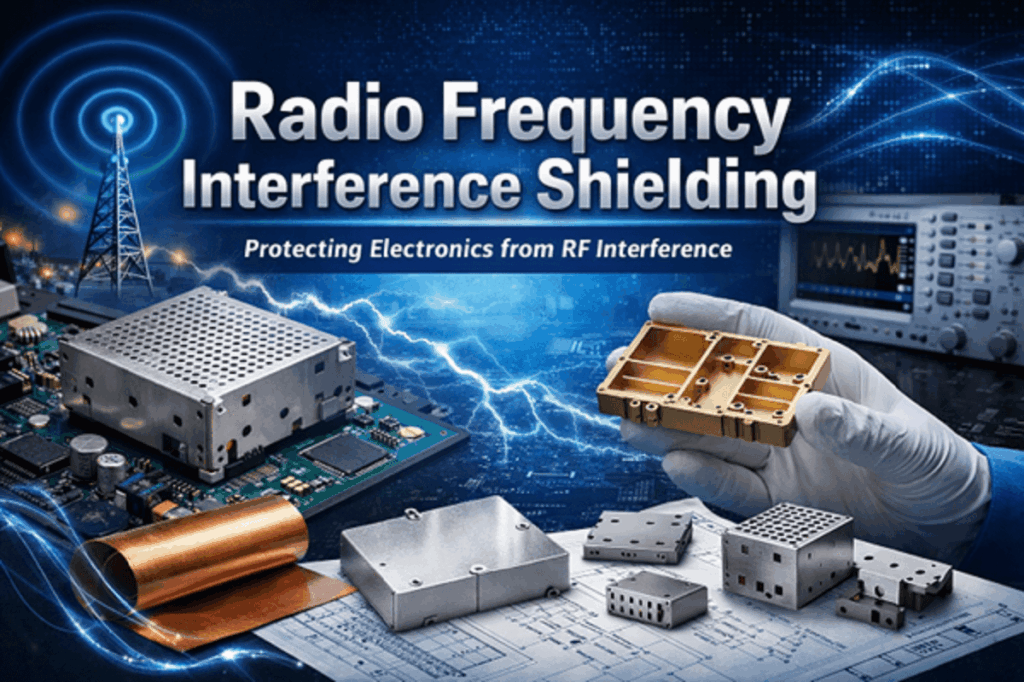
What Is Radio Frequency Interference Shielding?
Radio frequency interference shielding is a type of protective cover whose purpose is to protect electronic gadgets from all sorts of elecromagnetic waves interferences, also refereed as RF interference. It works by ensuring electromagnetic energy is reflected or absorbed. This type of shielding is essential to devices operating in ultra-small and high-speed environments like this, since even a small amount of signal disruption can translate into error or failure. Precision radio frequency interference shielding fabrication and radio frequency interference shielding solutions are encountered in many leading-edge electronic designs to maintain signal integrity while reducing electromagnetic radiation for high-performance under the most demanding operating conditions.
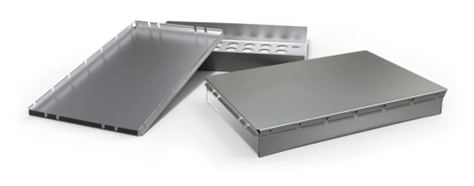
Common Materials and Methods for RF Shielding
Material selection depends on the operating frequency, required attenuation, conductivity, magnetic properties, corrosion resistance, weight, forming needs, solderability, and cost. Use this EMI shielding materials guide to compare metals, conductive coatings, elastomers, fabrics, and other shielding options. For thin metal cans, covers, frames, clips, and shielding blanks, TMNetch provides custom EMI/RFI shielding components produced from customer drawings. Final shielding performance must still be validated in the complete electronic assembly.
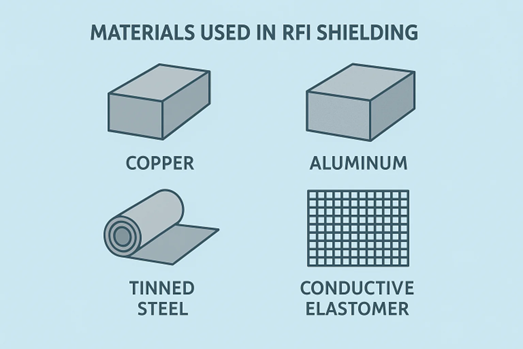
- Copper Shielding: Copper shielded for high conductivity and protection. For this purpose, a stability reason exists for RF control in enclosures and PCB shields.
- Aluminum Shielding: Aluminium is a lightweight and low-cost shielding option. It is commonly used when weight and the need for resistance to oxidation are a concern.
- Moderate RF blocking with high mechanical protection: Stainless steel provides a high level of mechanical protection combined with moderate RF blocking. It is appropriate for industrial and outdoor use due to its long-lasting material structure.
- Nickel Silver Alloys: Nickel silver has the property of conductivity, together with corrosion resistance. A313 is mostly utilised within some precision enclosures and related connector shielding.
- Shielding Cans and Covers: PCB designers use metal cans, frames, and covers to isolate sensitive ICs, RF modules, and noise-generating components. Review this board-level EMI shielding guide for information about one-piece shields, two-piece designs, grounding, seams, ventilation, and mounting.
- Conductive Gaskets: Gaskets seal spaces between panels, as well as around enclosure joints. These keep the RF from leaking while not interfering with the mechanical assembly.
- Shielded Enclosures: The solid metal housing provides a full barrier against EMI and RF, making it ideal for interconnecting branches of equipment. They are widely used in Medical, Telecom, and Industrial Electronics.
- Absorptive Shielding Materials: Radio frequency interface shielding for high-frequency circuits converts incident electromagnetic waves into a form of small levels of heat. They come in handy when mere reflection won’t do.
- Surface Coatings and Plating: Conductive coatings can add a shielding layer to plastic or composite enclosures. Metal shield cans may also require custom metal plating services to improve surface conductivity, solderability, corrosion resistance, or electrical contact.
- Precision-Fabricated Shielding Parts: Shields are formed on your custom tool to maintain close tolerances and create a ground plane. Accurate radio frequency interference shielding design and fabrication are useful to improve uniformity and performance
Future Trends and Challenges in RF Shielding
Electronic design is advancing at an incredible pace, and the future promises to redefine the methods of engineering radio frequency interference shielding to meet the latest challenge. Manufacturers continue to perfect radio frequency interface shielding for high-frequency circuits and are also applying more precise fabrication methods in order to keep up.
- Thinner Shielding Materials: Very thin metals and composites are allowing space-constrained components to attain RF protection without increasing thickness, or even decreasing it.
- Higher Frequency Operation: As radio frequency interface shielding solutions for electronics frequencies rise, tighter tolerances and better shielding performance are required.
- PCB-Level Shielding Integration: Integrated board-level shields are bringing efficiency into tighter physical electronics layouts.
- Thermal and RF Balance: The designs are to have thermal management as well as RF control, and a balance shall be achieved.
- Evolving Compliance Standards: The tech will be forced to innovate in the ways they test and fabricate shields, regulation around compliance is getting stricter.
RF Interface Shielding Best Design Practices
Efficient radio frequency interference shielding is built on a smart design that limits the penetration range of its signal with great success while also maximizing the stability of the circuit. In high-frequency electronic systems, reliance upon traditional layout and enclosure techniques to deliver predictable radio frequency interference shielding solutions.
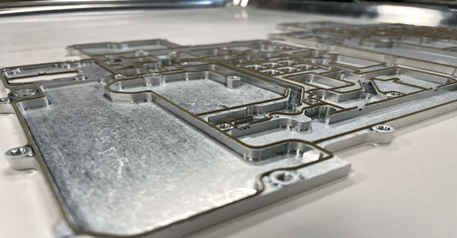
- Ensure Continuous Grounding: always provide several ground paths to avoid RF leakage and signal loss
- Minimize Gaps and Seams: Keep gaps in enclosures to a minimum so that there are no escape points for interference or points through which interference can enter.
- Match Shielding to Frequency Range: Choose materials and structures matching the frequency of operation.
- Use Proper Shield Placement: Position the shields as near as possible to the noise generators and sensitive devices.
- Apply Precision Fabrication: Parts that fit well make better long-term, consistent performance from precision radio frequency interface shielding solutions for electronics.
Testing, Validation, and Performance Optimisation
Verification of RF interference shielding in actual field operating environments, testing of RF. Validation enables manufacturers to test and improve designs using validated radio frequency interference shielding solutions and controlled precision radio frequency interference shielding manufacturing capability.
- Shielding Effectiveness Test: Tests your radio frequency shielding to be sure that you will fade into the RF background in the real world.
- Frequency Range Validation: Verify that shield performance specifications are valid for the range of the frequency involved
- Leakage and Seam Inspection: Detects holes, poor grounds, or seams that may allow RF to pass through.
- Environmental Stress Testing: This is a test to prove the shield’s ability to withstand temperature, vibration, and humidity.
- Design Optimisation Feedback: A design method based on test results on material and forming process.
TMNetch: Empowering Reliable RF Shielding Design
Offering OEMs precision manufacturing, TNMnetch enhances radio frequency interference shielding manufacturers for OEMs. With this systematic approach, GORE offers confidence when it comes to protecting costly RF signals within the most demanding electronics.
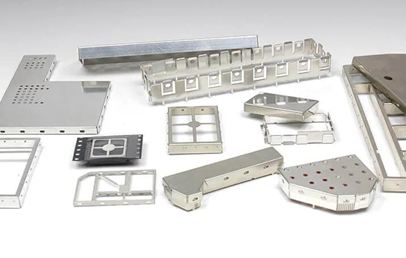
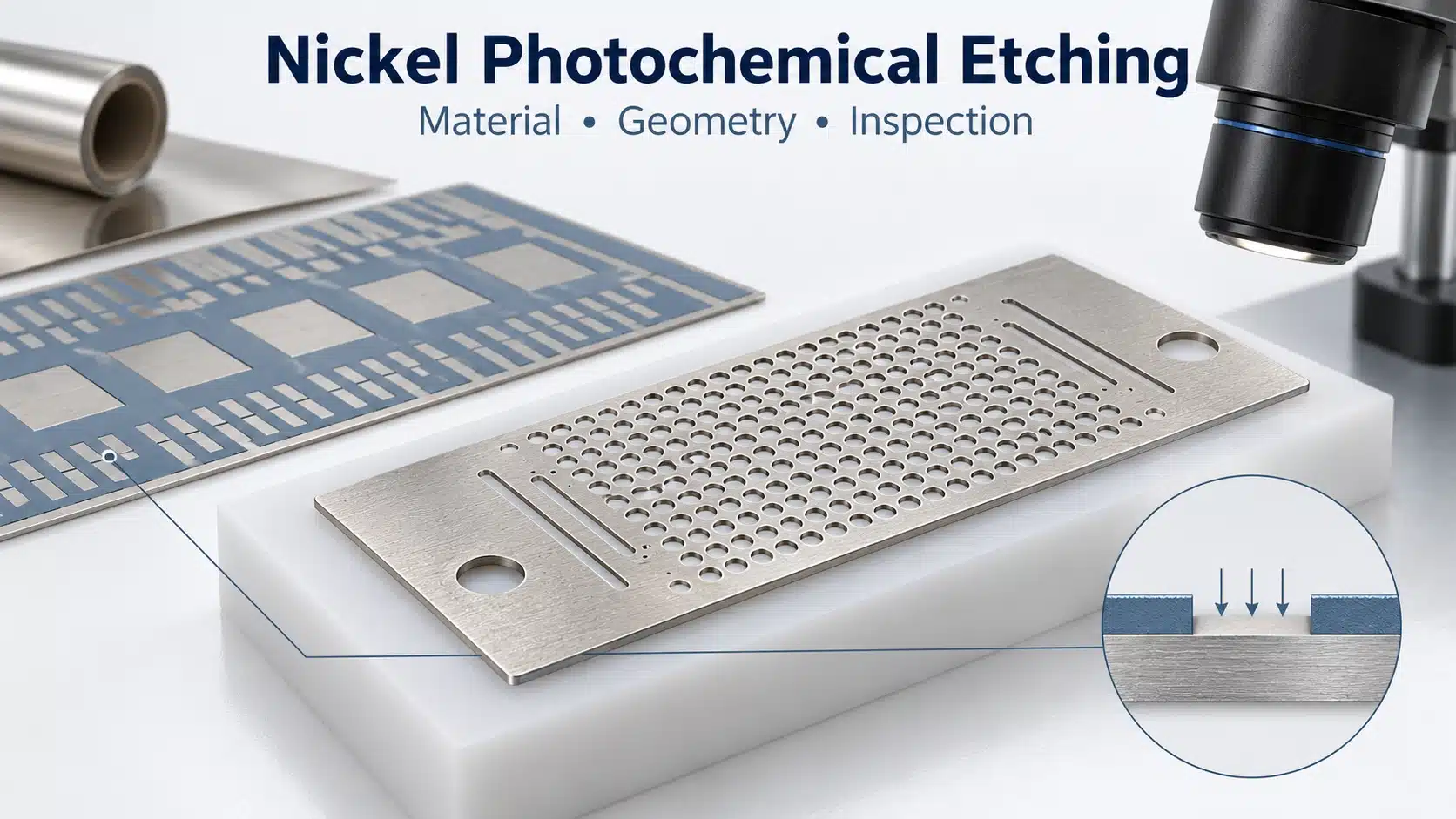
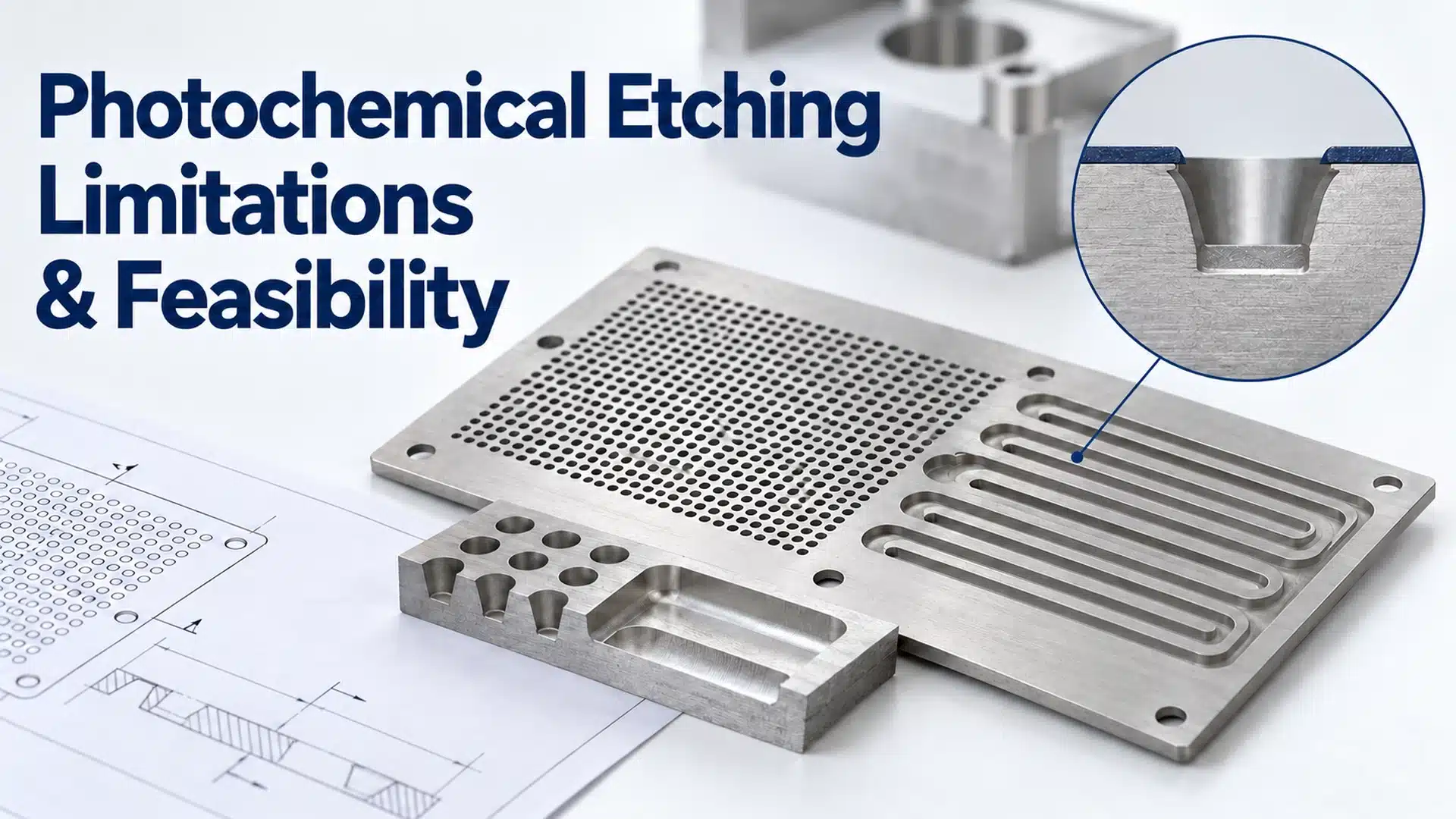
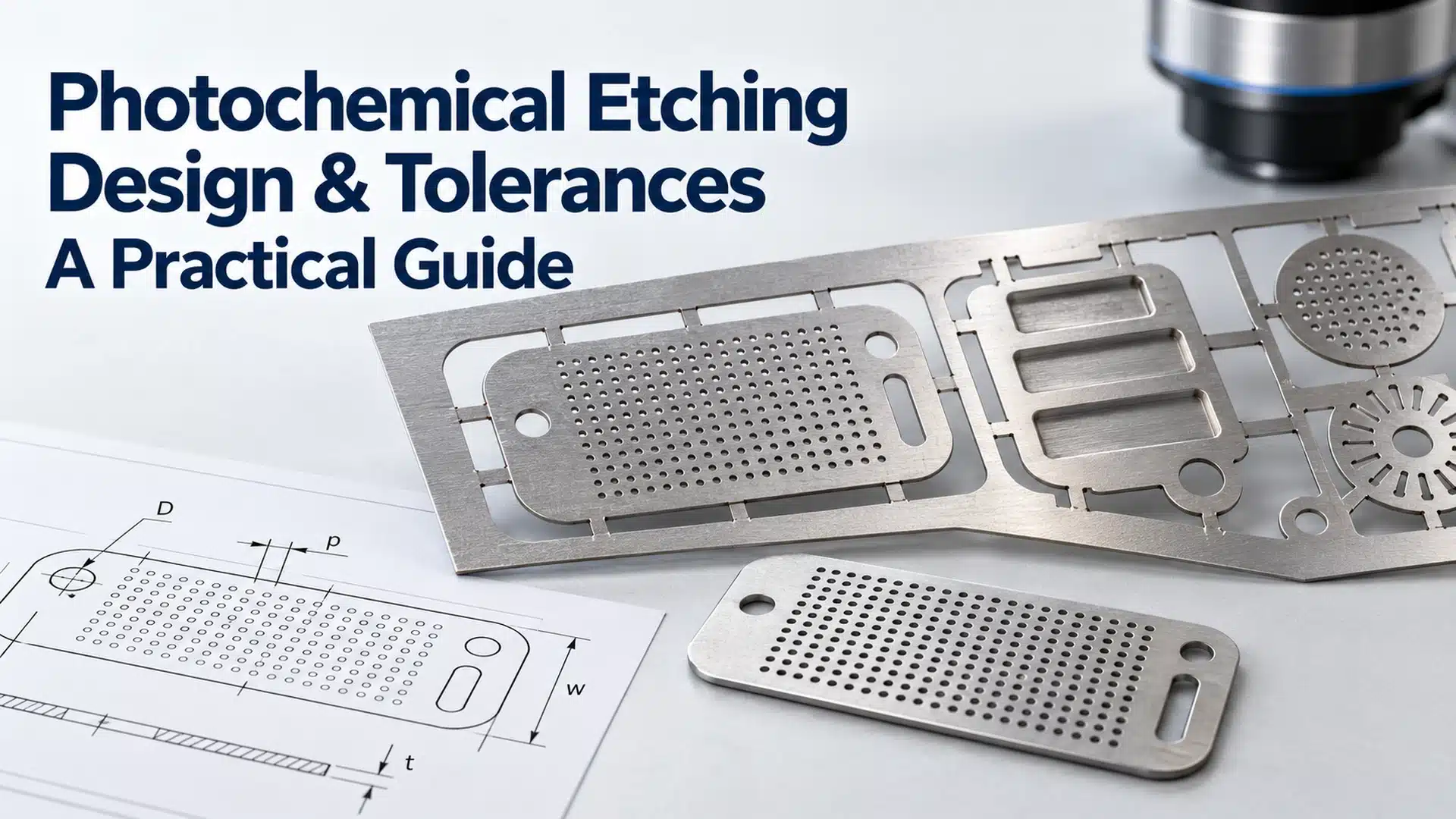
- Precision Shielding Fabrication: TMNetch uses photochemical etching to manufacture thin shielding blanks, cans, frames, covers, clips, and ventilation patterns without conventional stamping dies.
- OEM-Focused Manufacturing Support: Workflow designed around OEM volumes, quality, and reliability needs.
- Dedicated RF Shielding Design: Our latest shielding grooves ensure high-frequency circuits get separated enough from each other to prevent any crosstalk in tightly-bundled designs
- Consistent Quality and Process Control: Shielding effectiveness is controlled through independent testing and in-process monitoring during each lot.
- Engineering-Driven Performance Reliability: Design-for-manufacturing enhanced service life integrity, and the radio frequency shield system solely supports the circuit board.
FAQs
1. What is the main purpose of radio frequency interference shielding in electronics?
Radio frequency interference shielding manufacturers for OEMs protect sensitive circuitry from RF noise that adversely impacts performance. Together with precision radio frequency interference shielding fabrication, the systems provide both stable signal processing and long-term reliability under challenging electronic environments.
2. Why do OEMs need custom RF shielding instead of standard solutions?
Standard shields may work for common PCB footprints and production requirements. A custom design may be needed when the project has unusual component heights, grounding points, ventilation patterns, mounting features, or enclosure limits. Review this custom EMI/RFI shielding guide before deciding between catalog and drawing-based parts.
3. How do manufacturers ensure reliable RF shielding performance?
Everything is controlled, the material is controlled, the shaping at exactly where it’s mounted is controlled, and we do tests, all of which give good confidence. When comparing suppliers, review their product type, material experience, customization, prototype support, forming and plating capabilities, inspection methods, production capacity, and documentation. This EMI shielding manufacturer comparison groups suppliers by the types of shielding solutions they provide.
Conclusion
Radio frequency interference shielding is critical to save contemporary electronic systems from obstruction and a reduction in the quality of performance. With the shrinking of devices and the expanded range of operation frequencies, effective radio frequency interference shielding manufacturers for OEMs is becoming necessary for reliable and compliant performance consistency. Using these with appropriate materials, the right design techniques, and an exact radio frequency interference shielding fabrication process provides OEMs with high-performance materials with consistent shielding across applications. Well-designed RF shielding will not only help to enhance the signal quality but also increase your product’s lifespan, safety, and overall efficiency of your system, even in the most challenging electronic environments.
If your project requires a custom RF shield, send your drawing and technical requirements to TMNetch for a manufacturing review. Include the material, thickness, dimensions, annual quantity, grounding features, ventilation pattern, bending, plating, inspection, and packaging requirements.