
Key Takeaways
PEM fuel cells have moved from research to validated engineering use in road transport, rail, and marine power. Passenger and heavy‑duty vehicles prioritize power density and fast refueling; rail emphasizes modular, reliable power on non‑electrified routes; marine systems focus on low local emissions and safe integration.progress+1
The right use case for PEMFC is defined by duty cycle, not efficiency alone. Applications with long range, high daily utilization, short refueling windows, or packaging/mass limits for batteries favor PEMFC; short‑trip, charging‑rich scenarios favor battery‑electric.
Vehicle deployment tracks hydrogen infrastructure. By end‑2023 there were >82,000 fuel cell vehicles and 930 hydrogen refueling stations globally; regional station density strongly influences fleet feasibility and operating economics.progress+1
Rail and marine pilots are now in operational service. Alstom’s hydrogen trains have completed passenger service and multi‑thousand‑kilometer trials; CRRC’s hydrogen smart tram delivers >200 km per refuel. Marine projects have progressed from 48 kW passenger vessels to MW‑class integrated solutions under development.
Commercial limits are system‑level, not stack‑level. Reliable hydrogen supply and cost, balance‑of‑plant complexity, durability under different load profiles (catalyst, membrane, bipolar plates, seals), and environmental factors (cold start, corrosion) determine practicality.
Bipolar plates are a key lever for stack reliability. Because they govern electrical conduction, gas distribution, heat transfer, water management, and stack compression, plate material, flow‑field geometry, tolerances, and coatings directly affect long‑term performance.
Hybrid architectures balance continuous energy and transient power. A PEM fuel cell can provide sustained energy while a battery handles peak loads, regenerative braking, and short‑term load changes; the optimal architecture depends on the operating profile.
Since the birth of proton exchange membrane fuel cells (PEMFCs) in the 1950s, scientists worldwide have never ceased their in-depth research on PEMFCs. This has led to significant advancements in performance, lifespan, and cost, resulting in their widespread application in transportation, portable power sources, and distributed power generation, gradually promoting the commercialization of PEMFCs.
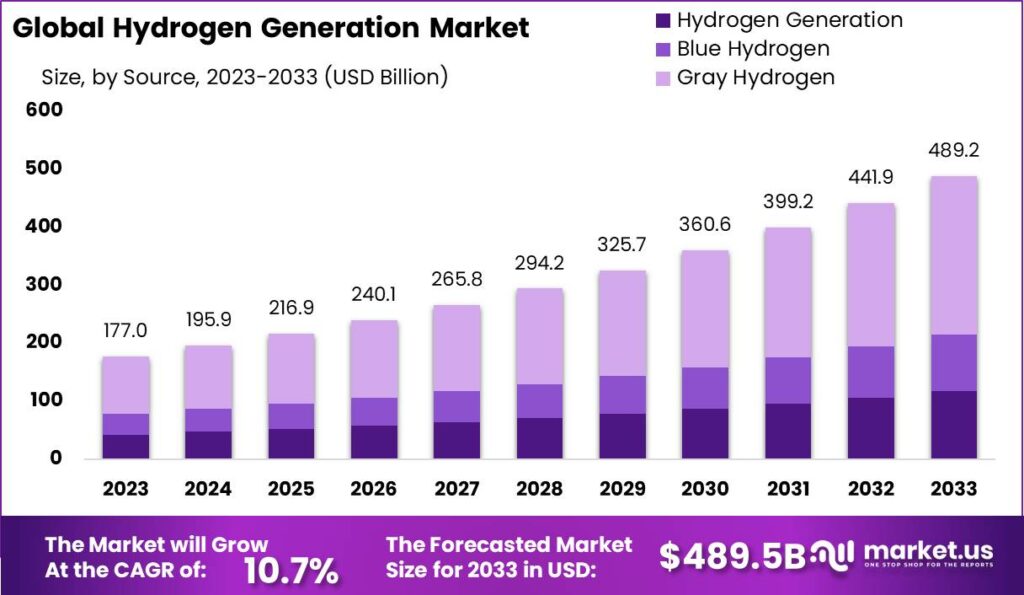
As of January 9, 2024, GLOBE NEWSWIRE (Market.us) reported that the hydrogen production market reached $177 billion in 2023 and is expected to grow significantly, reaching $489.2 billion by 2033. From 2024 to 2033, this market is expected to experience the highest compound annual growth rate (CAGR) of 10.7%. The hydrogen market here refers to industries involved in the production, storage, and distribution of hydrogen.
Hydrogen has potential in clean energy, especially when used as a fuel for fuel cells and as a raw material in industrial processes, which can reduce greenhouse gas emissions. Therefore, the demand for hydrogen has been increasing. Among different fuel cell technologies, proton exchange membrane fuel cells combine relatively low operating temperature, compact stack architecture, and high power density, making them suitable for many mobility and distributed-power applications. Next, we will introduce the practical applications of proton exchange membrane fuel cells in fuel cell vehicles, rail transit, and marine power.
Why PEM Fuel Cells Fit Certain Applications
PEM fuel cells are not equally suitable for every electrification scenario. Their strongest applications are usually those where power density, operating range, fast energy replenishment, compact system design, and low local emissions are important at the same time.
Compared with combustion-based power systems, PEMFCs generate electricity electrochemically and can operate with low local emissions when supplied with hydrogen. According to the U.S. Department of Energy, PEM fuel cells operate at relatively low temperatures and can start quickly, which is one reason they are particularly suitable for transportation applications such as cars, buses, and heavy-duty trucks.
The value of PEM fuel cells becomes clearer when application requirements are considered rather than looking at fuel cell efficiency alone.
| Application | Why PEMFC Can Fit | Main Engineering Priority |
|---|---|---|
| Passenger vehicles | Fast refueling and compact electric powertrain | Power density, cold start, cost |
| Heavy-duty vehicles | Long operating range and high vehicle utilization | Durability, continuous power, hydrogen storage |
| Rail transport | Alternative to diesel on selected non-electrified routes | Reliability, modular power, refueling |
| Marine systems | Low local emissions and flexible hybrid integration | Durability, safety, corrosion resistance |
| Backup power | Long standby periods with rapid power availability | Reliability, hydrogen storage, low maintenance |
| Stationary power | Distributed electricity generation | Lifetime, efficiency, system cost |
| Portable and off-grid systems | Extended operation where grid access is limited | Weight, compactness, fuel logistics |
This means that PEMFC selection should begin with the operating duty cycle. A passenger vehicle, a long-haul truck, a ship, and a backup-power system may all use PEM fuel cells, but they impose very different requirements on the stack.
Those differences affect component design as well. Automotive systems tend to prioritize thin and lightweight fuel cell bipolar plates, compact packaging, rapid transient response, and low electrical resistance. Heavy-duty and stationary systems may place greater emphasis on long-term durability, corrosion resistance, stable compression, and consistent performance over extended operating periods.
For this reason, PEM fuel cell applications should be evaluated as engineering use cases rather than as a simple list of markets.
Fuel Cell Electric Vehicles (FCEV)
As early as 1966, General Motors developed the world’s first fuel cell road vehicle, named the Chevrolet Electrovan. This vehicle used a proton exchange membrane fuel cell (PEMFC) as its power source, with an output power of 5kW, a driving range of 193km, and a top speed of 113km/h.
Subsequently, countries such as the United States, the European Union, Japan, South Korea, and China invested substantial funds and human resources to promote the research of fuel cell vehicles. Companies like General Motors, Ford, Toyota, Honda, and Mercedes-Benz have successively developed fuel cell vehicles. For example:
General Motors (GM): Developed a fuel cell vehicle based on the Equinox SUV platform, which debuted in 2007 and was mainly used for demonstration and testing projects.
Ford: Developed a fuel cell vehicle based on the Ford Focus, which was tested and used in demonstration projects in the early 2000s.
Toyota: Launched the world’s first mass-produced and commercially available fuel cell vehicle in 2014. The second-generation Mirai, released in 2021, features higher performance and a longer driving range.
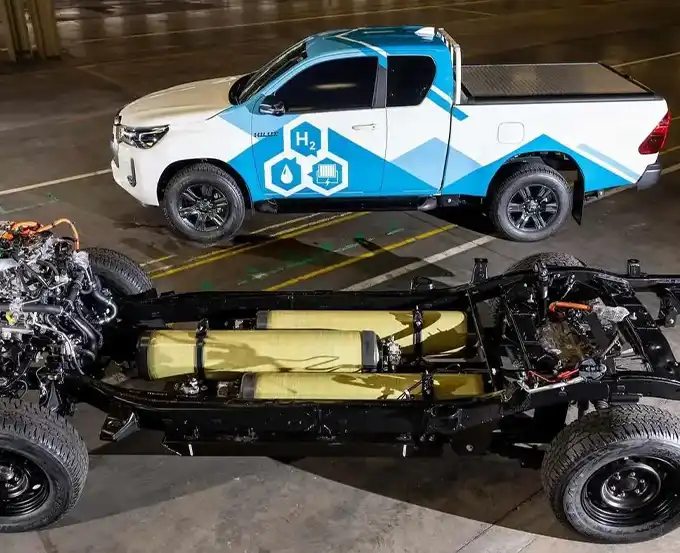
Honda: Released a fuel cell vehicle in 2008, becoming the first to be offered to ordinary consumers on a lease basis. The third-generation model, released in 2015, saw improvements in range and technology.
Major automakers have made significant progress in the field of fuel cell vehicles, introducing a series of innovative models. These models not only represent the development trajectory of fuel cell technology but also lay the foundation for market promotion.
To better understand the current status of this field, we can look at the latest data for a clearer picture. By the end of 2023, the total number of fuel cell vehicles surpassed 82,000, a year-on-year increase of 21.4%. South Korea still leads with a cumulative total of 34,000 fuel cell vehicles. China ranks second globally, with more than 18,000 fuel cell vehicles, surpassing the United States. In 2023 alone, China added nearly 6,000 vehicles, the highest increase globally. Japan and Germany have over 8,500 and 2,900 fuel cell vehicles, respectively. As for essential infrastructure, the construction of hydrogen refueling stations in major countries and regions worldwide has progressed steadily. By the end of 2023, there were 930 operational hydrogen refueling stations globally, a 12.2% increase year-on-year. Europe and North America had 188 and 65 stations, respectively, while Southeast Asia had 650 stations. (This data is sourced from official statistics published by various countries, and corrections are welcome if any errors are found.)
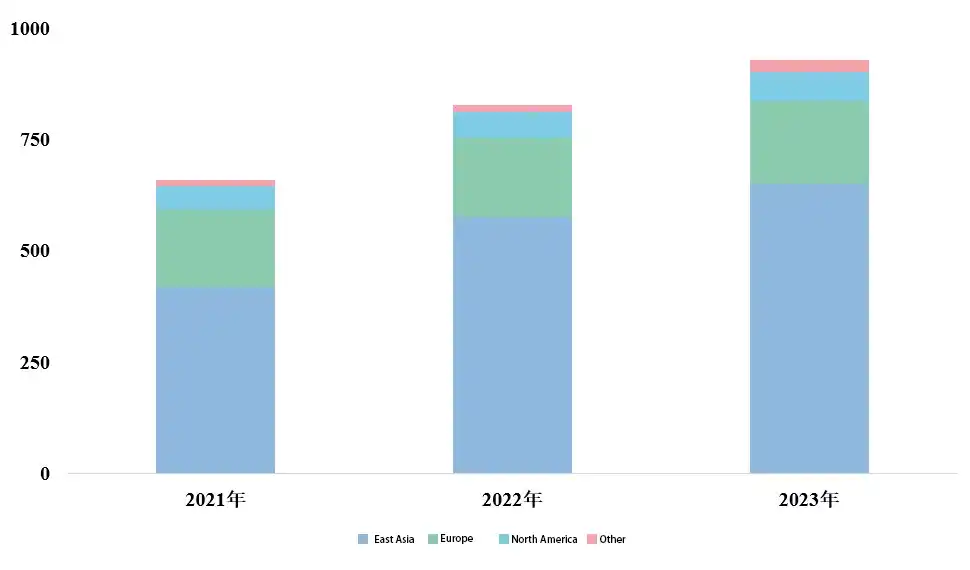
The data indicates that fuel cell vehicle deployment is closely connected to the availability of hydrogen refueling infrastructure. For readers evaluating the complete vehicle energy pathway, our guide to how hydrogen cars refuel and how fuel cells work in vehicles explains the relationship between onboard hydrogen storage, refueling, and fuel cell power generation.
Hydrogen Fuel Cell Rail Transit
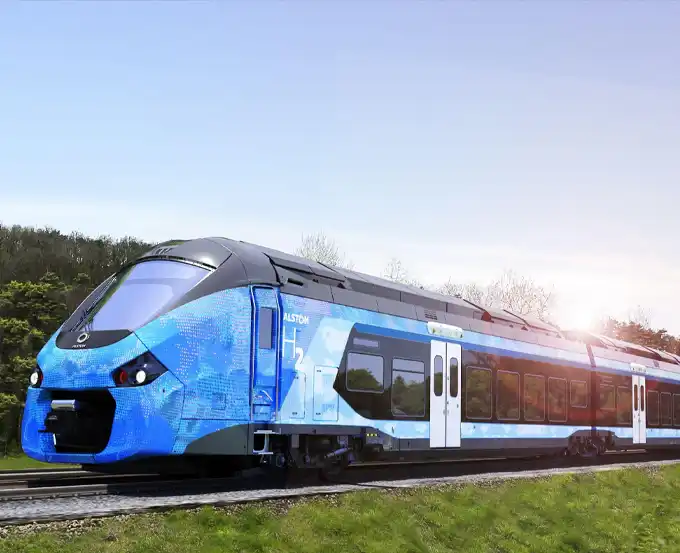
In addition to fuel cell vehicles, the application of hydrogen fuel cell technology in rail transportation has also made significant progress. In 2017, Alstom in France promoted the hydrogen fuel cell train, which increased speed to 140 km/h and achieved a range of 600–800 km. From mid-June to the end of September 2023, Alstom transported over 10,000 passengers, conducted more than 130 trips, and covered a distance of 10,660 kilometers in a demonstration project. This project used green hydrogen-powered trains, saving approximately 8,400 liters of diesel and avoiding 22 tons of CO2 emissions during the trial period.
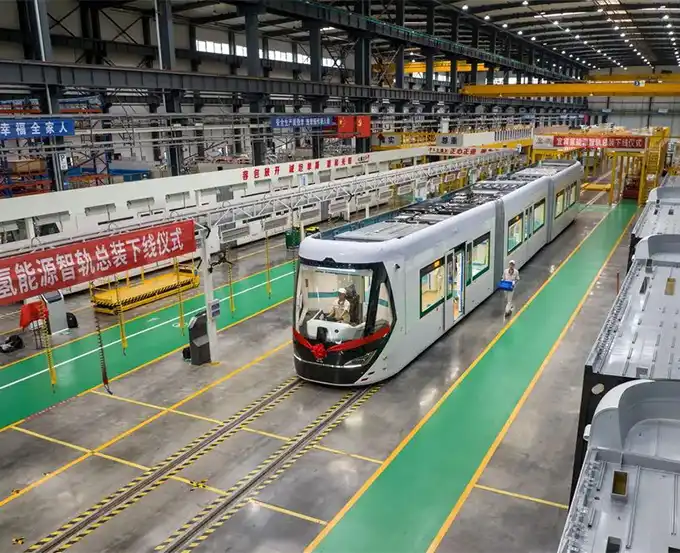
Recently, in July 2024, the hydrogen energy smart tram independently developed by CRRC Zhuzhou Institute in China was rolled off the production line in Yibin, Sichuan, and is expected to be put into use in August. This tram is the world’s first independently developed new type of green rail transit equipment that combines the dual advantages of rail and road transportation. The smart tram uses innovative autonomous guidance and rail-following technology, featuring low infrastructure investment, short construction cycles, flexible scheduling, low carbon emissions, environmental friendliness, and intelligent convenience. In terms of operational efficiency, it uses a 35MPa hydrogen storage system and a high-power fuel cell system, characterized by high energy conversion efficiency and fast hydrogen refueling, significantly improving vehicle operational efficiency. Regarding range, the hydrogen energy smart tram has a longer range. A single hydrogen refueling can ensure the tram runs more than 200 kilometers, meeting the long-distance operational needs of urban public transportation. It provides an innovative medium- to low-capacity rail transit system solution that balances capacity and cost advantages for urban transportation.
In addition, the application of hydrogen fuel cell technology in trams is becoming increasingly mature in the United States, Japan, Spain, and France. In 2022, the global hydrogen fuel cell train market was valued at $1.45098 billion. Experts point out that by 2030, this market value is expected to exceed $3.4 billion, growing at a compound annual growth rate of 11.5%.
Fuel Cell Ship Power
In response to increasing environmental pressures and the vision of carbon peak and carbon neutrality, the shipbuilding industry is accelerating its exploration of alternative fuels for ships. According to a recent white paper by the American Bureau of Shipping (ABS), liquefied natural gas (LNG), as a relatively mature low-carbon fuel, has been promoted and applied in the maritime field. The maritime industry is evaluating several alternative fuels and propulsion technologies, including methanol, ammonia, hydrogen, batteries, and fuel cells. For hydrogen-powered vessels in particular, safe hydrogen storage, system integration, risk management, and regulatory approval are important engineering considerations.
Countries and regions such as Europe, the United States, Japan, and South Korea have taken an early lead in the research and design of marine fuel cells. Currently, they are at the forefront of engineering applications and promotion, with many applications and demonstration projects involving marine fuel cell power propulsion systems.
In 2008, the Alsterwasser, a 48kW proton exchange membrane fuel cell passenger ship launched by Germany’s Zemships project, officially began operations on the Alster River, becoming the world’s first fuel cell electric propulsion passenger ship in operation.
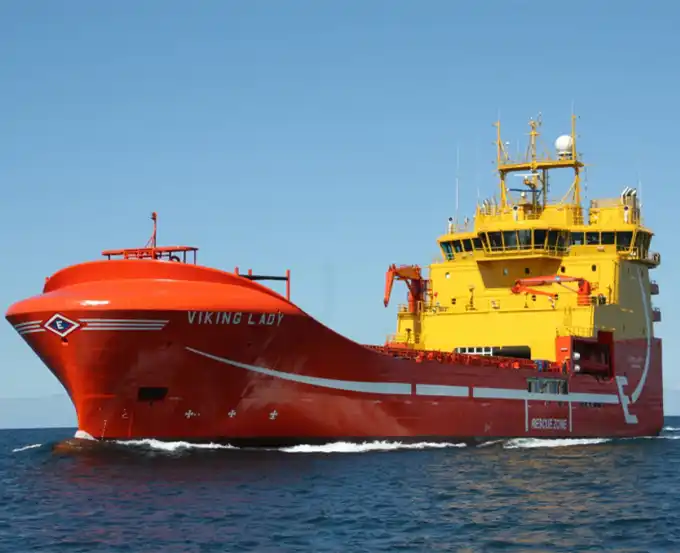
The “FellowSHIP” fuel cell marine system demonstration project, funded by Norway, introduced the Viking Lady, an offshore supply vessel equipped with a 320kW fuel cell power system, in 2009. This ship, developed in collaboration with several European classification societies and companies, was the world’s first operational vessel to use fuel cell technology for onboard power generation.
In 2017, the Energy Observer, developed in France, was launched and began its global voyage. This vessel’s fuel cell uses hydrogen fuel produced by a solar and wind-powered electrolysis system, stored in tanks. The hydrogen fuel cell system powers the ship during cloudy weather, nighttime, and the initial stages of long voyages, making it the world’s first vessel capable of producing its own hydrogen.
In 2018, Canada’s Ballard Power Systems announced the development of megawatt (MW)-class proton exchange membrane fuel cell systems for marine applications, focusing on cruise ships. The plan is to provide power when the cruise ships are docked at ports or to serve as the main propulsion power when operating at sea.
In 2024, Advent Technologies and Siemens Energy signed a Joint Development Agreement (JDA) to integrate Advent’s 50kW high-temperature proton exchange membrane (HT-PEM) module, based on ion pair membrane electrode assembly (MEA) technology, with Siemens Energy’s hybrid and electric marine electrification and automation solutions. The goal is to develop a 500kW-class integrated solution for maritime applications, ranging from motor yachts and mega yachts to ferries and container/commercial ships.

PEM Fuel Cells vs Batteries: Which Applications Fit Each Technology?
PEM fuel cells and batteries are both electrochemical power technologies, but they solve different energy-storage and operating problems. The question is therefore not whether fuel cells are universally better than batteries, but which technology better matches the duty cycle of a specific application.
Battery systems store electrical energy directly and are highly effective where charging infrastructure is available, operating range is moderate, and vehicles or equipment can remain connected to a charger for sufficient periods.
PEM fuel cell systems generate electricity continuously from hydrogen stored onboard through electrochemical reactions within the stack. Understanding how PEM fuel cells work helps explain why they behave differently from battery systems in terms of energy storage, refueling, runtime, and system architecture.
| Requirement | Battery System | PEM Fuel Cell System |
|---|---|---|
| Energy source | Electricity stored in battery | Hydrogen converted to electricity |
| Energy replenishment | Charging | Hydrogen refueling |
| Short-distance duty | Often well suited | May add unnecessary system complexity |
| Long operating duration | Requires larger battery capacity | Can increase runtime through hydrogen storage |
| High-utilization operation | Charging downtime must be managed | Fast refueling can support repeated operation |
| Infrastructure requirement | Electricity and charging network | Hydrogen production, transport, and refueling |
| System complexity | Battery, thermal and control systems | Fuel cell stack, hydrogen storage and balance of plant |
For passenger vehicles used mainly for short daily trips, battery-electric systems can offer a simpler energy pathway where charging is readily available.
PEM fuel cells become more attractive when operating requirements shift toward longer range, high daily utilization, short refueling windows, or applications where adding more battery capacity significantly increases system mass or packaging requirements.
This is one reason fuel cell development is often discussed in relation to heavy-duty road transport, rail, marine systems, and other applications with demanding operating schedules.
Hybrid architectures are also possible. A PEM fuel cell can provide sustained energy while a battery handles transient power demand, regenerative braking, or short-term load changes. The appropriate architecture depends on the operating profile rather than on a single efficiency or energy-density value.
The practical technology choice should therefore consider the complete system: energy source, infrastructure, operating hours, refueling or charging time, packaging, lifetime, cost, and maintenance.
What Limits PEM Fuel Cell Deployment?
The technical ability to use a PEM fuel cell does not automatically make it the best solution for an application. Commercial deployment also depends on hydrogen availability, infrastructure, system cost, durability, and operating conditions.
Hydrogen Infrastructure
PEM fuel cells require a reliable hydrogen supply. For mobility applications, this also means access to suitable refueling infrastructure.
A technically capable fuel cell vehicle or rail system has limited practical value if hydrogen cannot be supplied at the required location, pressure, volume, and cost. Infrastructure therefore needs to be evaluated together with the fuel cell system rather than as a separate issue.
System Cost
The fuel cell stack is only one part of the total system.
A complete PEMFC system may also require:
- hydrogen storage,
- air supply,
- humidification,
- thermal management,
- pumps and valves,
- sensors and controls,
- power electronics.
The economic case must therefore be evaluated at system level rather than by comparing stack cost alone.
Durability and Duty Cycle
Different applications place very different demands on PEMFC durability.
Passenger vehicles experience frequent load changes and start-stop operation. Heavy-duty transport can require long periods at higher loads. Marine and stationary applications may operate for extended periods with fewer shutdowns.
These operating profiles affect catalyst degradation, membrane durability, bipolar plate performance, sealing performance, thermal cycling, and water management. Because bipolar plates simultaneously influence electrical conduction, gas distribution, heat transfer, water management, and stack compression, their design can directly affect long-term stack reliability.
Environmental Conditions
Temperature, humidity, vibration, contaminants, and exposure conditions can also determine whether a PEMFC architecture is practical.
Cold-climate applications, for example, require specific strategies for water removal, freezing prevention, and cold start. Marine environments may place greater emphasis on corrosion protection and system safety.
Application selection should therefore consider both the advantages of PEM fuel cells and the environment in which the stack must operate.
Conclusion
The above sections detail the practical applications of proton exchange membrane fuel cells across vehicles, rail transportation, marine systems, and other demanding power scenarios. As PEMFC applications expand, stack designers must balance power density, durability, flow distribution, corrosion resistance, thermal management, and manufacturing cost.
For OEM fuel cell projects, TMNetch manufactures custom metal bipolar plates with precision-etched flow fields for PEM fuel cell stack development and production.
If you are developing a PEMFC stack, submit your bipolar plate drawing for manufacturing review with the material, thickness, plate dimensions, flow-field geometry, tolerance requirements, coating requirements, and expected production volume.