
Metal mesh filters remove particles from air, gas, liquids, powders, and process materials. They can protect equipment, control particle size, support fluid flow, or prevent foreign objects from entering a system.
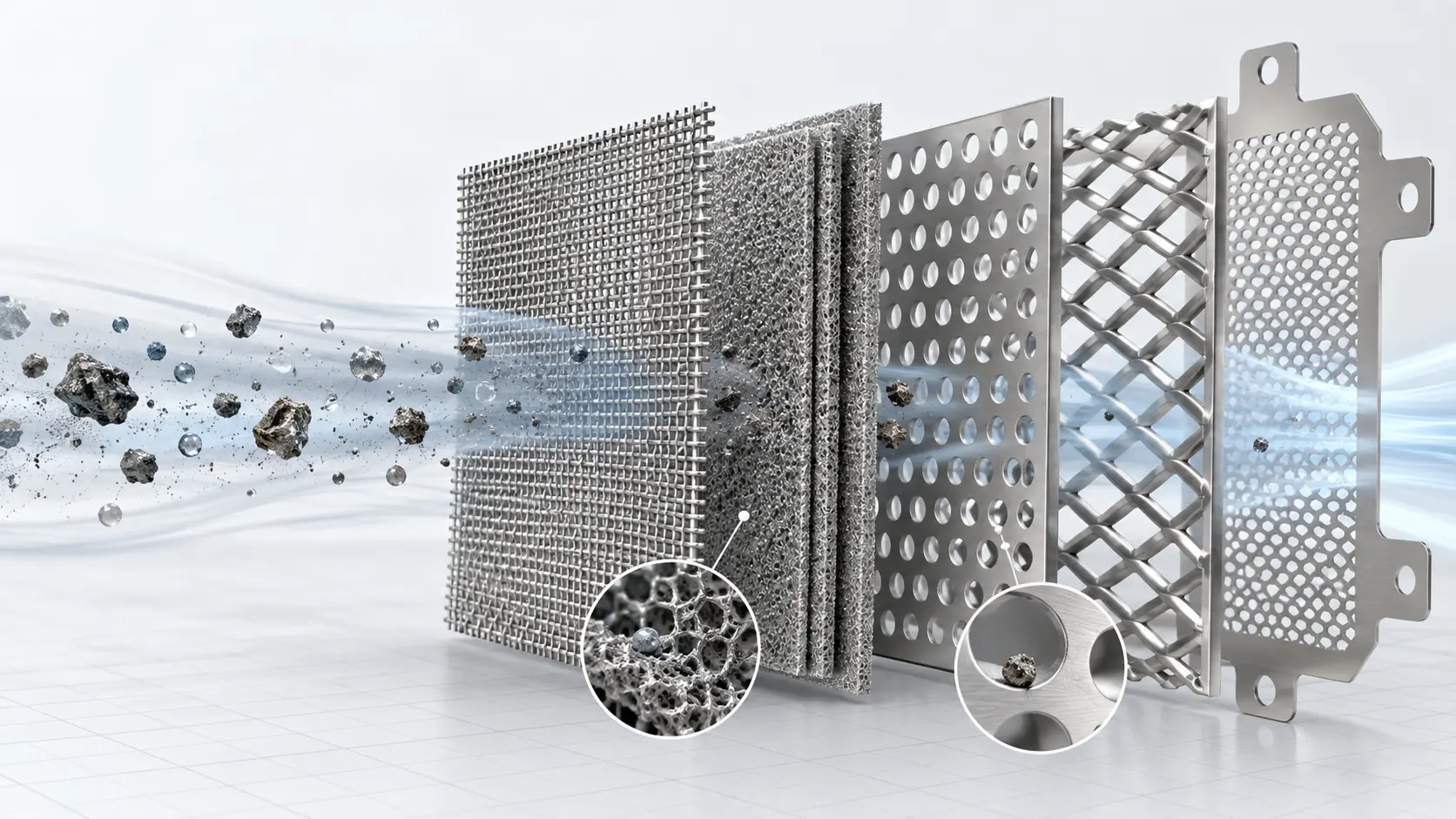
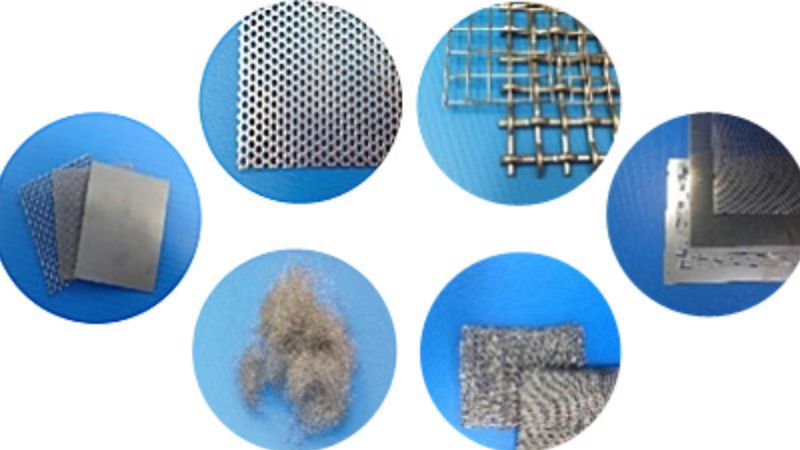
However, not every metal mesh filter uses woven wire. A filter may use woven mesh, sintered layers, perforated sheet, expanded metal, or a photo-etched metal foil. Each structure offers different levels of precision, strength, flow capacity, and design flexibility.
Selecting the right filter requires more than choosing a mesh count. Engineers should also consider aperture size, open area, material, thickness, pressure drop, operating environment and installation method. Use this metal mesh filter material guide to compare stainless steel, aluminum, copper, nickel, titanium and other options.
This guide explains the main metal mesh filter types and the factors that affect filter selection.
Key Takeaway
A metal mesh filter should be selected by the application—not by mesh count alone. Woven mesh suits standard filtration, sintered mesh provides rigidity and stable pore structure, perforated mesh supports larger openings and thicker sheets, expanded metal suits coarse screening and support, while photo-etched mesh offers precision apertures and integrated design features.
- Define the operating need: filtered medium, target particle size, flow rate, pressure drop, temperature, corrosion exposure and cleaning method.
- Specify the geometry: for woven mesh, evaluate mesh count together with wire diameter and aperture. For perforated and photo-etched filters, specify finished aperture, pitch, sheet thickness and open area.
- Check design fit: photochemical etching can suit thin flat filters with complex apertures, custom profiles or integrated mounting features, but feature size, side etching and structural support must be reviewed.
- Prepare the RFQ data: material grade, thickness, aperture, pitch, open area, dimensions, quantity and installation requirements help suppliers complete DFM review and quotation.
What Is a Metal Mesh Filter?
A metal mesh filter is a screening or filtration component made from metal wire, porous metal layers, or a metal sheet with controlled openings.
The filter allows the required air or fluid to pass through while blocking particles above a selected size. Depending on the structure, it may provide surface filtration, multi-layer filtration, equipment protection, or basic flow control.
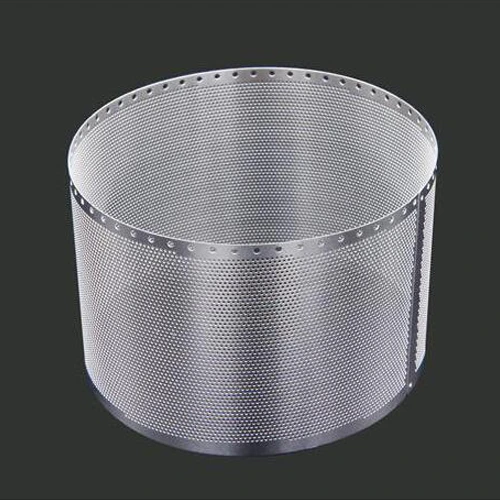
Metal filters are available as:
- Flat screens
- Discs
- Tubes
- Cylinders
- Cones
- Baskets
- Framed assemblies
- Formed or welded components
Some designs use standard mesh rolls. Others require a custom metal mesh filter with a fixed outer profile, controlled aperture pattern, mounting tabs, locating holes, or an integrated support frame.
How Do Metal Mesh Filters Work?
The working process of a metal mesh filter involves using a network of small wires. These wires are designed to trap particles of liquid, gas, and air dust. However, you need to understand how these filters work. Here is a detailed overview to determine how well its filters are.
Mesh Structure
The filtering structure depends on the filter type. Woven filters use intersecting wires, while perforated and photo-etched filters use controlled openings in a solid metal sheet. Sintered filters may combine several porous or woven layers. The opening size determines which particles can pass through the filter. For woven wire filters, engineers should evaluate mesh count, wire diameter, aperture and open area. Use our mesh filter size guide for basic selection steps and a mesh-to-micron reference. Photo-etched and perforated filters should instead be specified by finished aperture size, pitch, sheet thickness and open-area percentage. Smaller openings deal with finer particles, and larger openings allow heavier flow.
Filtration Process
After the filter structure is produced, air or liquid passes through its openings while particles larger than the target aperture are retained. Unlike woven wire mesh, a photo-etched filter is manufactured from a solid metal sheet. This allows the aperture pattern, outer profile, mounting holes and tabs to be produced together. See how photochemical etching is used to manufacture metal filter mesh. The fabricators pass the liquid or air through the mesh. Solid particles get trapped in the gaps, and clean fluid continues through. The process depends on mesh size, wire thickness, and flow speed. Metal mesh filters are designed to handle high flow rates without losing work efficiency.
Reusability
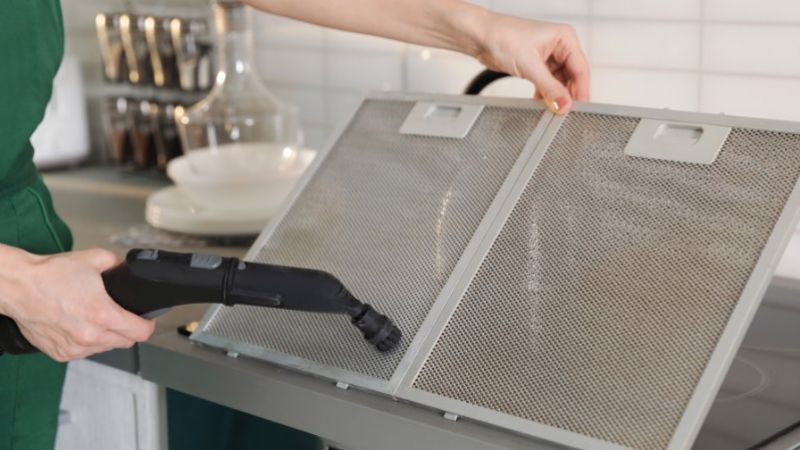
Many reusable metal mesh filters can be cleaned with water, compressed air, mild detergent, or a compatible cleaning solution. The correct method depends on the filter material and the contaminant. Cleaning methods should be matched to the filter material, contaminant, surface finish and equipment requirements. Follow this metal mesh filter cleaning guide for general maintenance steps, but confirm the final procedure with the equipment or filter manufacturer. You can also use chemical solutions to clean the filters. This reduces waste and saves money over time. These types of filters are made to maintain performance after many cleanings.
Durability Under Pressure
The industrial engineer selects high-quality materials to ensure durability. Pressure resistance depends on the filter structure, material, thickness, unsupported area, joint design and mounting method. Thin precision screens may require a frame or support layer when exposed to significant differential pressure. The metal wires resist bending under heavy industrial use. This makes them suitable for engines, oil and gas systems, and chemical processing equipment.
Metal Mesh Filter Materials
Material selection affects corrosion resistance, weight, strength, temperature performance, conductivity, cleaning methods, and price.
Stainless Steel
Stainless steel is a common choice for industrial metal mesh filters. It provides a useful balance of strength, corrosion resistance, availability, and cleanability.
Grade 304 suits many general environments. Grade 316 contains molybdenum and is often considered when the filter faces chlorides, salt, or more corrosive fluids.
Learn more about grades and manufacturing options in this guide to stainless steel filter mesh.
Nickel
Nickel offers good corrosion resistance, heat resistance, and electrical conductivity. It can support filters used in electronic, chemical, battery, and high-temperature systems.
The exact nickel grade should match the operating fluid and temperature.
Brass
Brass provides good conductivity, formability, and visual appearance. It is commonly used in electronics, appliances, decorative screens, and light industrial components.
Brass may not suit every corrosive or food-contact environment, so buyers should confirm material compatibility.
Titanium
Titanium offers high corrosion resistance with a low weight. It is useful in marine, medical, aerospace, and chemical environments.
Its material cost is higher than common stainless steel, so it is normally selected when its specific properties provide a clear benefit.
Aluminum
Aluminum is lightweight and easy to handle. It also provides useful thermal conductivity and can reduce component weight.
Its corrosion performance depends on the alloy, surface treatment, and working environment. This aluminum mesh filter guide explains the main types in more detail.
Five Main Types of Metal Mesh Filters
The best filter structure depends on the required opening size, strength, flexibility, shape, volume, and operating conditions.
1. Woven Wire Mesh Filters
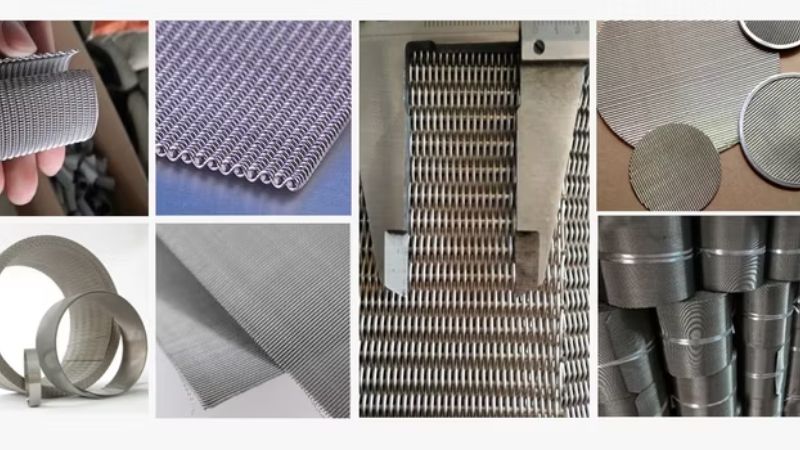
Woven wire mesh uses metal wires arranged in horizontal and vertical directions. The wire diameter and weaving pattern control the opening size and physical strength.
Common weave types include plain weave, twill weave, and Dutch weave. Standard woven mesh is widely available and can be cut, formed, framed, or assembled into filter components.
Main advantages:
- Many standard mesh sizes
- Good flexibility
- Suitable for flat or formed filters
- Available in many metal grades
- Practical for general screening and filtration
Main limitations:
- Individual wires may move under deformation
- Cut edges may require framing or welding
- Complex outer profiles need secondary processing
- Integrated tabs and mounting features are difficult to add
- Mesh count alone does not define the exact aperture
Woven wire mesh is often used in general industrial filters, strainers, ventilation screens, and fluid systems.
2. Sintered Metal Mesh Filters
Sintered metal mesh usually combines several woven layers. Heat and pressure bond the layers into a rigid structure.
Different layers can perform different functions. One layer may control filtration, while other layers provide strength, drainage, or protection.
Main advantages:
- Stable pore structure
- Higher rigidity than a single woven layer
- Suitable for repeated cleaning
- Can support demanding pressure conditions
- Available in multi-layer structures
Main limitations:
- Higher material and processing cost
- More complex manufacturing
- Greater filter thickness
- Cleaning may be more difficult after deep contamination
- Not always necessary for simple surface screening
Sintered filters are often considered for chemical processing, oil systems, gas handling, hydraulic equipment, and high-pressure applications.
3. Perforated Metal Filters
Perforated metal filters use holes created in a solid metal sheet. Mechanical punching is one of the most common production methods.
Round holes are common, but square, slot, and other standard shapes may also be available. Perforated sheet can provide a stronger and more rigid structure than fine woven wire.
Main advantages:
- Good structural strength
- Suitable for thicker sheet
- Stable outer dimensions
- Practical for larger holes
- Cost-effective for repeat high-volume designs
Main limitations:
- Hard tooling may be required
- Small or closely spaced holes can be difficult
- Tool wear can affect hole quality
- Mechanical processing can create burrs
- Design changes may require new tooling
Perforated filters are often used for coarse filtration, equipment guards, screens, ventilation covers, and support layers.

4. Expanded Metal Filters
Expanded metal starts as a solid sheet. The manufacturer cuts and stretches it to form diamond-shaped or similar openings.
The process creates an open structure without punching separate holes from the sheet. The metal remains connected across the part.
Main advantages:
- Strong continuous structure
- Good rigidity
- Low material waste
- Useful as a support layer
- Suitable for ventilation and protection
Main limitations:
- Limited opening shapes
- Lower aperture precision
- Surface may not be completely flat
- Not suitable for many fine-filtering applications
- Openings may change with stretching conditions
Expanded metal is normally used for coarse screens, supports, guards, ventilation panels, and protective filter layers.

5. Photo-Etched Metal Mesh Filters
Photo-etched filters are made from flat metal sheet or foil. A patterned photoresist protects selected areas while an etchant removes the exposed metal.
This method can form the filter openings and the outer profile during the same production process. It can also add mounting holes, tabs, slots, identification marks, and different opening patterns.
Main advantages:
- No conventional hard tooling
- No mechanical punching force
- Burr-free etched edges
- No heat-affected zone
- Complex and repeated hole patterns
- Fixed openings within a solid sheet
- Fast design revisions
- Multiple features in one flat component
Main limitations:
- Feature size depends on material thickness
- Thick sheet may limit small apertures
- Side etching must be considered
- Standard woven mesh may cost less for simple designs
- Forming, welding, or frames may require secondary work
For precision etched filters, aperture size, spacing, material thickness, web width, positional accuracy, and side etching should be reviewed together. Use the photochemical etching tolerances and design limits guide before finalizing a custom filter drawing.
Photo etching is well suited to thin precision screens with custom apertures, complex outer profiles, mounting holes, or integrated tabs. Engineers evaluating this manufacturing route can review TMNetch’s photochemical etching capabilities before selecting the final geometry and production process.
Key Advantages of Metal Mesh Filters in Various Industries
Many metal mesh filters can be cleaned and reused. This can reduce replacement frequency and long-term material waste.
Cleaning methods may include rinsing, compressed air, ultrasonic cleaning, mild detergent, or a compatible chemical solution. The correct method depends on the material, surface finish, contaminant, and equipment requirements.
Heat and Environmental Resistance
Metal filters can operate in conditions that may damage paper or some polymer filter media.
Actual temperature and corrosion limits depend on the selected metal grade, joint design, coating, and working fluid.
Stable Geometry
A properly designed metal filter can maintain a controlled shape during handling and assembly.
Rigid sheet filters are especially useful when the product needs a fixed aperture pattern, solid border, or accurate mounting location.
Custom Integration
A custom filter can combine screening and mechanical functions in one part.
For example, the design can include openings, mounting holes, tabs, frames, logos, and alignment features. This can reduce the number of separate parts in an assembly.
Common Metal Mesh Filter Applications
Automotive Systems
Metal mesh filters can protect pumps, valves, sensors, injectors, ventilation openings, and fluid-control components.
Custom etched screens can also fit small assemblies that need accurate outer dimensions, mounting features, or repeatable apertures.
The final design must match the working fluid, temperature, vibration, pressure, and contamination level.
Electronics and Electrical Equipment
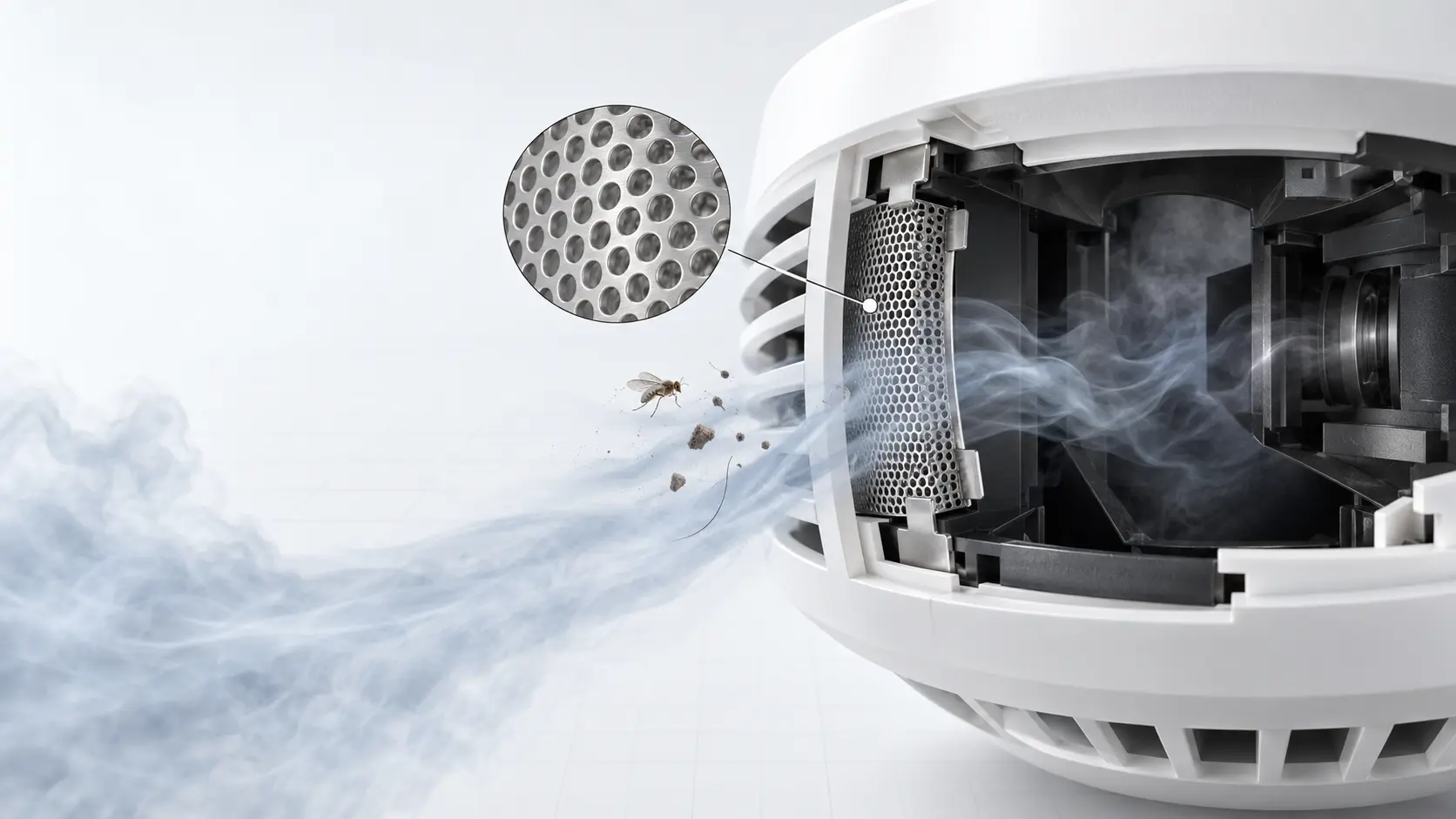
Metal screens are used in speakers, microphones, sensors, smoke alarms, printers, cooling systems, and household appliances.
They can block dust, insects, fibers, and other foreign objects while allowing air, sound, light, or fluid to pass.
Some applications also benefit from the conductivity of the metal.
Medical and Laboratory Equipment
Medical and laboratory products may require small apertures, clean edges, light weight, or precise mounting features.
Potential applications include fluid-control screens, instrument components, test sieves, protective covers, and small filter discs.
Material, cleanliness, validation, and regulatory requirements must be reviewed for each medical project.
Food and Beverage Equipment
Metal filters are used in coffee machines, tea strainers, juicers, beverage systems, food-processing equipment, and powder sieves.
Stainless steel is commonly considered because suitable grades can provide corrosion resistance and support repeated cleaning. Buyers evaluating grades, aperture methods and production options can review this stainless steel filter mesh guide.
Food-contact suitability still depends on the exact grade, surface condition, production process, and local requirements.
Aerospace and Precision Instruments
Aerospace and precision equipment often need low weight, accurate dimensions, and stable performance.
Photo-etched screens can support small fluid passages, sensor protection, optical components, and lightweight precision assemblies.
Projects should define traceability, inspection, material certification, and tolerance requirements before production.
Industrial Equipment
Industrial applications include pumps, valves, nozzles, gas systems, oil systems, ventilation openings, and machine protection.
The filter may perform fine screening, coarse particle protection, airflow control, or support for another filter medium.
TMNetch—Great Supplier That Offers Metal Mesh Filter Solutions
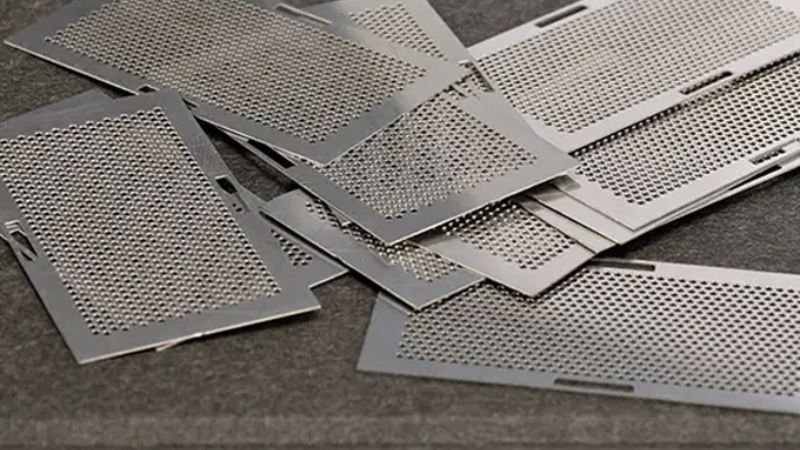
TMNetch manufactures custom flat-sheet metal filters and screens using photochemical etching. The process can integrate apertures, outer profiles, mounting holes, tabs and identification features without conventional hard tooling. It is most suitable for thin parts that require repeatable patterns or complex outlines. Review our custom metal mesh filter capabilities before submitting a drawing for DFM evaluation.
The company provides a wide range of materials and mesh sizes. You can take solid information on thickness, hole size, and finishes. This ensures the filter matches both performance and application requirements.
For systems that prioritize low weight and easy handling, buyers can compare the main aluminum mesh filter types. Final suitability still depends on aperture, strength, operating environment and cleaning method.
When comparing suppliers, buyers should review material experience, aperture consistency, tolerance control, prototyping support, inspection methods, production capacity and secondary processing. Use this mesh filter manufacturer selection guide to prepare a consistent supplier checklist.
FAQs
How strong is metal mesh?
The engineers design the mesh filters with high-quality and durable materials. The mesh filter resists bending, tearing, and high heat or pressure. It can handle heavy loads and air pressure. So, the mesh filter is a reliable choice for industrial, building, and speaker applications.
Final Thoughts
To conclude, metal mesh filters are used in various industries for different purposes. The basic design of the filters ensures that the dust, dirt, and fine particles are filtered with great accuracy. They protect equipment, improve performance, and save costs in the oil or gas industries.
Selecting the right metal mesh filter requires more than choosing a mesh count. Buyers should define the filtered medium, target particle size, flow rate, pressure, operating temperature, material compatibility, aperture geometry, and cleaning requirements. For a custom project, submit your metal mesh filter drawing for manufacturability review with the material grade, thickness, finished aperture size, pitch, open area, quantity, operating medium, and installation requirements.