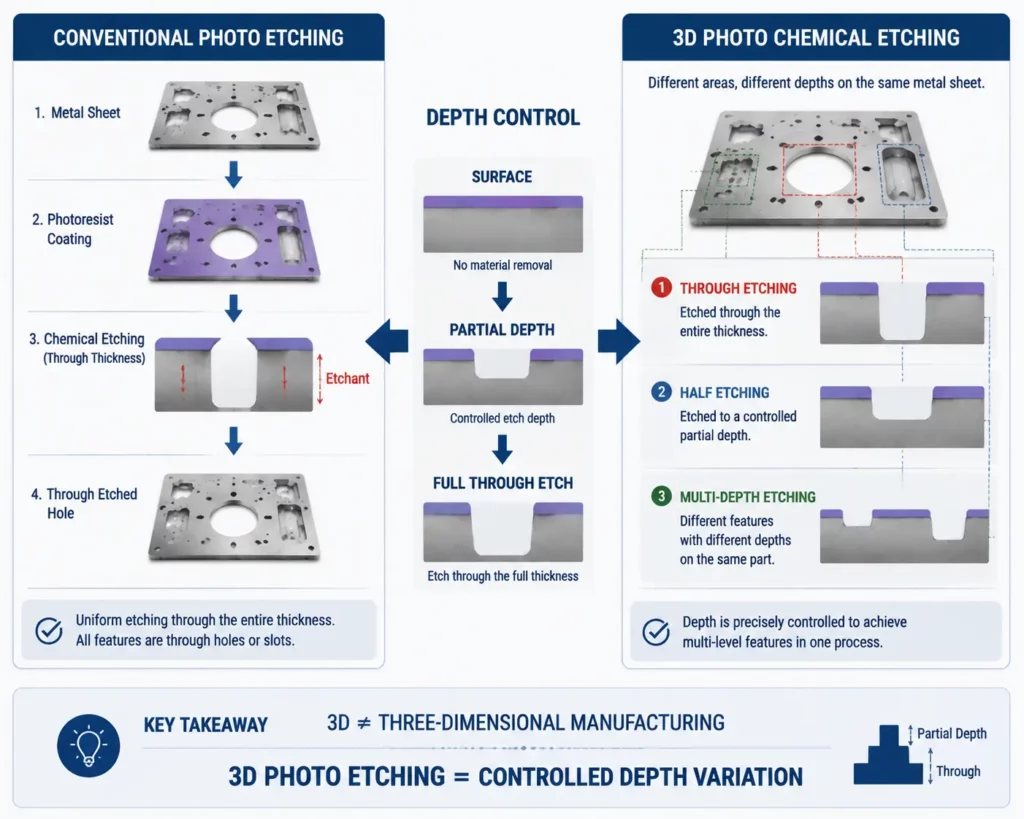
The word “3D” can be misleading. In this context, it describes depth variation within a sheet. It does not mean that the process can produce any complete three-dimensional shape in the same way as 3D printing or CNC machining.
This article explains how 3D photo chemical etching works, the features it can create, its main benefits, common uses, and important limitations.
What Is 3D Photo Chemical Etching? 3D photo chemical etching, also called multi-depth photo etching or controlled-depth etching, is a form of photochemical machining (PCM)
Standard photo etching often removes metal through the full thickness of a sheet. This creates outside profiles, holes, slots, screens, and other flat features. Multi-depth etching removes only part of the thickness in selected areas while other areas may be etched through completely.
The result is still mainly a sheet-based metal component. However, its surface can contain different levels or depths that add functional details.
Why Is It Called “3D” Etching? A conventional flat profile is defined mainly by its length and width. Controlled-depth etching adds depth as another design variable. This is why the process is often described as “3D” photochemical etching.
The term does not mean that the finished component must be a thick or fully formed 3D part. Instead, it refers to features that extend below the original surface of the sheet.
Feature type What the process creates Through-etched feature Metal is removed through the full sheet thickness Half-etched feature Only part of the sheet thickness is removed Multi-depth feature Different areas are etched to different depths Double-sided feature Patterns are etched from one or both sides of the sheet
What 3D Photo Etching Is Not 3D photo chemical etching is not the same as metal 3D printing. It does not build a part layer by layer. It also does not cut deep pockets, threads, bosses, or complex curved surfaces like CNC machining.
The process is best understood as controlled surface relief in sheet metal. It can add depth and function to a flat component, but it cannot create every three-dimensional geometry.
How Does Multi-Depth Photo Chemical Etching Work? Multi-depth etching uses the same basic principles as the standard photo etching process . The main difference is that the artwork and etching stages must control which areas are etched through and which areas are only partly etched.
1. Define the Feature Depths The design identifies the outside profile, through-holes, channels, recesses, bend lines, markings, and other required features. It must also show which side of the sheet each feature belongs to.
Depth cannot be reviewed by itself. The starting thickness, required remaining thickness, feature width, and distance from nearby through-features all affect the result.
2. Apply and Image the Photoresist A light-sensitive photoresist is applied to the metal. Ultraviolet light transfers the design from the phototool or digital artwork onto the coated sheet.
The developed resist protects the metal that must remain. Exposed areas are available for chemical removal.
3. Etch Selected Areas A controlled etchant removes the exposed metal. Through-features continue through the sheet, while partial-depth areas stop after removing only part of the material.
Some designs require more than one imaging, masking, or etching stage. The exact route depends on the number of depths, the two-sided pattern, and the relationship between the features.
4. Strip, Clean, and Inspect the Part After etching, the remaining photoresist is removed. The component is then cleaned and inspected.
Inspection may need to cover outside dimensions, opening size, channel width, etched depth, remaining thickness, and the alignment of features on opposite sides. These factors are closely related to photochemical etching tolerances and design limits . Fine or dense patterns may require optical or vision measurement.
For the complete standard process, including cleaning, coating, imaging, etching, and inspection, read the photochemical etching process and design guide .
Common Types of 3D and Multi-Depth Etched Features The value of multi-depth etching comes from the features it can add to a sheet-metal component. Several feature types can also appear in the same design.
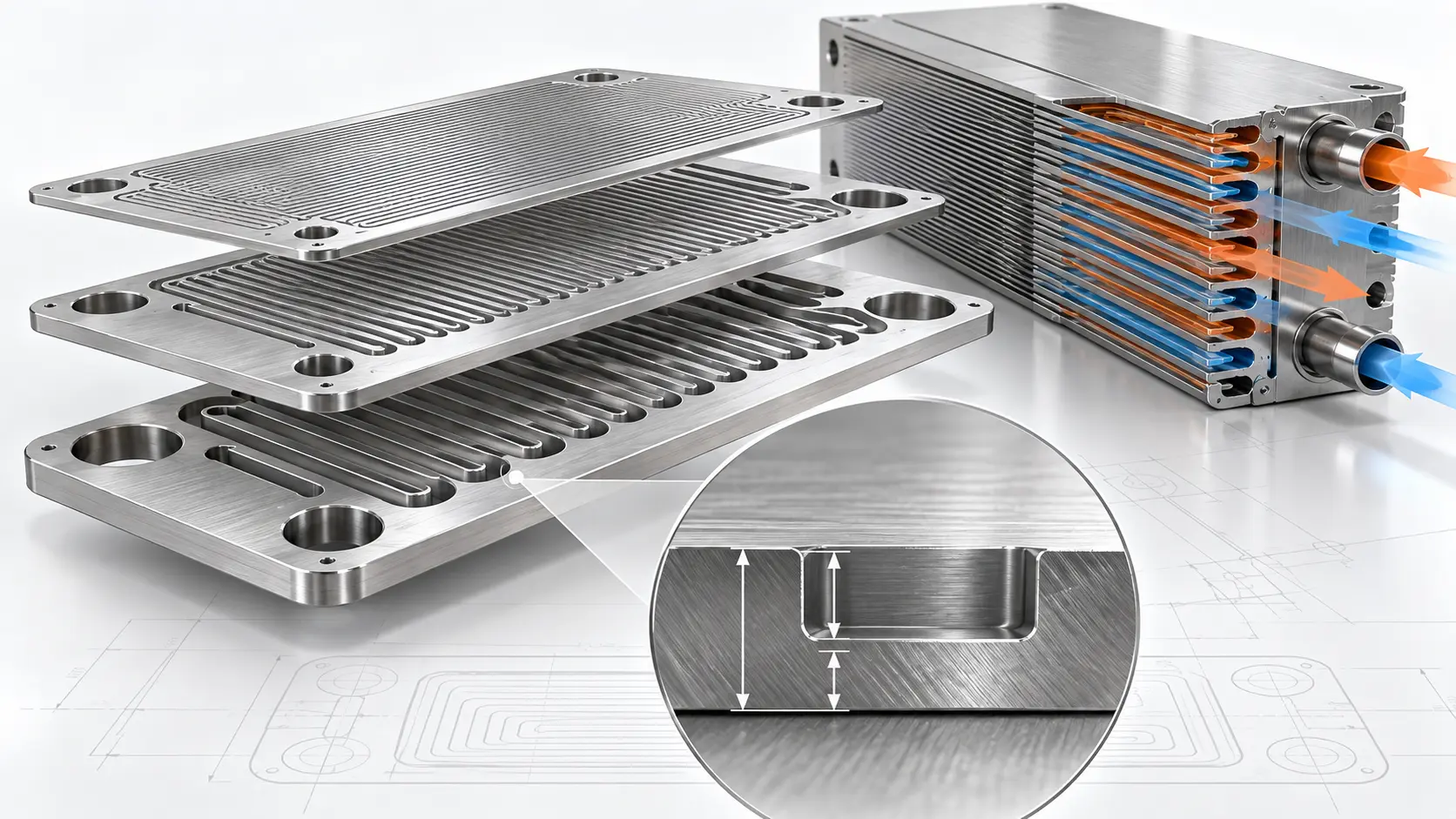
Half-Etched Channels and Recesses Half etching removes part of the metal thickness without opening a hole through the sheet. It can form shallow channels, recessed areas, relief patterns, and local pockets.
The term “half etching” does not always mean exactly 50 percent of the material thickness. The required depth and remaining thickness should be stated on the drawing and reviewed for the specific design.
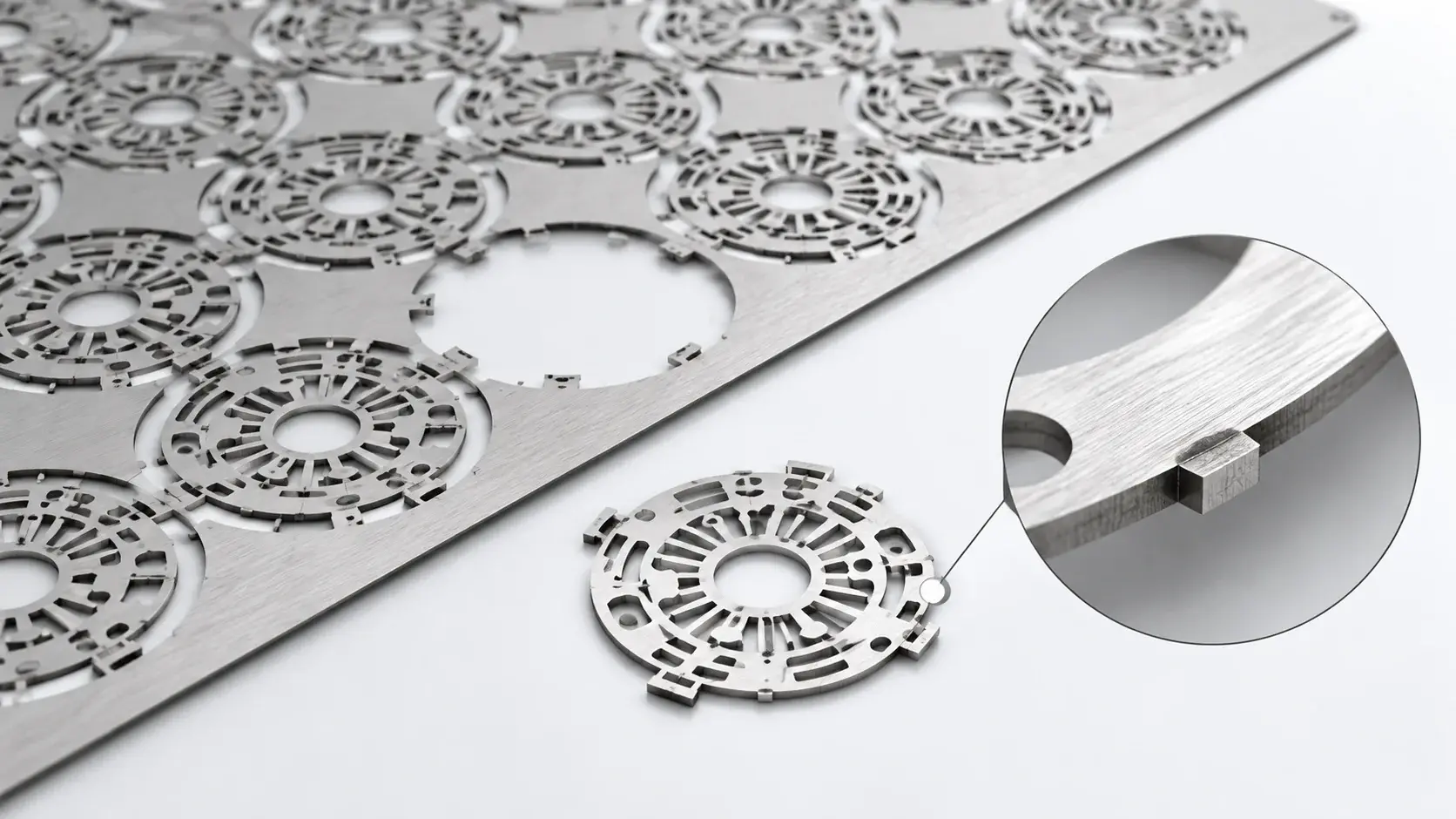
Bend and Fold Lines A partial-depth line can locally reduce the sheet thickness. This creates a visible and controlled location for a later bend or fold.
Etching forms the line, but bending remains a separate manufacturing step. Material grade, temper, thickness, bend direction, and final angle still affect the formed result.
Surface Markings and Identification Controlled shallow etching can add information without cutting through the metal. Typical examples include:
Logos
Part numbers
Alignment marks
Assembly references
Surface patterns
The drawing should separate functional depth requirements from markings that are mainly visual. This helps define the correct inspection method.
Multi-Depth Patterns A multi-depth pattern contains two or more surface levels. These levels can support different channel depths, local recesses, or combined functional and identification features.
As the number of required depths increases, process planning becomes more important. The manufacturer must review masking, depth control, undercut, remaining thickness, and inspection access.
Double-Sided and Asymmetric Features Photo etching can create patterns on both sides of a sheet. The two sides may use matching geometry or different patterns.
This approach is useful when a component needs different surface functions on each side. For example, suitable bipolar plate designs may use double-sided, asymmetric, or controlled-depth flow-channel patterns.
Alignment between the two sides is important. The final feasibility depends on material thickness, channel depth, spacing, tolerance, and the relationship between the front and back features.
2D vs 3D Photo Chemical Etching Conventional 2D photo etching and 3D photo chemical etching are not completely separate processes. They share the same photo-defined chemical-removal foundation. The main difference is whether the design only requires profiles and through-features or also needs controlled surface depth.
Aspect Conventional 2D photo etching 3D or multi-depth photo etching Main result Flat profile and through-features Partial-depth and multi-level features Typical features Holes, slots, meshes, and outside profiles Channels, recesses, bend lines, and markings Etch depth Usually through the sheet One or more controlled depths Process planning Standard artwork and etching control Additional masking and depth control may be needed Final geometry Mainly flat Still sheet-based, with surface depth variation Main design concern Feature size in relation to thickness Depth, remaining thickness, spacing, and undercut
Neither method is automatically more accurate. Achievable results depend on the material, sheet thickness, geometry, required depth, surface condition, and inspection method.
Benefits of 3D Photo Chemical Etching Multi-depth etching can add useful functions to thin metal parts when the design matches the process.
Multiple Functions in One Metal Sheet A single part can combine an outside profile, holes, channels, markings, fold lines, and recessed areas. These features are defined in the artwork and processed as part of the same overall photo-etching route.
This can reduce the need to create every feature with a separate mechanical cutting operation. Secondary forming, plating, welding, or other operations may still be required by the final assembly.
No Hard Die for the Etched Pattern Photo etching uses photo-defined artwork instead of a hard stamping die to create the etched geometry. Engineers can update the artwork when a design changes.
This makes the process useful during development and repeat production when the design may need revision. Material use, process stages, inspection, and order quantity still affect total cost.
No Mechanical Shear Burrs Chemical etching dissolves exposed metal. It does not push a punch or cutting tool through the sheet, so it avoids the mechanical shear burrs associated with some cutting and stamping operations.
However, an etched wall has a chemical edge profile influenced by undercut. It should not be described as identical to a machined vertical wall.
No Laser-Type Heat-Affected Zone The process does not use a concentrated laser beam to create the profile. It therefore avoids a laser-type heat-affected zone.
This can help with thin or delicate features where concentrated cutting heat may be a concern.
Flexible Feature Layout Holes, slots, external profiles, channels, and markings can be placed within the same artwork. Adding more repeated features does not require a separate tool movement for every opening.
Feature density still affects manufacturability. Very narrow spaces, deep recesses, and features close to an edge require careful review.
What Materials Can Be Used? Multi-depth photo etching can be considered for several metal families used in standard photochemical etching. TMNetch works with stainless steel, copper and copper alloys, nickel and nickel alloys, titanium, aluminum, and other suitable metals.
Material name alone does not determine whether a multi-depth design is feasible. Etching behavior varies by alloy, thickness, surface condition, required depth, and feature geometry.
For example, a shallow marking and a functional flow channel place different demands on depth control. A design with narrow remaining walls may also behave differently from an open recessed area in the same material.
For a broader explanation of metal families, properties, and common uses, read Photochemical Etching Materials: Types, Properties and Uses .
Common Uses of Multi-Depth Photo Etching 3D photo chemical etching is most useful when a thin metal part needs functional surface depth in addition to its outside shape and openings.
Bipolar Plates and Flow Channels Metallic bipolar plates use channels to guide gases and fluids through fuel-cell or electrolyzer systems. Photochemical etching can create fine flow-field patterns without a hard forming die.
Suitable designs may use controlled-depth, double-sided, or asymmetric channel structures. The final plate may also require cleaning, coating, welding, bonding, or inspection as part of the complete manufacturing plan.
Electronic and Lead-Frame Features Electronic components may combine fine openings, outer profiles, alignment marks, and local recesses. Lead-frame and contact designs may also use controlled-depth features when the function requires a local change in thickness or surface level.
Material temper, plating, pitch, flatness, and package requirements remain separate design considerations.
Shielding and Assembly Components An EMI/RFI shielding blank can contain ventilation openings, grounding features, identification marks, and bend lines. Photo etching can define these details before the flat blank moves to forming or finishing.
The final shielding performance depends on more than the etched geometry. Material, plating, grounding, assembly fit, and the electronic layout also matter.
Marked and Recessed Precision Components Shims, screens, sensor-related parts, and other precision metal components may require a part number, alignment mark, recessed area, or surface pattern. Controlled-depth etching can add these features without cutting through the full sheet.
Not every marking requires multi-depth processing. The required appearance, depth, durability, and inspection method should match the function.
Parts with Bend or Fold Locations Thin metal parts may need etched bend lines before they are formed into brackets, covers, frames, or model and assembly details. The etched line identifies and locally modifies the bend location.
The forming operation must still be developed for the material and final geometry. Photo etching creates the feature but does not replace bending.
Limitations of 3D Photo Chemical Etching 3D photo chemical etching is not suitable for every component. Understanding its limits helps prevent unrealistic designs and incorrect comparisons with full 3D manufacturing processes. For additional details, review the limitations of photochemical etching .
It Remains Mainly a Thin-Sheet Process Photochemical etching works best with metal sheet and foil. As the material becomes thicker, etch time, undercut, feature size, and edge geometry become more difficult to control.
Thick structural parts may be better suited to CNC machining, laser cutting, waterjet cutting, forming, or another manufacturing route.
Etch Depth Is Limited by the Starting Thickness A recess can only remove part of the available material. The design must leave enough metal for strength, flatness, handling, and final function.
Deep features become more difficult as the required depth approaches a large share of the sheet thickness. Channel width and spacing also affect feasibility.
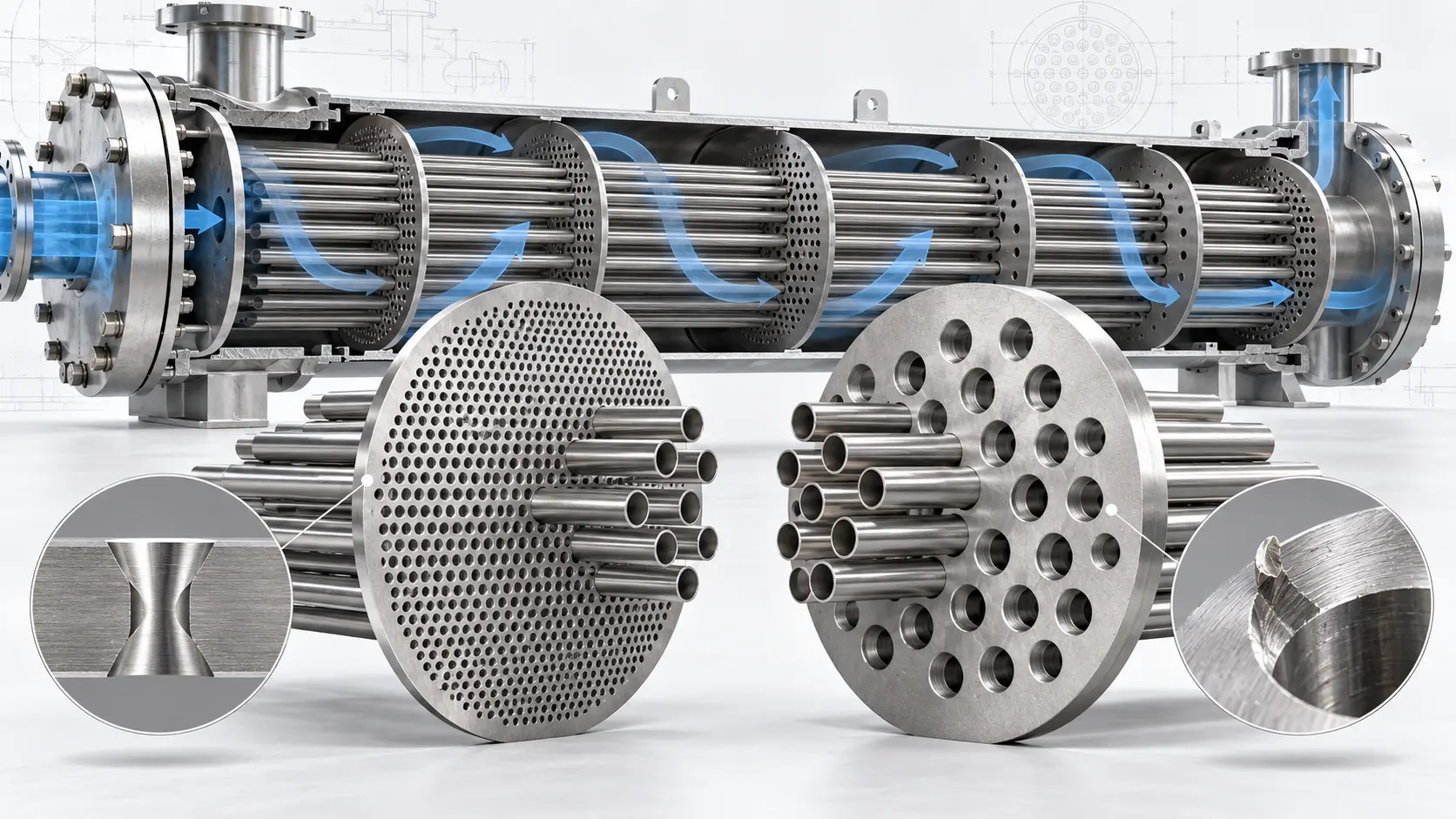
Undercut Affects the Feature Profile Chemical etching removes metal downward and sideways. The sideways removal is called undercut.
Undercut influences channel width, wall shape, internal corners, narrow webs, and the relationship between surface geometry and the bottom of a recess. It becomes more important in deep or tightly spaced features.
Perfectly Vertical Walls Are Not Typical Controlled chemical removal does not normally create the same wall form as a milled pocket. If a component needs a deep cavity with a near-vertical wall, another process may be more suitable.
True 3D Geometry Is Limited The process can create channels, recesses, markings, bend lines, and multiple surface depths. It cannot replace CNC machining for deep pockets, threads, complex curved surfaces, bosses, or thick structural forms.
Depth Requires Its Own Inspection Plan An outside dimension and an etched depth are different measurement tasks. The drawing should identify critical depths, remaining thickness, measurement locations, and acceptable variation.
Fine channels or dense patterns may need optical, vision, or other suitable inspection methods. Measurement access should be considered before production.
For more detail, read the guide to the limitations of photochemical etching .
3D and Multi-Depth Photo Etching at TMNetch TMNetch supports controlled-depth and multi-depth photochemical etching for suitable thin-sheet designs through its custom photo etching service . Relevant features can include half-etched channels, recesses, bend lines, surface markings, and double-sided patterns.
These features remain part of a sheet-based photo-etching process. They should not be interpreted as a promise to manufacture any complete 3D shape.
TMNetch also supports custom photo etching across several metal families and component types. Every multi-depth project requires a review of the drawing, material grade, thickness, feature depths, spacing, front-and-back alignment, surface requirements, and inspection needs.
For an overview of the standard manufacturing service, visit the custom photo etching service page.
FAQs About 3D Photo Chemical Etching What is 3D photo chemical etching? 3D photo chemical etching is a controlled-depth form of photochemical etching. It removes different amounts of metal from selected areas to create channels, recesses, bend lines, markings, and multi-depth surface features.
Why is it called 3D etching? It is called 3D etching because the design includes depth as well as length and width. The finished component is still usually based on a metal sheet.
Is 3D photo etching the same as 3D printing? No. 3D printing builds material layer by layer. Photo etching removes selected material from a metal sheet.
Can photochemical etching produce a fully 3D metal part? Not in the same way as CNC machining, casting, or metal 3D printing. It can create controlled-depth surface features, but it does not produce arbitrary curved surfaces, deep pockets, threads, or thick structural forms.
What is the difference between through etching and half etching? Through etching removes metal through the full sheet thickness. Half etching removes only part of the thickness and leaves metal beneath the feature.
Does half etching always remove exactly half the material thickness? No. The term commonly describes partial-depth etching. The actual required depth and remaining thickness should be specified on the drawing.
What features can multi-depth etching create? It can create channels, recesses, fold lines, bend lines, logos, part numbers, alignment marks, surface patterns, and different depth levels in the same sheet.
What materials can be used for multi-depth photo etching? Suitable designs may use stainless steel, copper and copper alloys, nickel alloys, titanium, aluminum, and other metals. Feasibility depends on the exact alloy, thickness, surface, depth, and geometry.
Does 3D photo chemical etching require hard tooling? The etched pattern uses photo-defined artwork instead of a hard stamping die. The process still requires artwork preparation, imaging, process setup, and inspection.
What limits the depth of an etched channel? The main factors include starting sheet thickness, required remaining thickness, channel width, feature spacing, undercut, material, and depth tolerance.
Can both sides of a metal sheet have different etched patterns? Yes, suitable designs can use different patterns on the two sides. Front-to-back alignment, sheet thickness, channel depth, and the spacing between features must be reviewed together.
What information is needed to review a multi-depth design? Provide the material grade, sheet thickness, drawing, required depths, critical dimensions, feature side, quantity, surface requirements, and inspection needs. Clearly distinguish through-features from partial-depth features.
Conclusion 3D photo chemical etching adds controlled surface depth to a sheet-metal component through the same principles used in professional photochemical etching services . It can create half-etched channels, recesses, bend lines, markings, double-sided patterns, and other multi-depth features while using the same basic principles as standard photochemical etching.
Its main advantage is the ability to combine several types of flat and partial-depth geometry in one photo-defined design. However, it remains a thin-sheet process. It cannot replace full 3D machining for deep cavities, curved surfaces, threads, or thick structural parts.
Material, thickness, required depth, feature spacing, undercut, and inspection all affect the final result. For a broader introduction to materials, tolerances, design rules, and process limits, read the complete Photochemical Etching: Process, Materials, Tolerances & Design Guide .
If your drawing contains half-etched channels, bend lines, recesses, or multiple depth levels, contact TMNetch for a technical review of the material, thickness, and feature relationships.