
A clogged hair dryer filter can reduce airflow, increase drying time and cause the dryer to run hotter. In most cases, you can clean it by unplugging the dryer, removing the rear filter cover, brushing away lint and dust, and washing the filter only if the manufacturer says it is washable.
This guide shows you how to clean a hair dryer filter safely in seven steps, how often to clean it, and when the mesh should be replaced.
Quick Answer
To clean a hair dryer filter, unplug the dryer and let it cool completely. Remove the rear filter cover if the model allows, brush away loose hair and lint, and clean the mesh according to the manufacturer’s instructions. Reinstall the filter only after it is completely dry.
What Is a Hair Dryer Filter Mesh and What Does It Do?
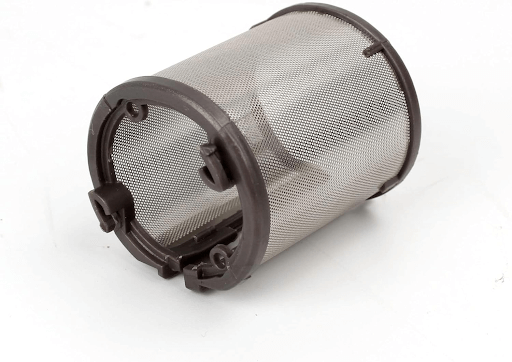
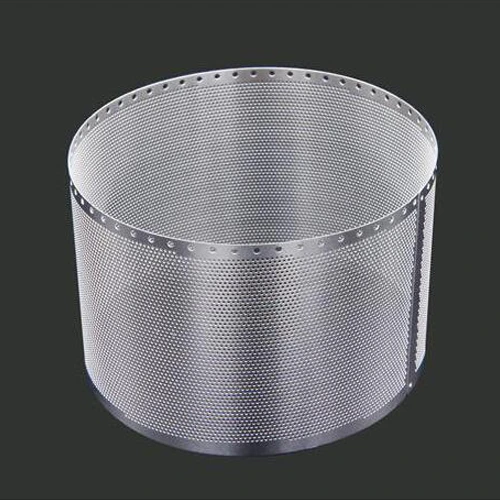
A hair dryer filter mesh is a fine screen installed over the air intake, usually at the back of the dryer. It allows air to enter while preventing dust, lint, pet hair, and other debris from reaching the motor and heating components. Depending on the dryer design, the filter may be circular or rectangular.
Common filter mesh materials include:
- Stainless steel filter mesh: Durable, corrosion-resistant, and commonly used in professional hair dryers.
- Nylon mesh: Lightweight, flexible, and often used in lower-cost models.
- Metal alloy mesh: Offers good heat resistance and a longer service life.
- Polyester mesh: Affordable, durable, and suitable for everyday household use.
For a broader comparison of filter structures, materials, and industrial uses, see this guide to metal mesh filter types and applications.
The main functions of a hair dryer filter mesh include:
- Preventing dust and hair buildup: The small openings trap larger particles before they enter the dryer.
- Protecting the motor: A clean filter allows stable airflow and reduces the risk of debris damaging internal moving parts.
- Maintaining airflow: Unobstructed air intake helps the dryer operate efficiently and deliver consistent drying performance.
- Reducing overheating: A clogged filter restricts airflow and may cause the motor and heating components to run at higher temperatures.
- Extending service life: Regular cleaning reduces strain on internal parts and may help the dryer last longer.
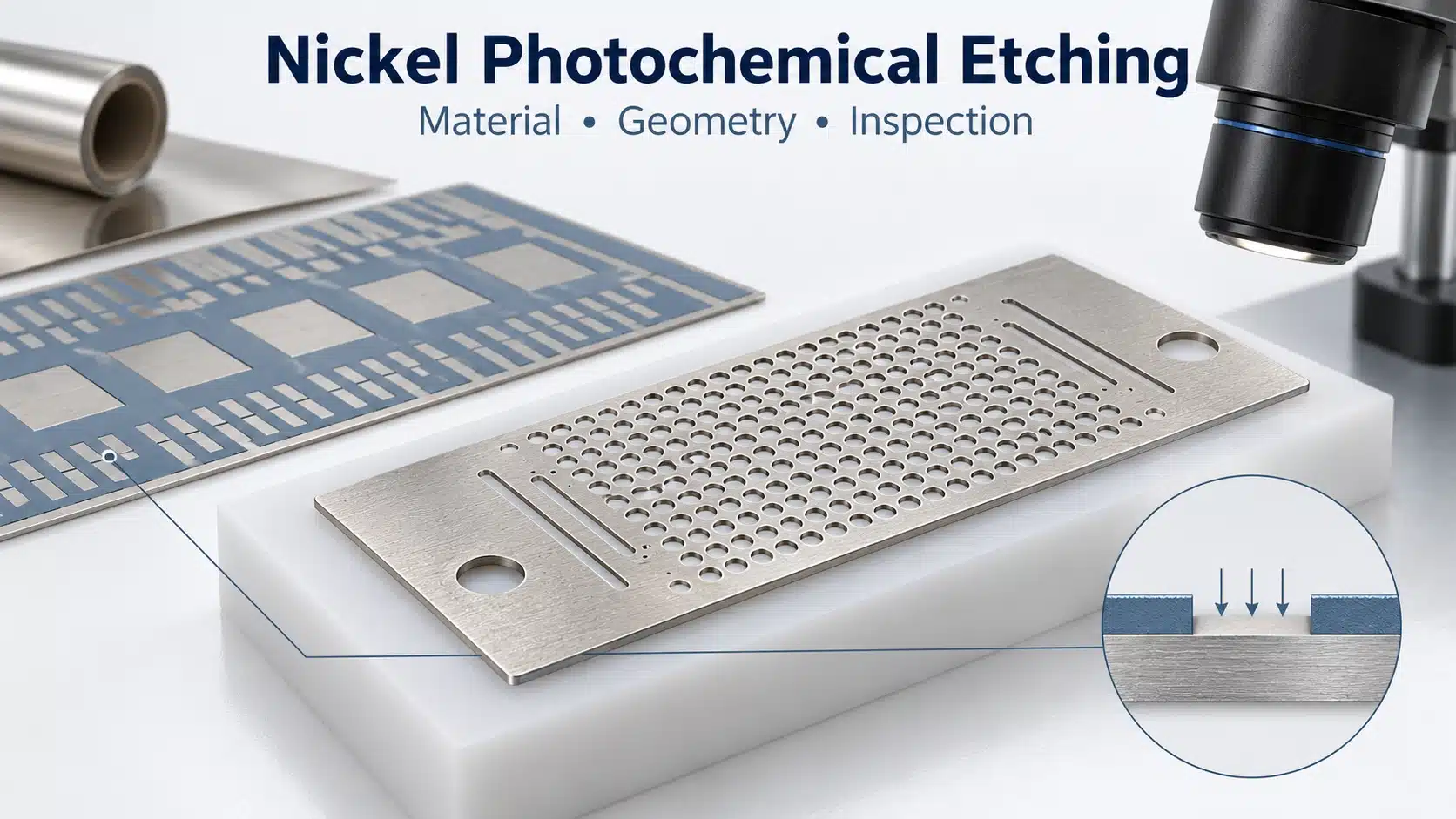
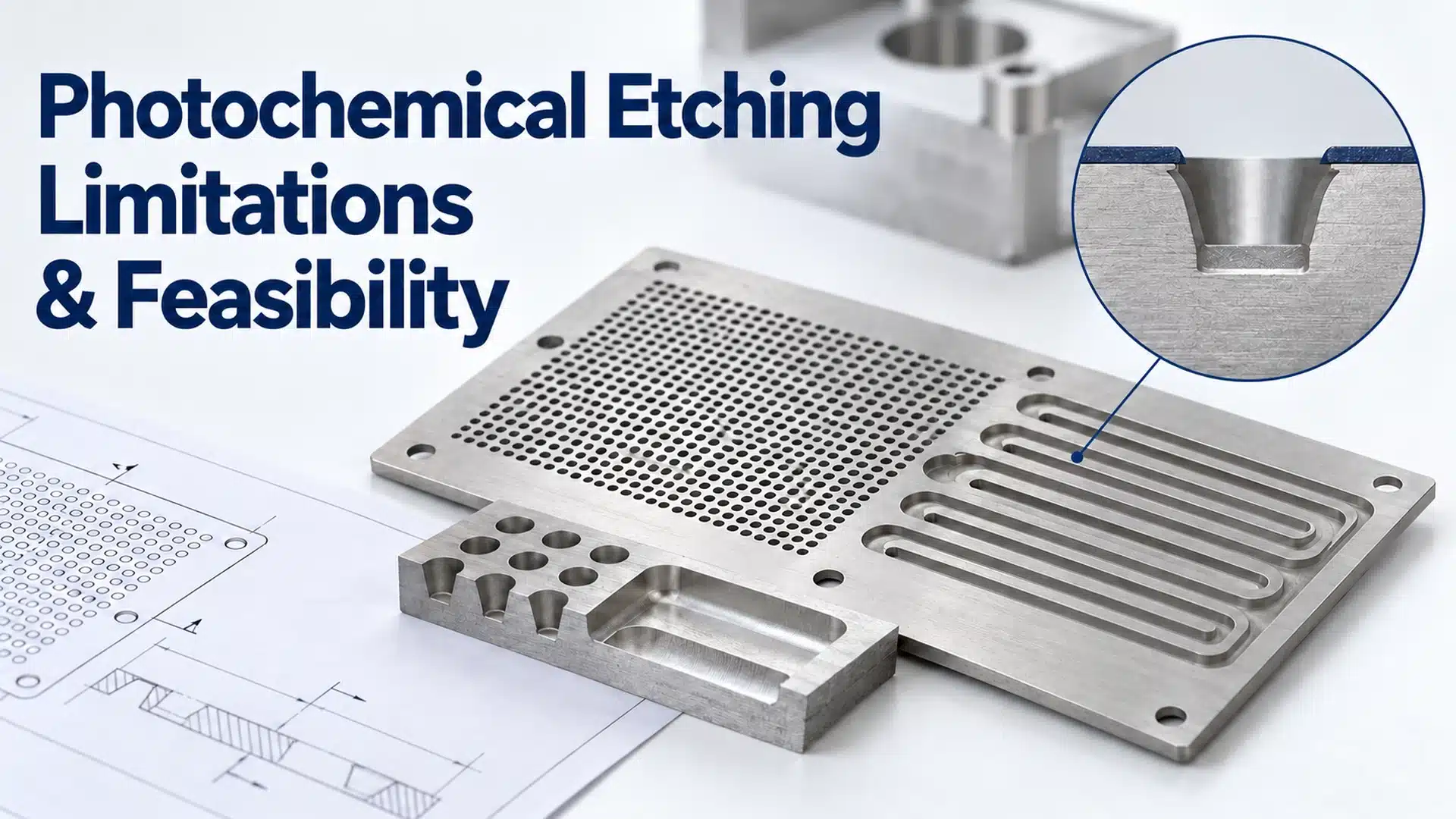
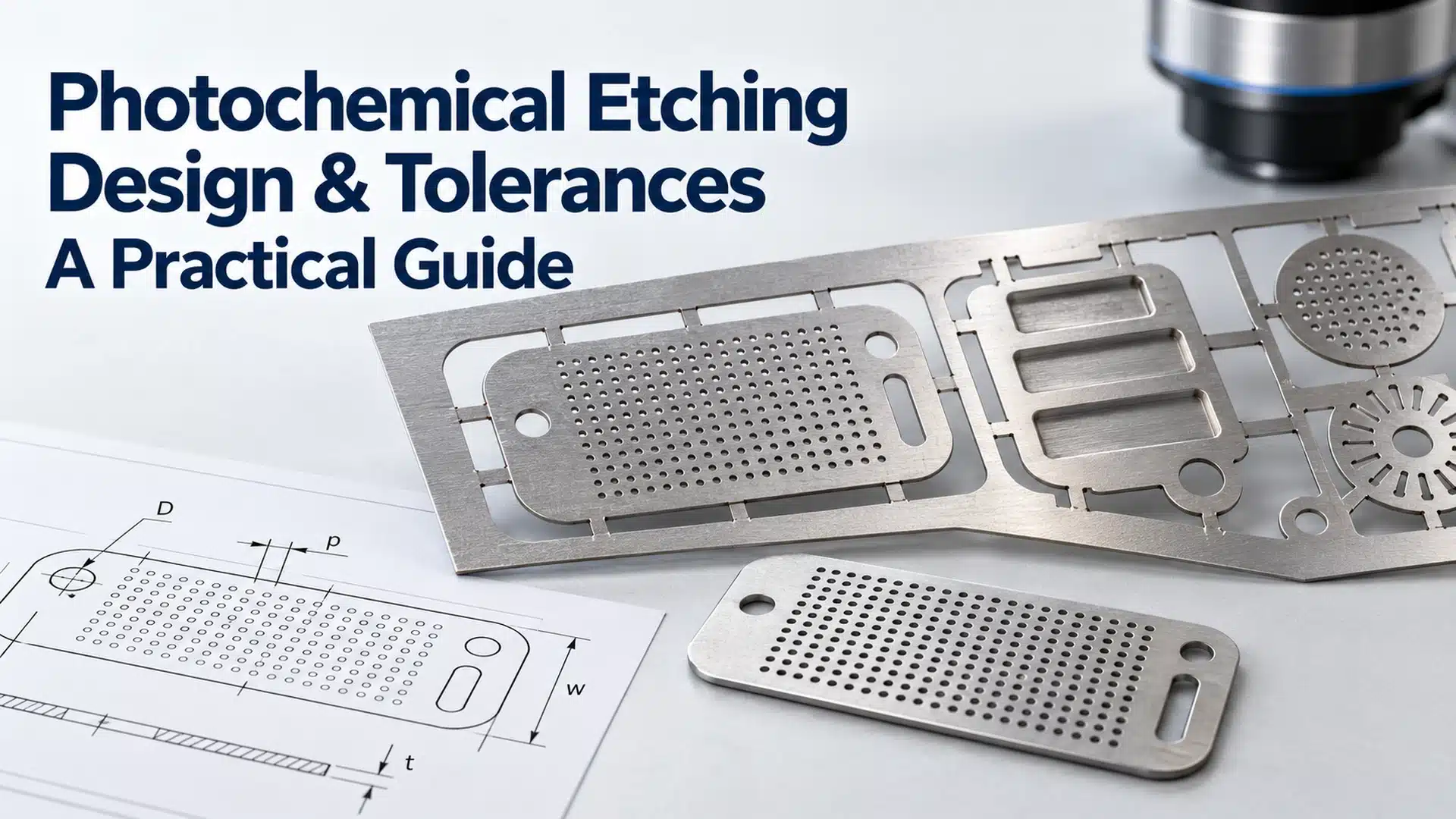
The manufacturing method also affects filter performance. For example, photochemical etching can produce repeatable aperture patterns without applying the cutting force used in conventional mechanical processes.
How to Clean a Hair Dryer Filter Step by Step
A clean filter helps maintain stable airflow and prevents dust from entering the motor and heating parts. Before cleaning, always check the product manual because filter designs and cleaning methods vary between hair dryer models.
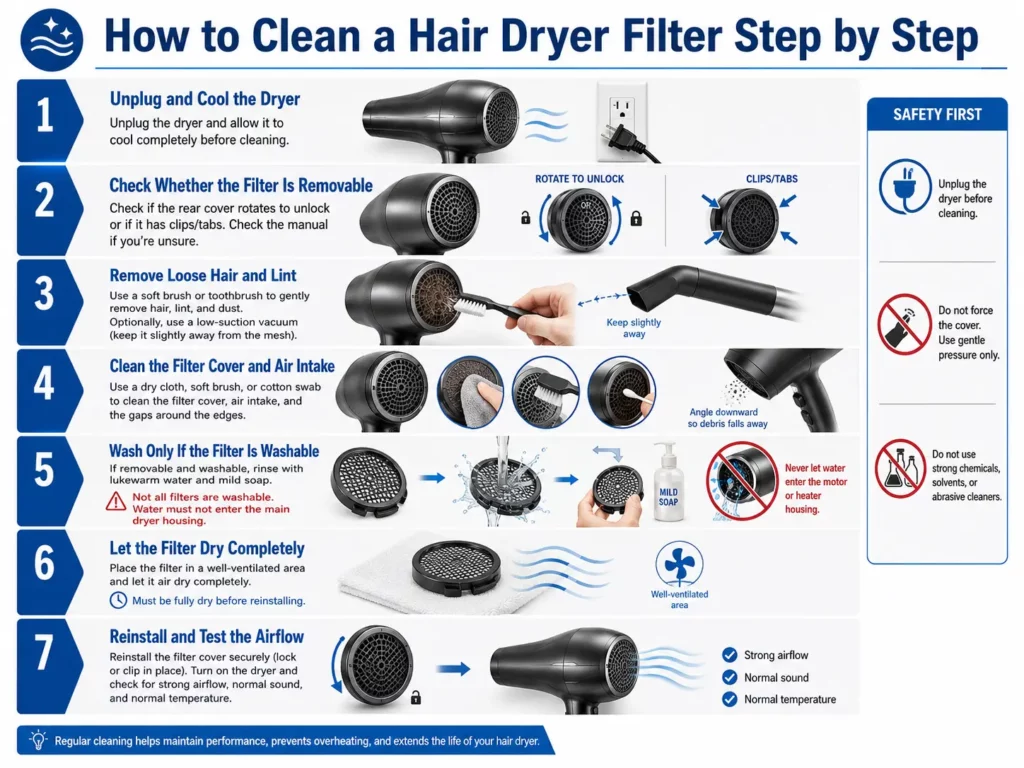
Step 1: Unplug and Cool the Dryer
Disconnect the hair dryer from the power supply before starting any cleaning work. Do not clean the filter while the dryer is connected to electricity.
Allow the dryer to cool completely. This reduces the risk of burns and prevents damage to hot internal parts.
Step 2: Check Whether the Filter Is Removable
Inspect the rear air intake and identify how the filter cover is attached. Some covers rotate and unlock, while others use clips or small tabs.
Certain hair dryers have fixed filters that cannot be removed. Do not force the cover open, as this may damage the housing or locking parts. Follow the manufacturer’s instructions for the specific model.
Step 3: Remove Loose Hair and Lint
Use a soft brush or clean toothbrush to remove visible hair, lint, and dust from the mesh. Brush gently to avoid bending or damaging the filter openings.
A vacuum cleaner with a low-suction attachment may also be used. Keep the nozzle slightly away from the mesh and avoid using strong suction on thin or flexible filters.
Step 4: Clean the Filter Cover and Air Intake
Dust can also collect around the filter cover, intake edges, and small gaps in the housing. Clean these areas with a dry cloth, soft brush, or cotton swab.
Do not push dirt deeper into the dryer. Hold the dryer with the air intake facing downward when possible so loose particles can fall away from the internal parts.
Step 5: Wash Only If the Filter Is Washable
Do not assume that every hair dryer filter can be cleaned with water. Some filters are washable, while others must remain dry.
Check the product manual before rinsing the mesh. If washing is allowed, remove the filter and clean it with lukewarm water and a small amount of mild soap. Do not use strong chemicals, abrasive cleaners, or metal brushes.
Never allow water to enter the motor, heater, cable connection, or main dryer housing.
Step 6: Let the Filter Dry Completely
Place the cleaned filter in a dry and well-ventilated area. Allow it to dry fully before reinstalling it.
Do not use the hair dryer itself to speed up the drying process. Heat may deform plastic parts or leave moisture trapped inside the mesh. Installing a wet filter may allow water to enter electrical components.
Step 7: Reinstall and Test the Airflow
Install the dry filter and cover in the correct position. Make sure all clips, tabs, or locking points are secure.
Turn on the dryer and check the airflow, sound, and operating temperature. Air should move freely through the intake, and the dryer should not produce unusual noise or excessive heat.
If airflow remains weak after cleaning, the filter may be damaged, permanently blocked, or due for replacement. The dryer may also require professional inspection.
Maintenance Tips for Hair Dryer Filter Mesh
Regular maintenance helps the hair dryer filter mesh maintain stable airflow and protect the internal motor and heating parts. A blocked or damaged filter can reduce drying performance, increase operating temperature, and place extra load on the motor.
Basic filter maintenance does not require special tools. Follow these practices:
- Inspect the filter regularly: If the hair dryer is used every day, check the filter at least once every two weeks. Hair salons and other high-use environments may require more frequent inspection.
- Remove loose debris: Clear visible hair, lint, and dust with your fingers or a soft brush. Light cleaning after each use can reduce buildup.
- Keep the air intake clear: Do not place the dryer where towels, fabrics, or other objects can block the rear air intake during operation.
- Store the dryer properly: Keep the dryer in a clean, dry, and well-ventilated location. Avoid storing it in containers with hair products, loose fibers, or dusty household items.
- Avoid dusty environments: Do not operate the dryer in areas with high levels of dust, lint, or airborne particles. These materials can block the mesh more quickly.
- Check for physical damage: Replace the filter if the mesh has tears, holes, deformation, corrosion, or permanent blockage. A damaged filter may allow debris to enter the dryer. For replacement or OEM filter design, aperture size and open area should be specified according to the required airflow and particle-retention performance; our mesh filter size guide explains the main sizing parameters.
- Never operate without the filter: Always reinstall the filter and cover before using the dryer. Running the unit without a filter may expose the motor and heating components to dust and hair.
Regular inspection, cleaning, and timely replacement can help maintain airflow, reduce overheating risk, and extend the service life of the hair dryer.
What If the Hair Dryer Filter Needs to Be Replaced or Redesigned?
For individual users, a torn, deformed, or permanently blocked hair dryer filter should usually be replaced with a compatible part recommended by the manufacturer.
For hair dryer brands and OEM developers, a new filter may require custom control over aperture size, open area, material, thickness, outer dimensions, and mounting features. These factors should be reviewed together to balance airflow, particle retention, strength, and assembly fit.
Photochemical etching can be useful for thin metal filters with precise openings, custom profiles, or integrated mounting features. It also allows design changes without rebuilding hard punch tooling.
If you are developing or redesigning a hair dryer intake filter, provide the material, thickness, aperture size, dimensions, annual quantity, and drawing for a manufacturability review.
OEM Hair Dryer Filter Mesh Design and Manufacturing
TMNetch manufactures custom metal mesh filters for hair dryers and other household appliances based on the required dimensions, aperture patterns, materials, and assembly features. They have been manufacturing mesh filters since 2011. They have worked closely with manufacturers in Europe, the USA, and Southeast Asia. TMNetch uses photochemical etching, which offers cleaner cuts with more accurate holes than cutting methods.
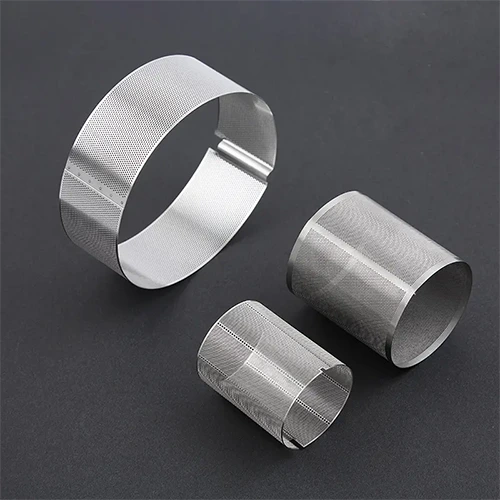
Filter performance depends on more than the outside dimensions. Engineers must also consider aperture size, open area, particle retention, and airflow resistance. This mesh filter size guide explains the main terms used when specifying an industrial filter.
- Precise Aperture: Holes can be made as small as 0.1mm with an accuracy of ±0.02mm.
- Custom Hole Patterns: You can choose from square, round, honeycomb, or micro holes, based on their preference.
- Flexible Sizes: Filters can be produced with diameters ranging from 3.0mm to 1200mm wide.
- Single and Multi-Layer Filters: Single, double, or multi-layer specifications available for filtering.
- Material Thickness Material: Available mesh thicknesses include 0.01mm, 0.05mm, 0.1mm, 0.15mm, 0.5mm, 1.00mm, and 2.00mm.
- No Burrs: There are no sharp edges to tear or gaps.
- Fast Prototypes: A prototype can be produced within 6 hours of receiving the design.
TMNetch also provides additional services such as polishing, welding, and electroplating. If you are working on a project that requires precision filters, please contact TMNetch to discuss specifications and cost.
FAQs About Hair Dryer Filter Mesh
How to clean a hair dryer mesh?
To start, unplug the dryer and allow it to cool. Remove the filter by twisting or pulling it off. Take an old toothbrush and remove the excess lint and hair, and if it is very dirty, wash it with soap and water and allow it to dry completely. And please do not use the dryer without a filter in place, as it will damage the motor.
Why do hair dryers have filters?
When the dryer pulls air through the rear intake, dust, lint, and hair can enter with it. The filter captures larger debris before it reaches the motor and heating components, helping maintain airflow and reduce contaminant buildup.
How often should you clean your hair dryer filter?
If you use your dryer daily, check it every couple of weeks; if you use it less frequently, once a month is safe. If you have long hair or pets, you may want to check and clean the filter more often because everything builds up much faster than you think.
What is the result of a blocked air filter on a hair dryer?
Your dryer is going to start working too hard when it gets blocked. The airflow becomes weak, drying time takes way too long, and the dryer runs too hot. If you ignore this longer, you run the risk of a dead motor or worse, a fire hazard. The dryer lasts longer when the filter is cleaned.
Conclusion
The hair dryer filter mesh plays an important role in the hair dryer. It protects the motor, prevents overheating, and allows your dryer to function well for years to come. If you regularly clean this filter, it’ll help increase its performance and safety. If you see permanent damage, then it’s time for hair dryer filter mesh replacement.
Developing a Custom Hair Dryer Filter?
Hair dryer manufacturers may require a specific aperture size, open-area ratio, thickness, material or mounting geometry. Send your drawing, dimensions, material, aperture requirements and annual quantity for a manufacturability review.