
In high-performance electronics, the vapor chamber is an efficient cooling device. The engineers designed it to spread heat from a hot component. Their basic motive is to prevent overheating and thermal throttling. Vapor chambers are often used in laptops, smartphones, and high-performance gaming PCs.
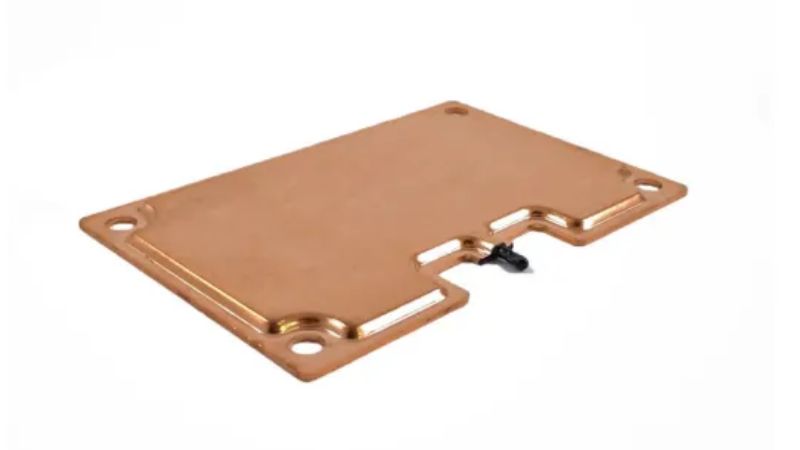
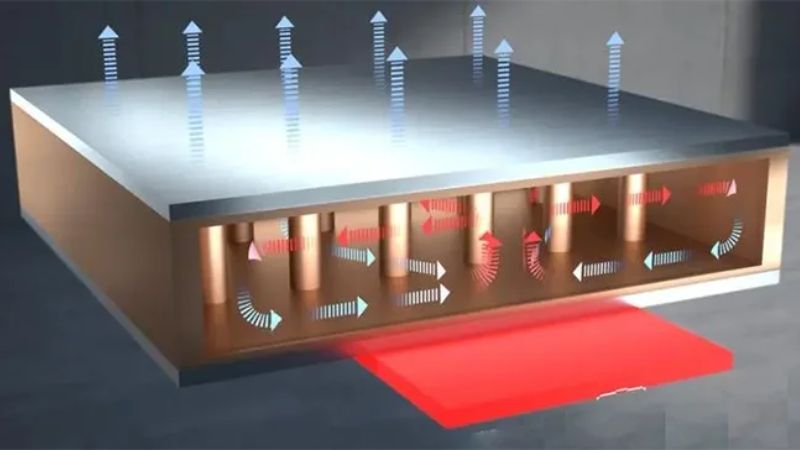
Generally, a vapor chamber transfers heat through evaporation and condensation. See how vapor chambers work for a closer look at the structure and heat-transfer cycle. Later, it condenses in cooler areas and moves heat evenly. These chambers handle higher heat flux and spread it more evenly. This ensures that sensitive electronics perform reliably under heavy loads.
Read the detailed guide on the vapor chamber, its design, and performance applications.
Why do High-Performance Modern Electronics Devices Need Vapor Chambers?
In software houses, the electrical devices generate a significant amount of heat during operation. The CPUs, GPUs, and compact electronics produce concentrated thermal energy. This energy can easily exceed safe operating limits. Without proper heat management, these components can overheat.
It leads to reduced system performance. Sometimes, your electronic components suffer permanent damage. The vapor chambers are an effective solution to this challenge. They are spreading heat evenly across a larger surface area. They also improve device reliability and lifespan.
Thus, it reduces the health burden within the sensitive components. Your electronic drive operates at higher frequencies for long periods.
How are Vapor Chambers Made?
The vapor chambers are primarily designed with various factors in mind. Engineers use different materials and manufacturing methods. This technical guide to vapor chambers covers structures, fabrication methods, and performance evaluation in more detail. So, the selection of material and method decides its efficiency.
Materials Used in Vapor Chambers
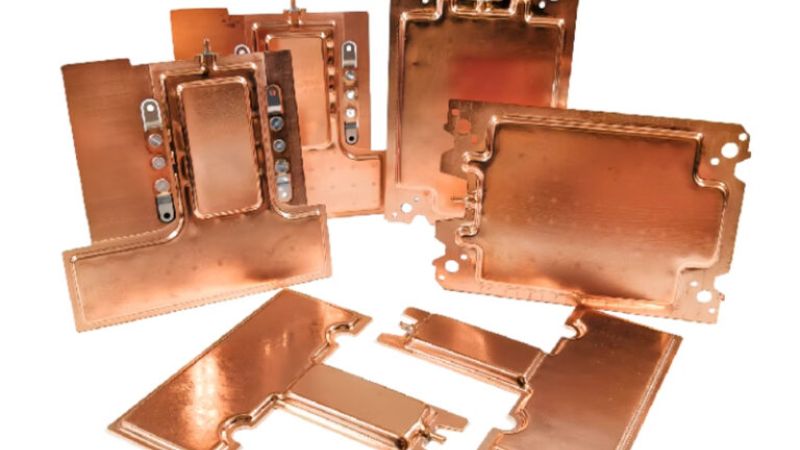
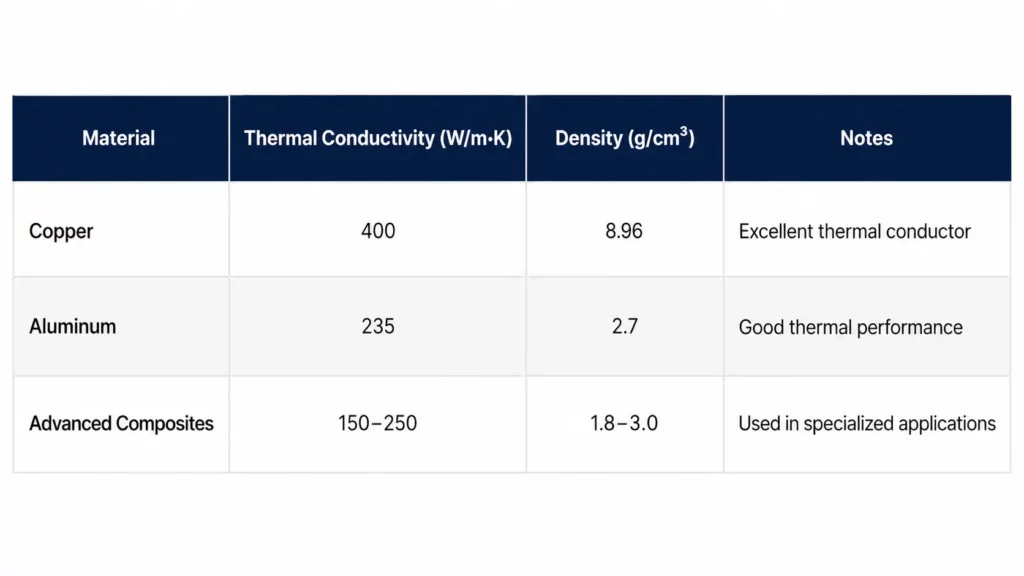
The material used in the vapor chamber is essential for its performance. It affects thermal conductivity, weight, and durability. Metal selection affects heat transfer, weight, and durability. For copper designs, review TMNetch’s copper etching capabilities for thermal-management parts. Here is a detailed view of the material you can use to make a chamber.
Where are Vapor Chambers Used Today?
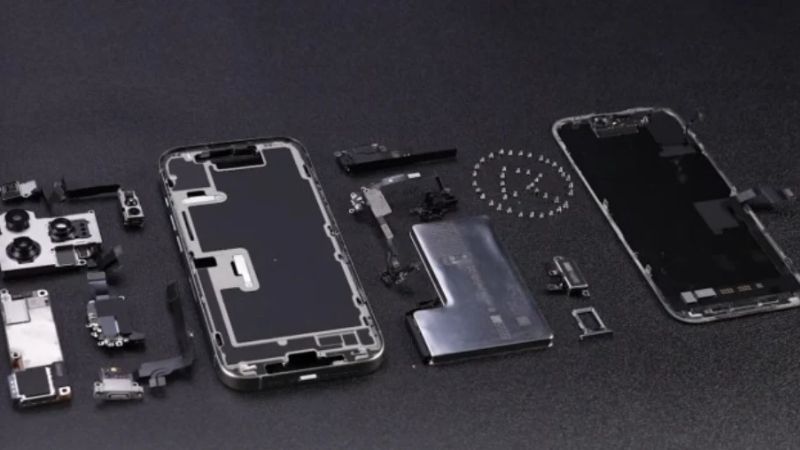
The vapor chambers are an important part of modern electronics. They are designed to manage heat. Their ability to spread heat evenly makes them ideal for consumer electronics and industrial applications. Here are the applications of the vapor chamber.
In Consumer Electronics
In consumer electronics, these chambers are used in compact designs. This provides an efficient solution by spreading heat from hot spots to cooler areas. Here are the main electronic devices where the chambers are used.
- Smartphones
All modern smartphones have powerful processors and multiple sensors. These components generate heat. The vapor chambers in phones are thin and flexible indeed.Phone vapor chambers use a thin profile to spread heat in tight layouts. See this smartphone thermal management guide for other cooling methods used in compact devices. These chambers distribute heat evenly. Thus, it prevents hotspots near the CPU and battery.
- Laptops
In most laptops, their GPUs produce large amounts of heat. Vapor chambers spread heat without increasing fan noise. This vapor chamber laptop enables high-performance laptops to operate at maximum speed for longer periods. Thus, it enhances user experience and device reliability.
- Gaming PCs
Mostly, the gaming PCs generate extreme heat from powerful CPUs. Vapor chambers are used in high-end graphics cards. It acts as a cooling system to distribute heat effectively. By reducing hotspots, they ensure high-frame-rate performance.
In Specialized and Industrial Applications
In high-performance demanding industries, the vapor chamber is a protective agent for their engines. The aerospace industry uses these chambers to cool the air engine parts. When the air spreads evenly, your machine is saved from heat buildup.
Thus, it enhances the engine performance. In medical devices, your equipment needs stable temperatures to ensure accuracy. IoT systems often operate in tight enclosures with minimal airflow. Therefore, it makes efficient heat spread crucial. Data centers use vapor chambers in high-density servers to maintain performance.
TMNetch -Top Manufacturer of Vapor Chambers Using Chemical Etching
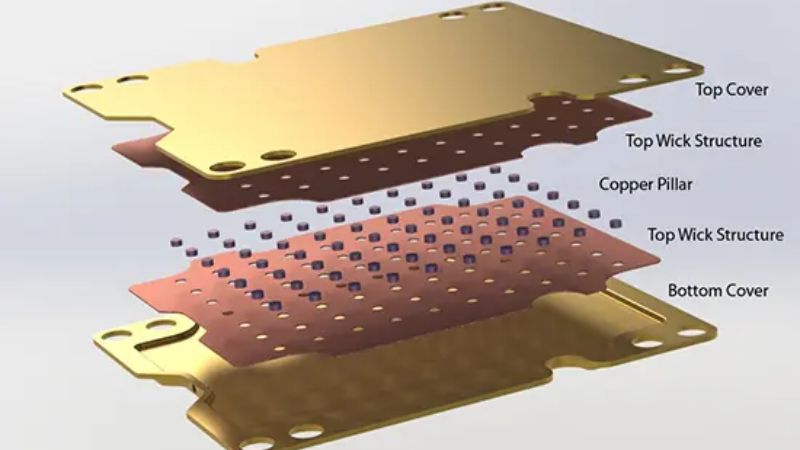
TMNetch manufactures chemically etched thin vapor chambers for custom thermal-management projects. The band mainly focuses on providing high-quality thermal solutions to all modern electronics. Their primary goal is to deliver a heat management system.
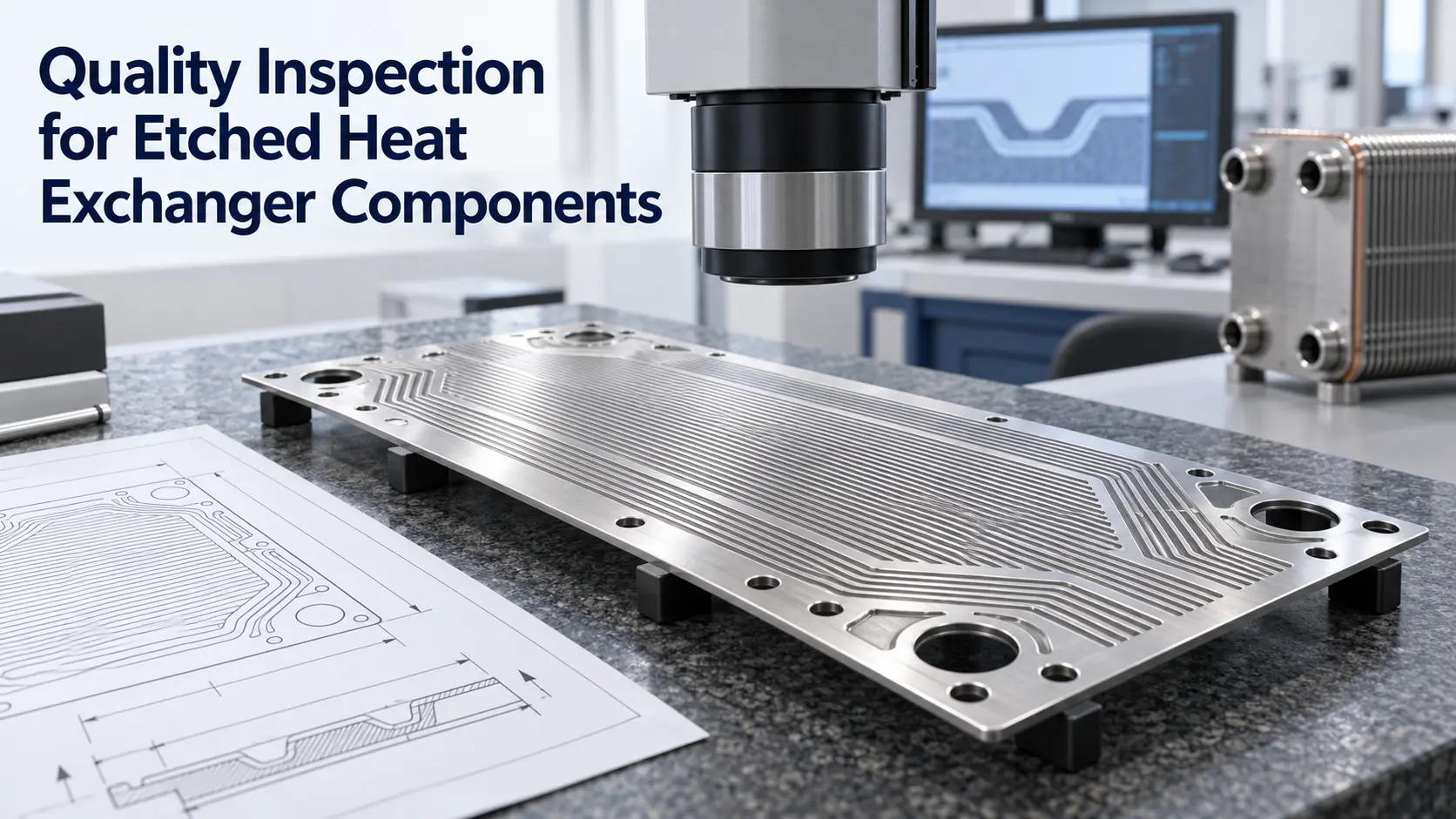
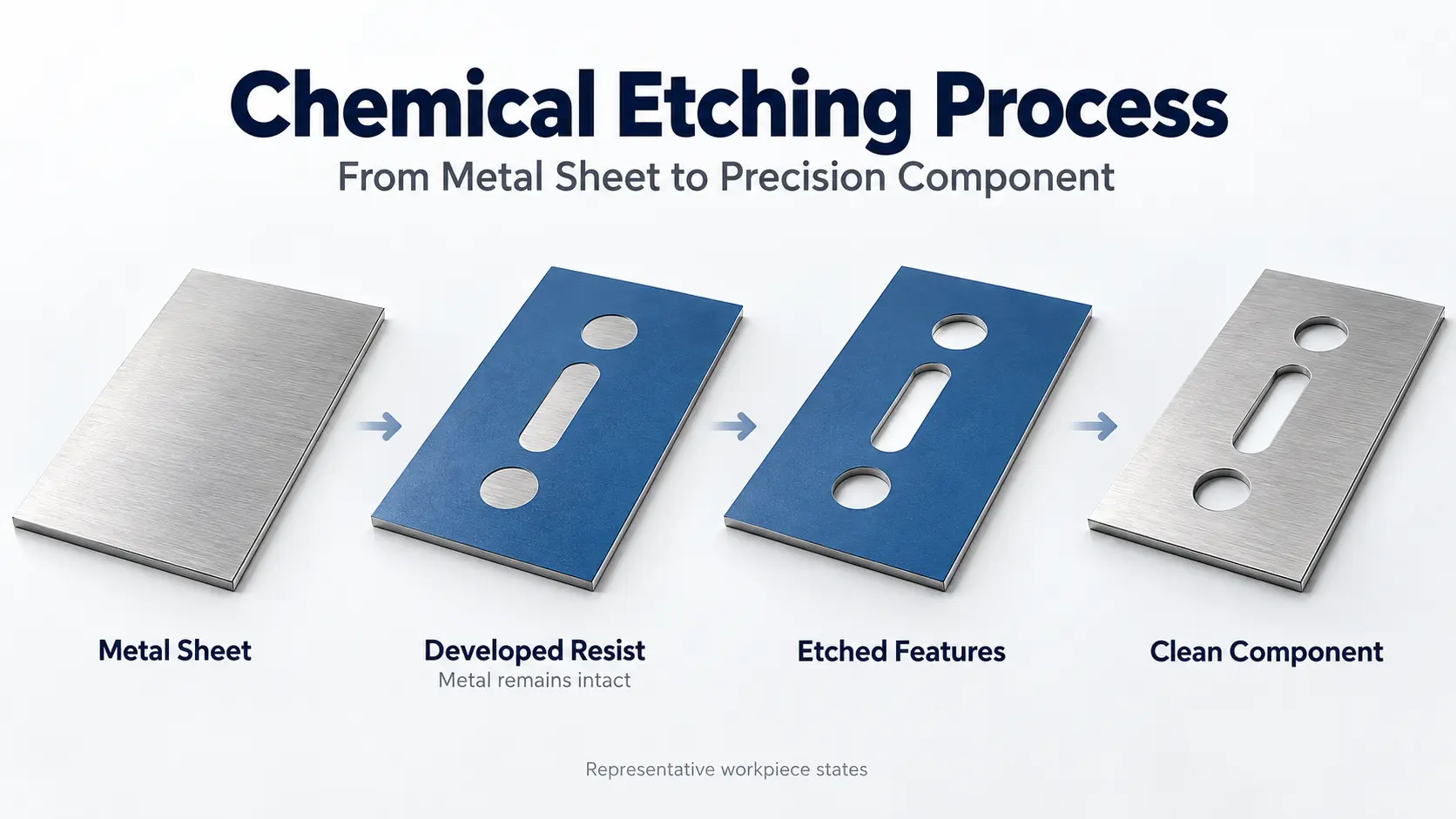
With years of experience, the company is known for its precision and accuracy. These vapor chambers are designed for CPUs, GPUs, and other compact electronic devices. TMNetch uses photochemical etching to create thin metal plates, internal channels, and support features for vapor chamber assemblies. This etching method ensures tight tolerance and reduces material deformation.
All their vapor chambers are absolutely in shape and thickness. Thus, they use it as a custom thermal solution for all electronic devices. Mostly, the smartphones, laptops, and gaming industry prefer this brand.
TMNetch also provides photochemical etching and copper etching for precision thermal-management components. Engineers of TMNetch are highly qualified and ensure every product meets mechanical standards.
With their commitment to quality, they become the top choice of the aerospace and mechanical industries. Their expert analyzes and test the products before delivering. So, the quality check at every point makes this brand demanding.
How to Optimize a Device with Vapor Chambers?
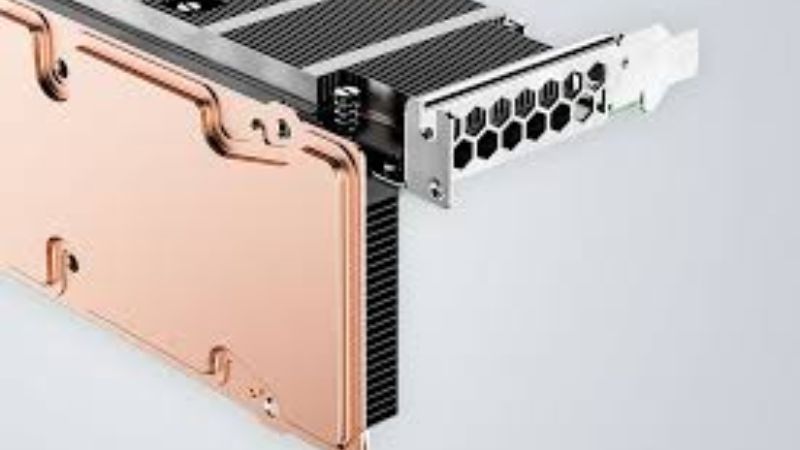
To optimise your electronic device with a vapor chamber, you have to follow a few guidelines. Here are the strategies to achieve optimal performance in all CPU-based devices.
Placement, Orientation, and Airflow Strategies
First of all, the correct placement of the vapor chamber is essential. Make sure to position it directly above high-heat components. Thus, it ensures effective heat spreading. A good airflow helps carry heat away from the vapor chamber surface. It enhances cooling efficiency. It is best to avoid placing the chamber near areas with stagnant air.
Material Selection and Thermal Interface Optimization
Selecting the chamber material, wick structure, size, and thermal interface is important. Use this custom vapor chamber guide for OEMs to define project requirements before requesting a quote. The poor material choices and oversized vapor chamber cooling can reduce efficiency. Make sure to choose thermal interface materials with low contact resistance. Then fill the gap to ensure the heat transfer is optimal.
FAQS
Do iPhones have a vapor chamber?
Absolutely yes, the iPhone 17 Pro and iPhone 17 Pro Max have vapor chambers. These vapor chambers are designed to dissipate heat and work as a cooling system. The new addition uses a sealed chamber with a small amount of water.
Does a vapor chamber have water?
Yes, a vapor chamber contains a small amount of liquid. This liquid is some water in water vapor form, moving to the cooler part of the chambers. Then condenses back into a liquid to return to the hot areas.
What does a vapor chamber do?
The vapor chamber is a sealed device that cools the electronics system easily. It spreads the heat away from the hot components evenly. It works by using a phase change process where a small amount of liquid evaporates. Thus, it absorbs the heat and cools the system.
Final Thoughts
To sum up, the vapor chambers are basically used in electronic devices. Computers and laptops often slow down over time in many software houses. The uneven heat flow inside the critical components is the main reason for this.
Thus, the vapor chambers in laptops are designed to easily integrate into the CPUs and GPUs. These chambers make sure the heat flows evenly and moves outside. So, it functions as a cooling system that saves your system from damage.
If you need a custom vapor chamber, contact TMNetch with your drawing, material, thickness, quantity, and thermal requirements for a technical review. Check their positive online reviews on their website. Furthermore, always prefer the manufacturer that has good past experience in vapor chamber cooling.