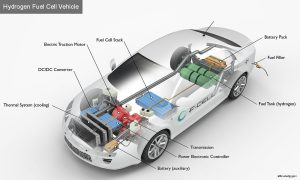
How Do Hydrogen Cars Refuel? Process, Pressure, Time & Infrastructure
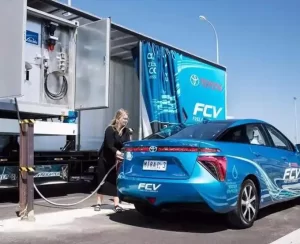
Hydrogen cars use a sealed nozzle to transfer compressed gas into the onboard tank. The station—not the driver—controls flow, pressure rise, temperature, and the stop

Hydrogen cars use a sealed nozzle to transfer compressed gas into the onboard tank. The station—not the driver—controls flow, pressure rise, temperature, and the stop
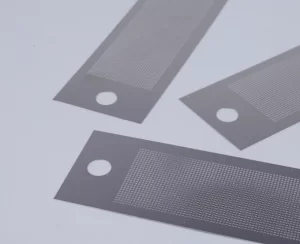
A filter mesh separates particles from a liquid, gas, or solid stream through controlled openings. It may be made from woven wire, perforated sheet, expanded
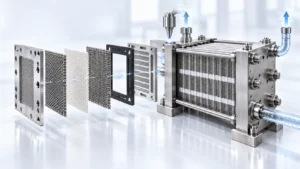
Manufacturing an alkaline electrolyzer involves linked operations: separator and electrode preparation, frame and plate processing, gasket cutting, welding, stack assembly, and controlled compression. Each operation

Chemical etching enables complex channels on thin metallic bipolar plates by transferring a CAD pattern into photoresist and removing exposed metal. It can produce serpentine

PEM electrolyzer stack manufacturing involves more than placing a membrane between two plates. Stack performance depends on controlled interfaces between the catalyst-coated membrane (CCM), porous
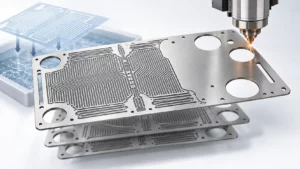
Chemical etching is usually the better fit for thin heat exchanger plates with dense, repeated or partial-depth flow features. Laser cutting is usually the better
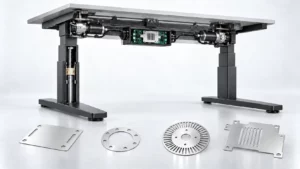
How do standing desks work? A control panel or app sends a command to the control box, which drives the motor, gearbox, spindle, and lifting
Key Takeaways PEM fuel cells have moved from research to validated engineering use in road transport, rail, and marine power. Passenger and heavy‑duty vehicles prioritize
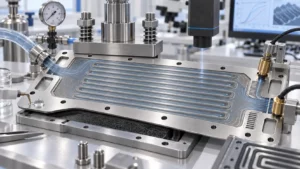
Bipolar plates conduct current, separate gases, distribute reactants, transfer heat, resist corrosion, and withstand stack compression. Because these functions interact, a plate cannot be judged