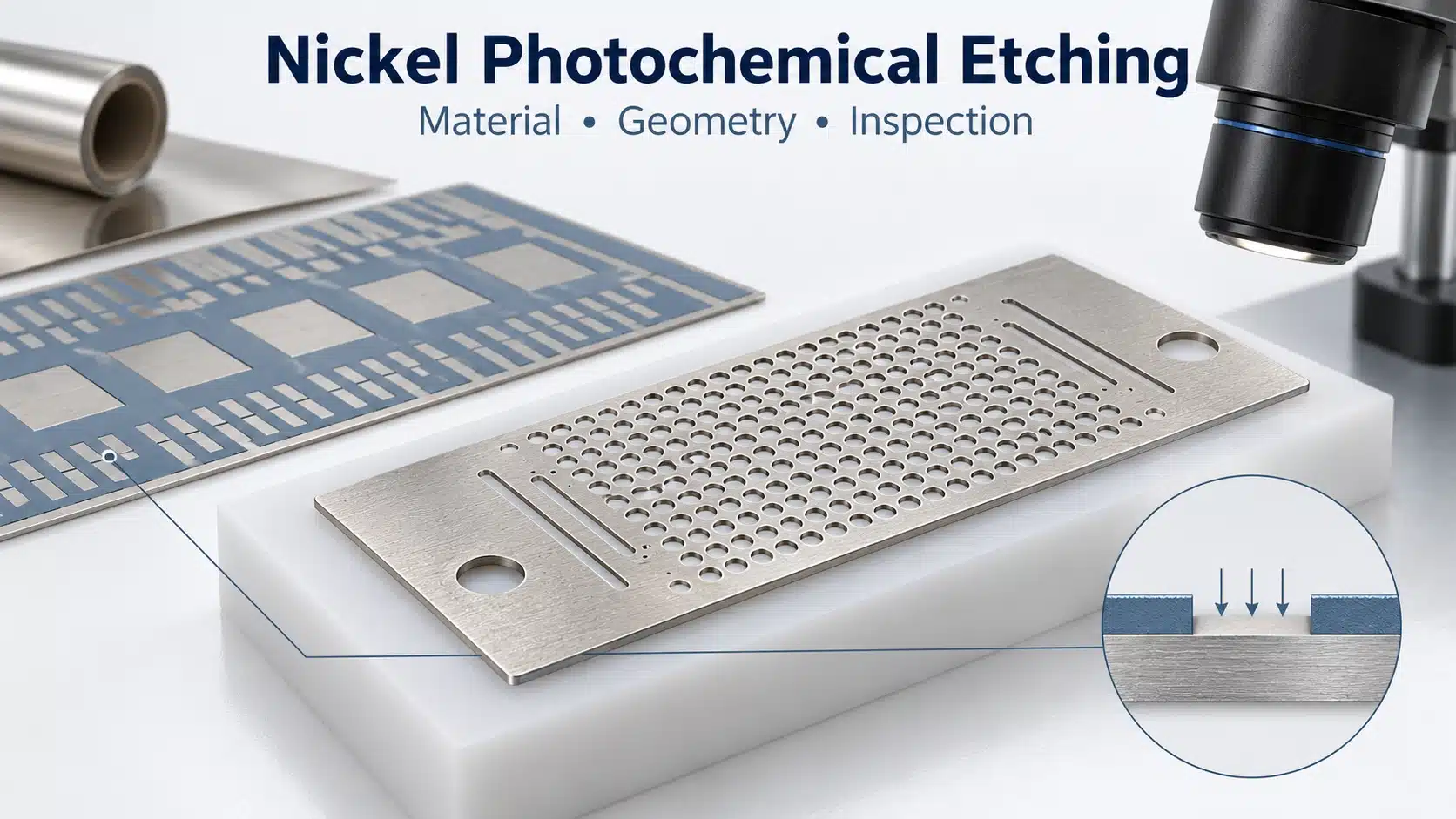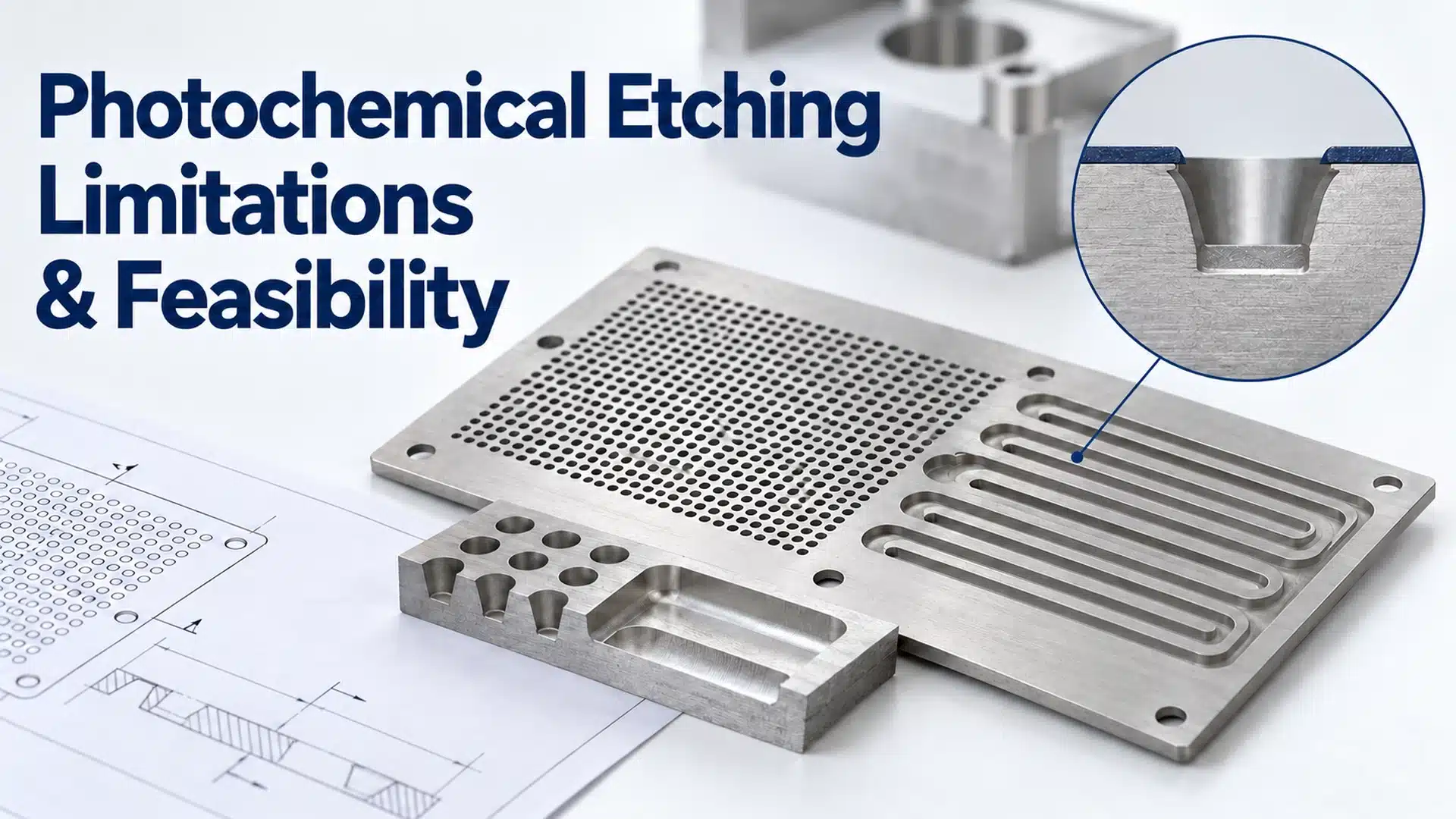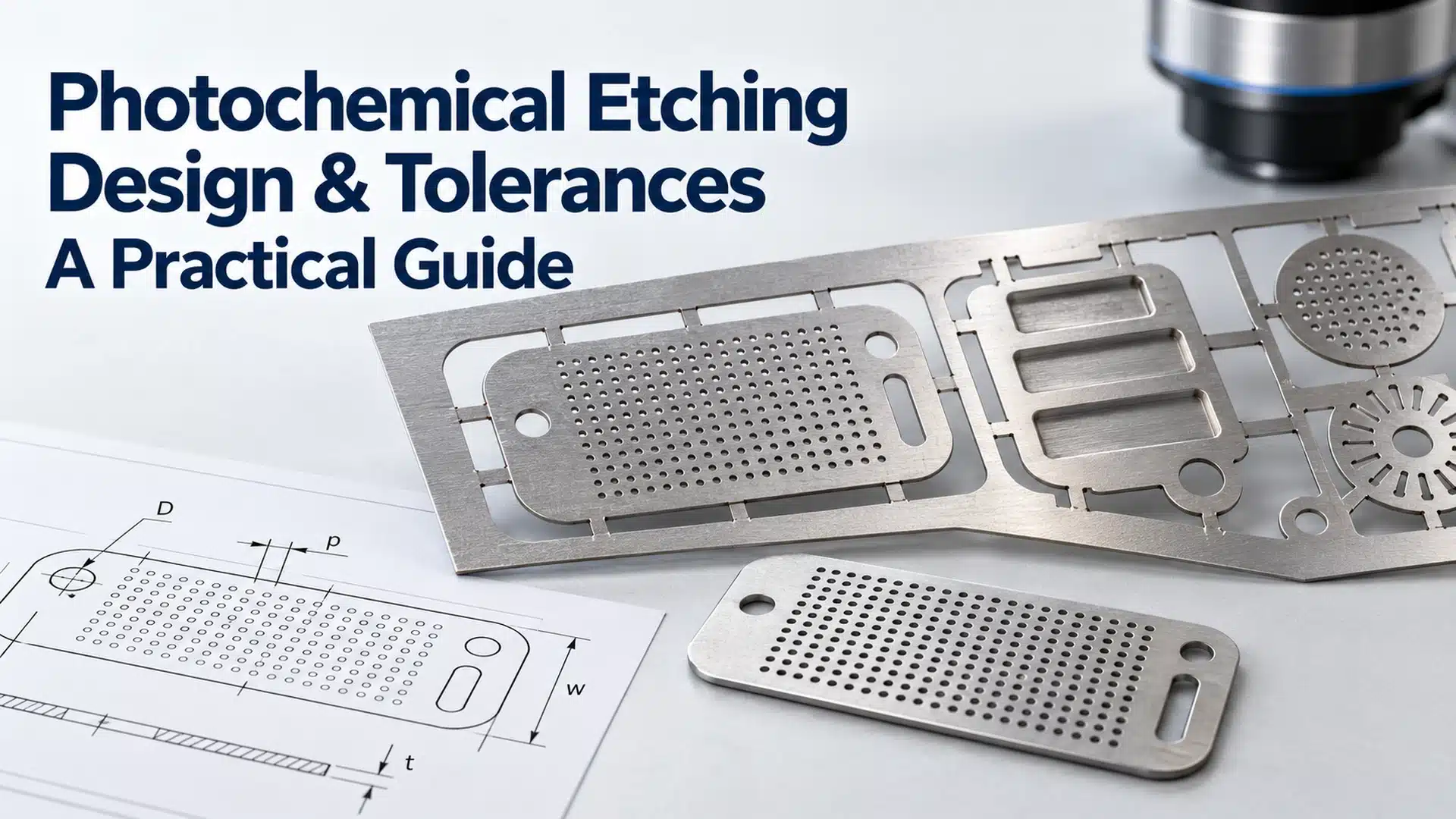

Micro etching is an accurate manufacturing process that creates complex patterns on metal sheets. During micro etching, a controlled, uniform chemical reaction occurs that removes material at a microscopic level. Micro etching can produce metal components with fine features and complex geometries. For custom manufacturing projects, TMNetch provides photo etching services for thin, detailed, burr-free metal parts. These components are used in electronics, aerospace, medical devices, and other industries that require thin metal parts with fine features. Micro etching can be applied to delicate materials and complex shapes.
This article discusses what micro etching is, how it works, what it is used for, and the advantages of micro etching.
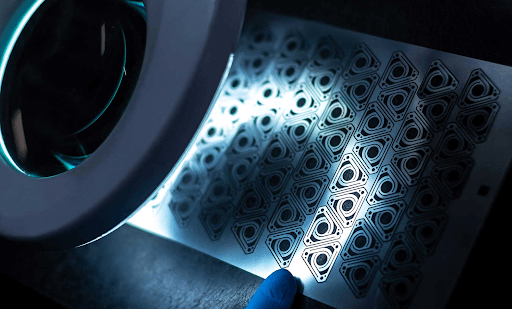
What is Micro Etching?
Micro etching is a chemical process that removes materials from metal surfaces. This technique can produce extremely detailed and precise features and patterns. Micro etching utilizes chemical solutions to selectively soak up the unwanted areas of the metal, while protecting the desired area during the etching process.
Micro etching works at the micrometer level to create tolerances and details that would not be attainable with mechanical processes. Micro-etching can be performed on various metals, which include:
- Stainless steel
- Copper
- Aluminum
- Titanium, and more.
Micro-etching can generate features that are a few microns in size with low percent material waste.
The Micro Etching Process
- The process begins with cleaning the sheet metal of any oils or contaminants. A photosensitive coating is then applied to both sides of the sheet metal. The photosensitive coating acts as a protective coating during the etching process.
- Next, the film with the desired pattern is placed. The pattern is exposed to UV light through the films. Once the photosensitive coating is exposed, it becomes soluble and is washed off, leaving the exposed metal at specific spots.
- Finally, the exposed metal receives a spray of chemical etchant (such as ferric chloride), which dissolves the exposed metal, while the photosensitive coating protects the covered area of the metal. The etching continues until the chosen depth of material has been removed.
For a more detailed explanation of photoresist coating, UV exposure, development, etching, stripping, and inspection, see our photochemical etching process guide.
Applications of Micro Etching
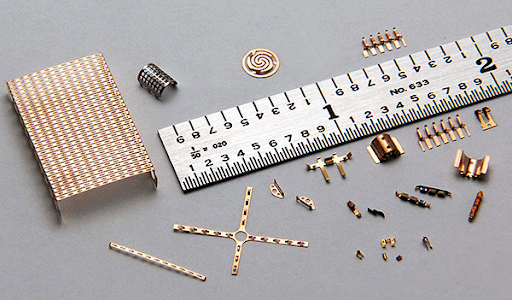
Electronics
Micro etching is used to remove unwanted copper from laminated boards, creating conductive pathways. Manufacturers also use micro etching to produce shielding parts, connectors, and other precision-etched electronic components. These thin components support compact electronic and PCB assemblies without introducing mechanical stress.
Medical Devices
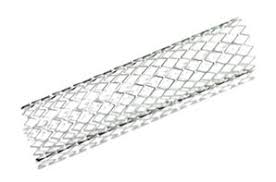
In medical applications, materials are required to be biocompatible and burr-free. Micro etching is used to produce medical components using titanium, nitinol, or other alloys. The micro etching process does not cause any mechanical stress, which is critical for implantable devices. Stents with micropores can be microetched to control medication release.
Common medical components include:
- Surgical scalpels and blades
- Vascular stents
- Catheter components
- Diagnostic sensors
Aerospace
The aerospace industry requires components that are lightweight yet durable. Micro etching can create parts for fuel systems, including filters and injector plates, where reducing weight is essential. Micro etching is used to produce encoder disks and heat exchangers with very intricate patterns of channels. Aerospace components must perform while exposed to extreme conditions, and micro etching preserves the material properties and does not introduce heat distortion.
Automotive
Automotive applications may use micro-etched components in fuel systems, sensors, electronic assemblies, and other thin-metal parts where detailed geometries and low mechanical distortion are important.
Advantages of Micro Etching
Micro etching is used in precision manufacturing due to its multiple advantages:
Precision
Achievable tolerances and minimum feature sizes depend on the metal, material thickness, part geometry, and etching conditions. Review our guide to photochemical etching tolerances and feature sizes before finalizing a production drawing. It can replicate complex geometries with complex patterns, as the design is transferred directly from photographic film to metal.
No Mechanical Stress
This process does not use any contact or heat. Hence, the parts will not have burrs, warping, or dimensional changes to the part. Materials will retain their original mechanical properties. This is critical for components that are required to have specific performance requirements.
Material Flexibility
Multiple metals—including stainless steel, copper alloys, aluminum, titanium, nickel alloys, and other materials—can be processed when the etchant chemistry and process parameters are matched to the alloy. Thin materials that may deform under mechanical cutting forces are often good candidates for photochemical processing.
Cost-Effective Production
Micro etching usually uses photographic film instead of costly dies/molds for tooling. Only photographic films are necessary for potential design changes in the component, which reduces costs and cycle time for design changes. Digital phototooling makes design changes easier during prototyping. The same basic process can also support repeat production when material, artwork, etching conditions, and inspection are properly controlled. Learn more about precision metal etching for OEM components.
Micro Etching vs Photochemical Etching
In this guide, micro etching refers to photochemical etching used to create micro-scale features in thin metal. This differs from surface micro-etching, which only roughens or modifies a material surface to improve adhesion, bonding, or coating performance. Micro etching is concerned with changing a surface at the microscopic level to improve functional characteristics. Photochemical etching is about shaping metal with photolithographic precision.
- Photochemical etching removes material completely to create complex patterns or parts. When a design requires recessed areas, fold lines, channels, or more than one etched depth, engineers may also consider 3D photochemical etching.
- Photochemical etching creates complex geometries and tolerances.
TMNetch Precision Photo Chemical Etching
TMNetch supports custom thin-metal projects that require complex geometries, clean edges, repeatable production, material selection, finishing, and inspection. Here’s what makes them different:
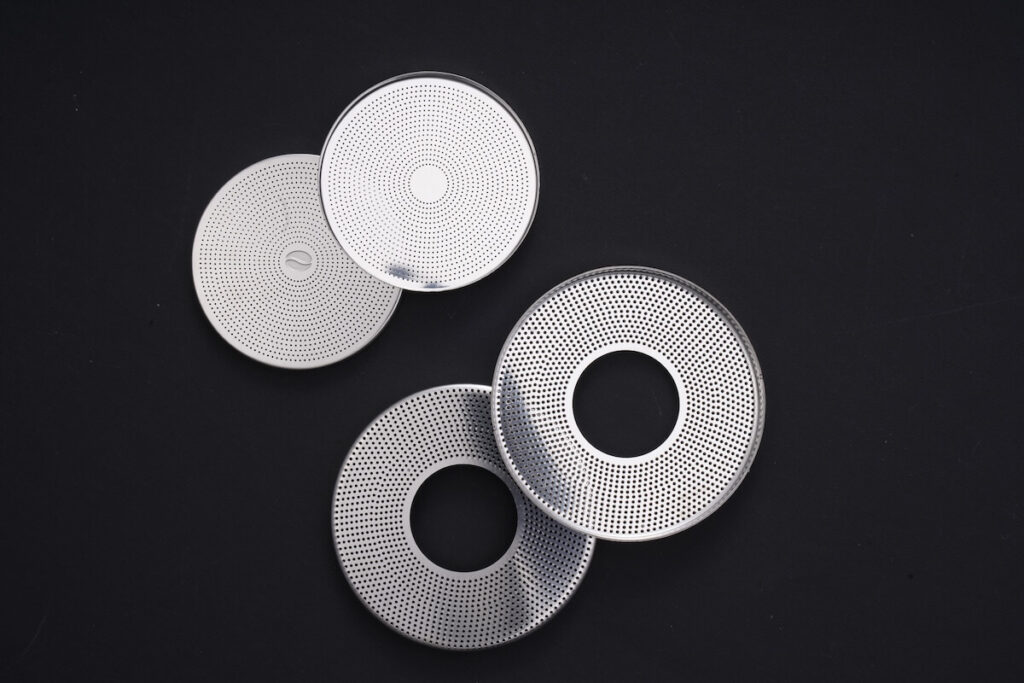
- They can process metal thicknesses from as low as 0.01 mm up through 2.5 mm (for most alloys).
- TMNetch stocks and processes a range of etchable metals, including stainless steels, aluminum alloys, copper and brass, nickel alloys, titanium, and other specialty materials.
- They can achieve ultra-thin etching down to 0.02 mm thickness and maintain the dimensional spot-on.
- They process over 1800 square meters of metal each day, all while keeping ISO 9001:2015 standards.
Contact TMNetch to discuss your custom project.
FAQs About Micro Etching
What is micro etching in dentistry?
Micro etching in dentistry uses fine abrasive particles and/or milder acidic etching agents for a micro-cosmic roughening of metals and ceramics. The result of the micro etching process is a roughened surface that aids in the mechanical retention of dental cements or veneers to the restoration.
What is the difference between micro etching and macro etching?
The micro etch is aimed a treating the microscopic surface layer of the surface in service, carefully exposing, or treating small features, some of which may relate to adhesion. The macro etch is used for much larger features and generally to reveal grain structures, or welds, or a large flow pattern visible to the naked eye.
What are common etching mistakes?
Common mistakes consist of over-etching, contamination, or failing to clean the surface adequately before treating. Others may not achieve proper chemical strength concentration or have time and temperature controls, all resulting in unreliable, inconsistent results, or lost adhesion or surface damage.
Conclusion
Micro-scale photochemical etching is well suited to thin metal components that require fine openings, complex profiles, repeated patterns, or burr-free edges. If you are evaluating the process for a new component, submit your micro-etched part drawing for manufacturability review with the material, thickness, minimum feature size, critical dimensions, annual volume, and finishing requirements.