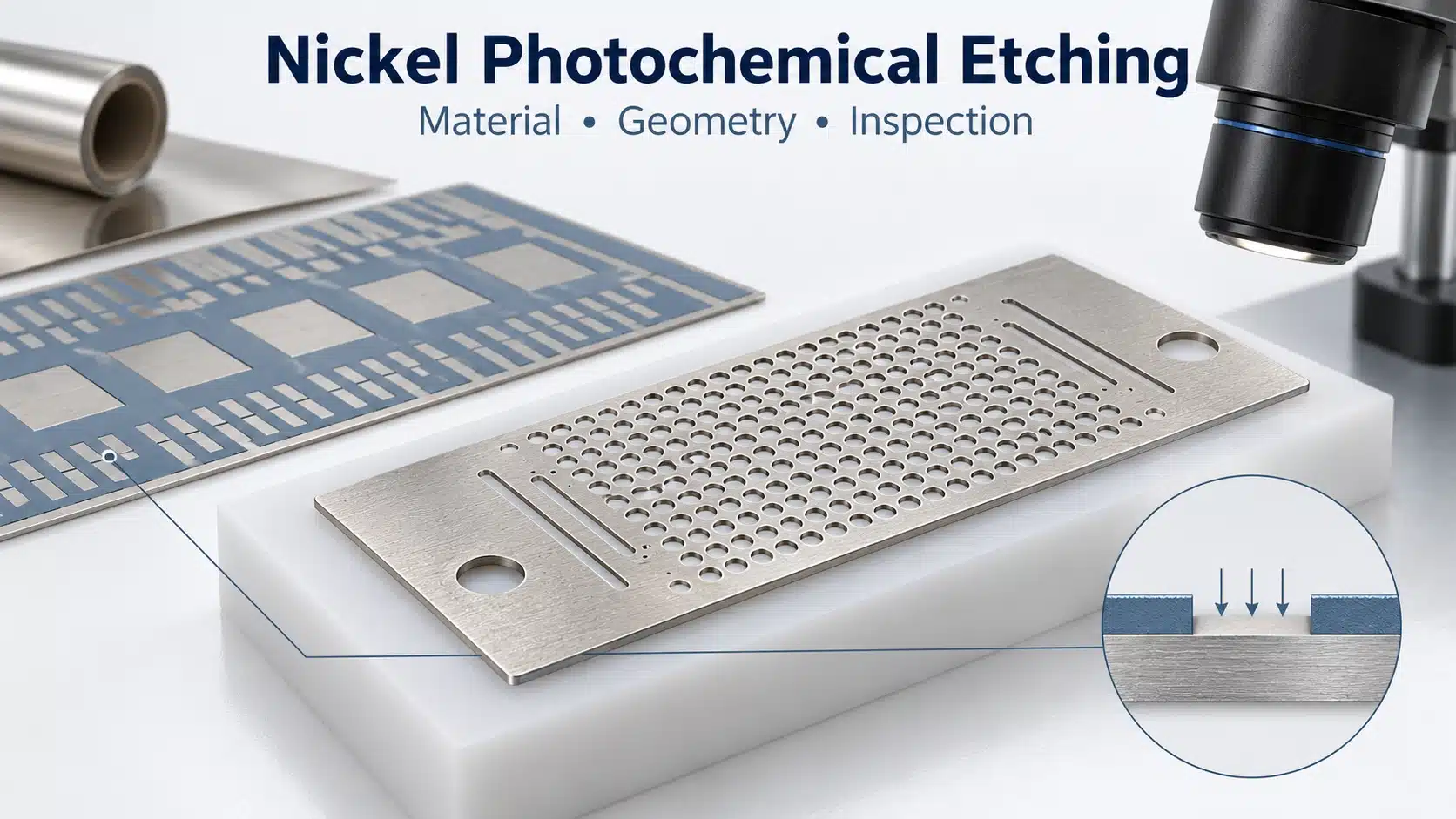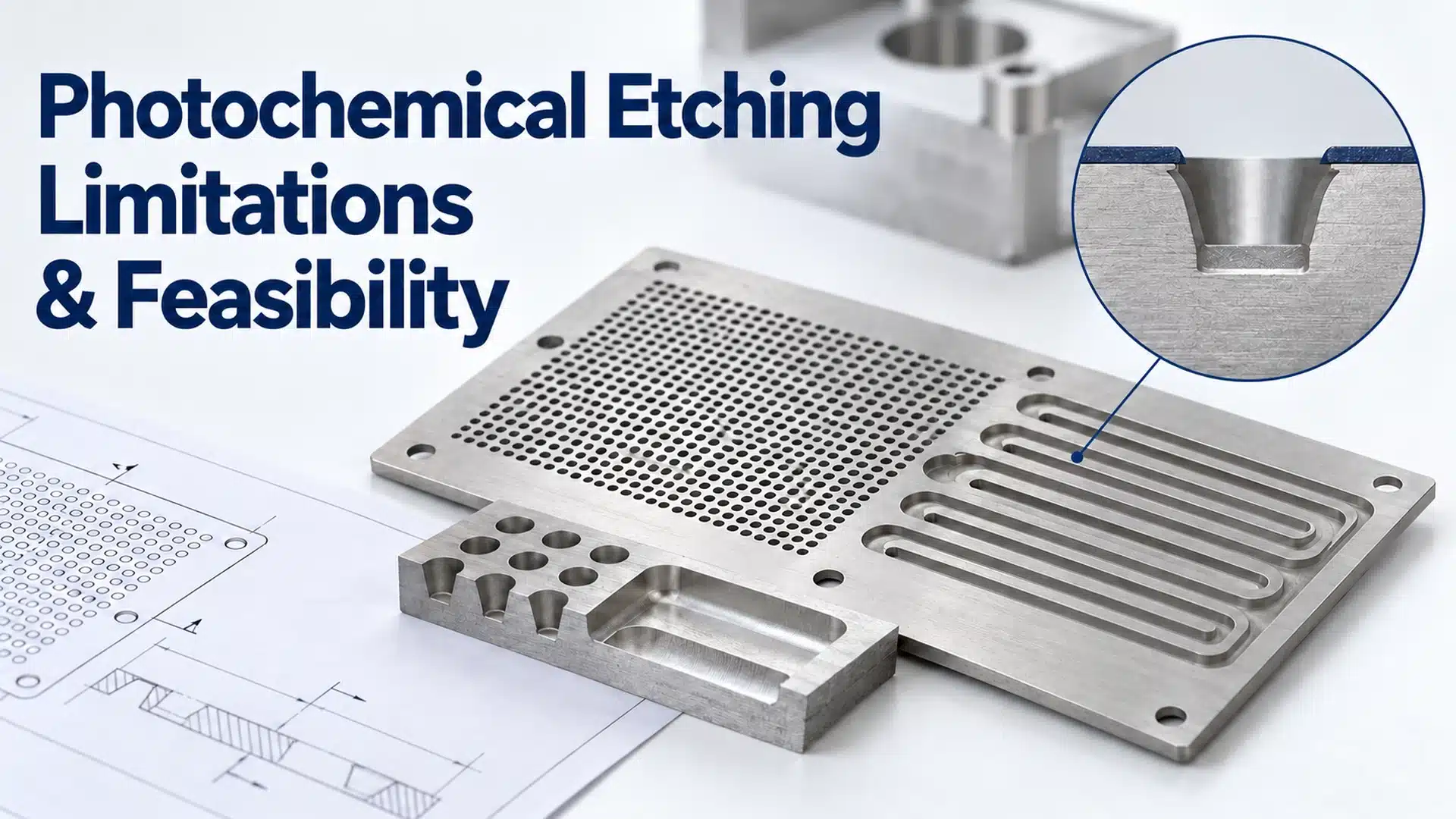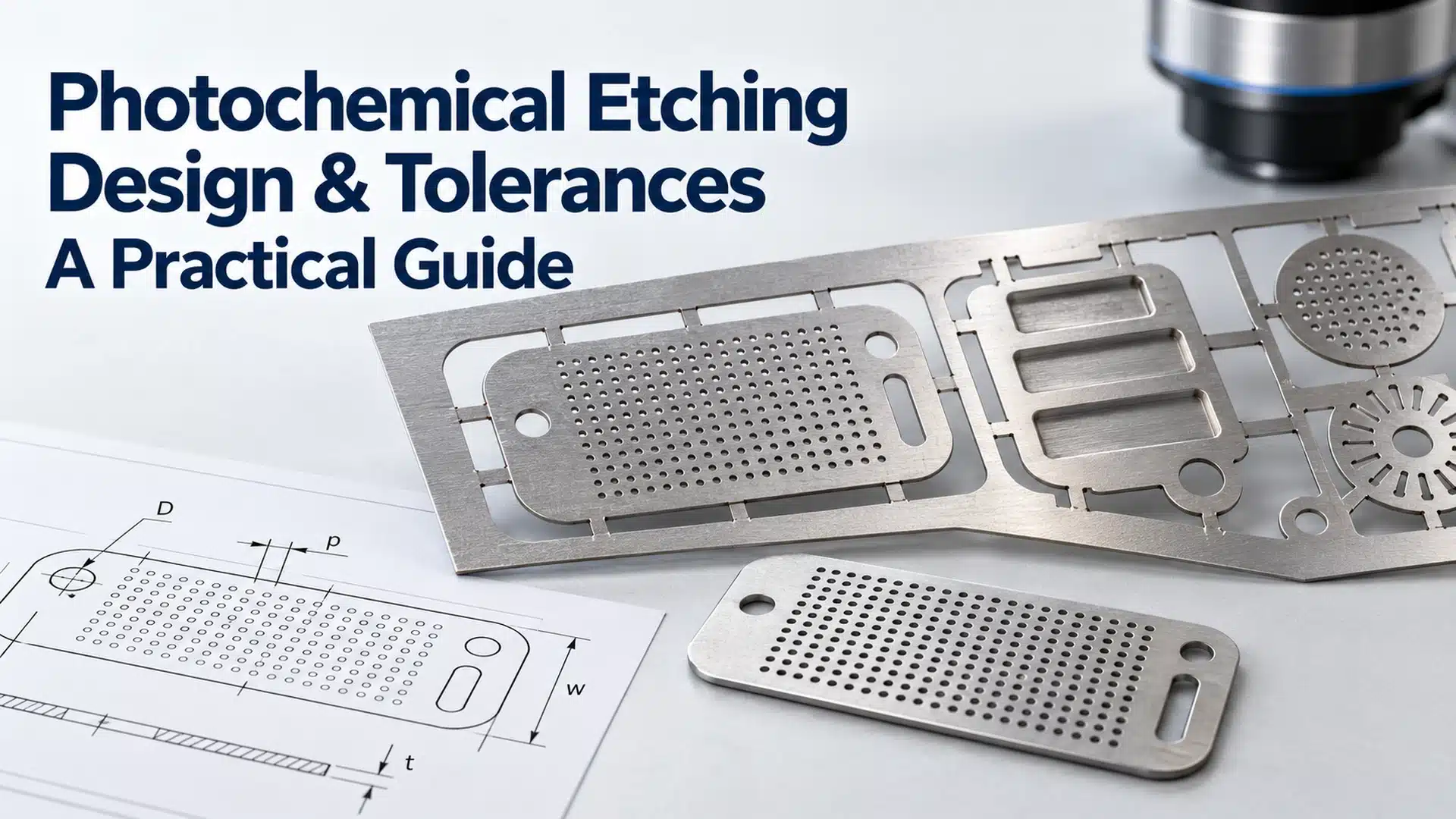

Photo-etched model parts are thin metal components manufactured to reproduce fine details that are difficult to achieve with conventional molded plastic parts. Precision photo-etched model parts can create thin grilles, panels, brackets, railings, mesh structures, and other scale details with sharp edges and controlled geometries.
By following the right instructions, you can change simple models into a masterpiece that feels full of life. But when used without skill, they can bend, snap, or glue in the wrong place. A tiny mistake can spoil hours of work, and that can hurt more than it sounds.
So, read the article to explore what comprises the photo-etched model parts, how to use them, and the right supplier. At the end, a short section that reveals the hidden tips that make the process fun for you. Keep reading to explore more.
Common Types of Photo-Etched Model Parts
There are different types of photo-etched model parts that come in various shapes. Each type has a special job that improves the model’s look and feel. Here is the detail about each type with its scalability.
Grilles and Mesh
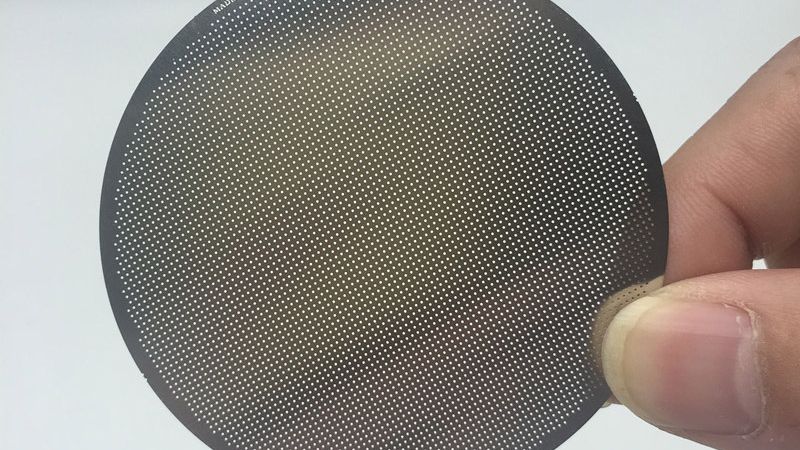
Grilles and mesh are common photo-etched model components. Their thin sections and fine openings can reproduce radiator grilles, ventilation screens, intake meshes, and other structures that would appear oversized if molded from plastic.
Hinges and Latches
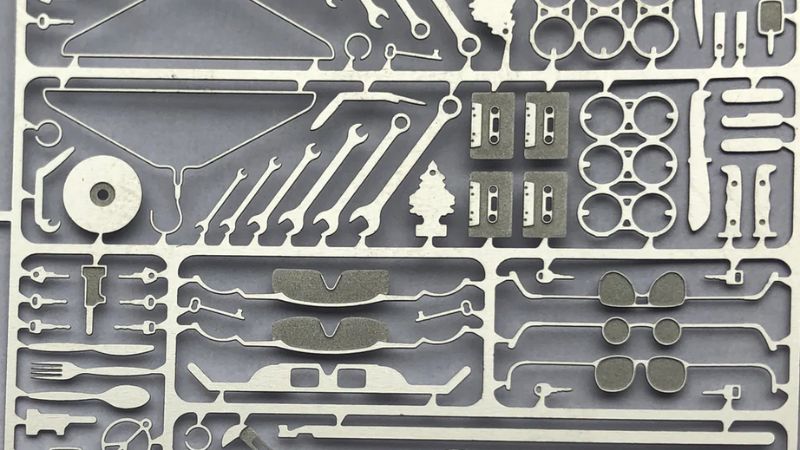
Additionally, the hinges and latches enable the moving parts inside the machinery tool to look real. These small details show how doors, panels, or hatches connect. The plastic cannot show such tiny shapes well. However, the latches and hinges made of metal do a great job. They add depth and sharp lines to the engine components.
Handrails and Grab Handles
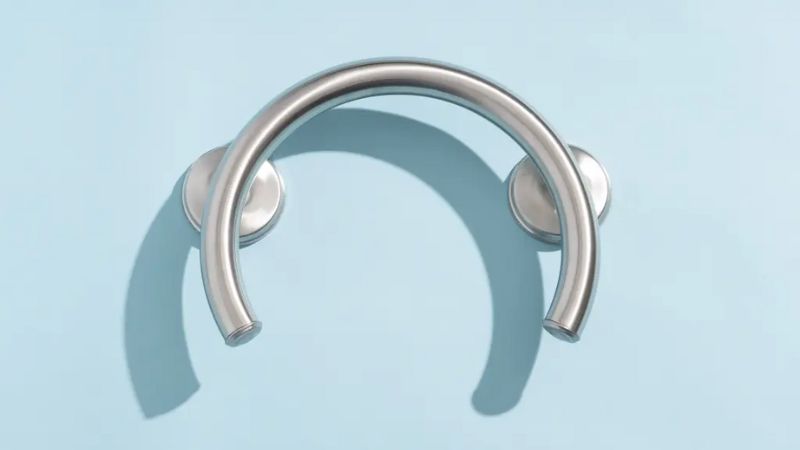
The handrails and grab handles are thin metal lines. You can use it on ships, tanks, and planes. They look much finer than plastic ones and match the real scale of the model. These rails run along decks, hulls, or cabins and give a finished touch. They are easy to bend. However, you must handle them carefully to keep them straight
Structural and Flat Components
Structural and flat components are sheets of photo-etched metal used to form walls, floors, or panels. They replace thick kit parts and make the model cleaner and more detailed. Builders use them to recreate armor plates, cockpit panels, and engine covers. The flat brass or steel holds sharp lines and small holes that show realistic structure. These parts also fit well with resin or plastic kits, giving a strong and professional finish.
The structural and flat components are specially designed sheets that are used to form walls, floors, and panels. Here are the details about these components with specifications.
1. Ammo Boxes
Generally, the engineers use the photoetch process to make ammo boxes. They show sharp corners, fine ridges, and thin walls like real storage boxes. Its plastic versions often look soft. They add life to dioramas and make every weapon area stand out.
2. Fenders
The fenders protect the wheels or tracks of tanks and trucks from dirt. They can be bent and dented slightly to give a worn look. The engineers mix them with other materials. When painted, they make real metal light and detail.
3. Marston Mats
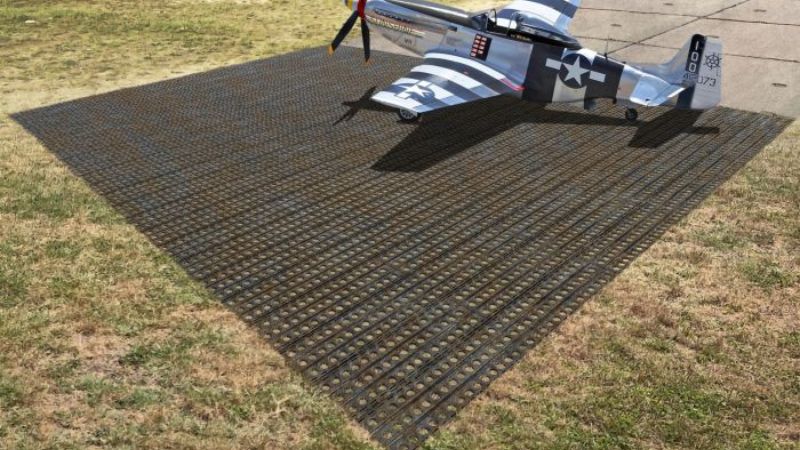
The modeling experts use photo etching to make metal mats. They can be used in planes, trucks, or diorama scenes. Their fine detail adds texture. They show how equipment sits on rough metal runways.
4. Shim Plates
Shim plates are thin metal spacers used to fill gaps in real machines. In models, photo-etched shim plates do the same job by adding covers. They are simple flat pieces. These plates also strengthen small joints between resin and plastic parts.
Step-by-Step Guide: How to Use Photo-Etched Model Parts?
The best photo-etched model parts for scale models are thin metal pieces. Generally, you are made to add fine and sharp details to scale models. That’s why you need to understand the right techniques to use these parts correctly. Below is the in-depth detail about how to use these parts.
Preparing Your Parts
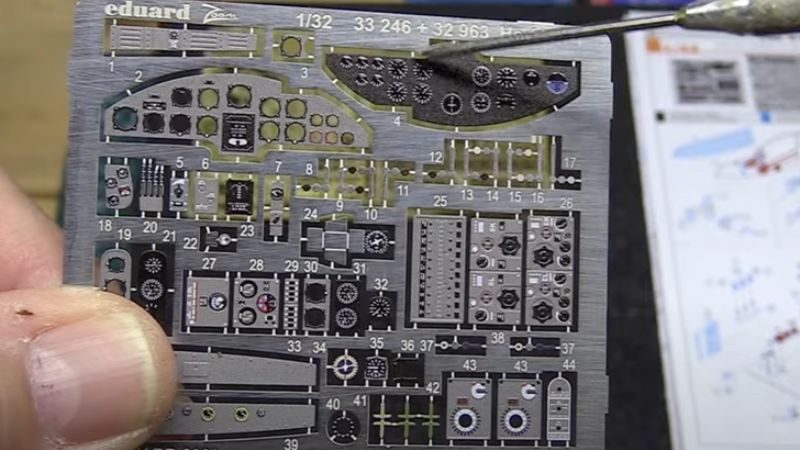
The first step is all about cleaning the metal sheet gently. You can use a mild soap and alcohol to remove oils. This helps glue and paint stick better later. Then, trim off extra tabs using a sharp blade. It’s best to handle the parts with tweezers to avoid bending. Make sure to keep parts clean and ordered at the start.
Cutting Without Damage
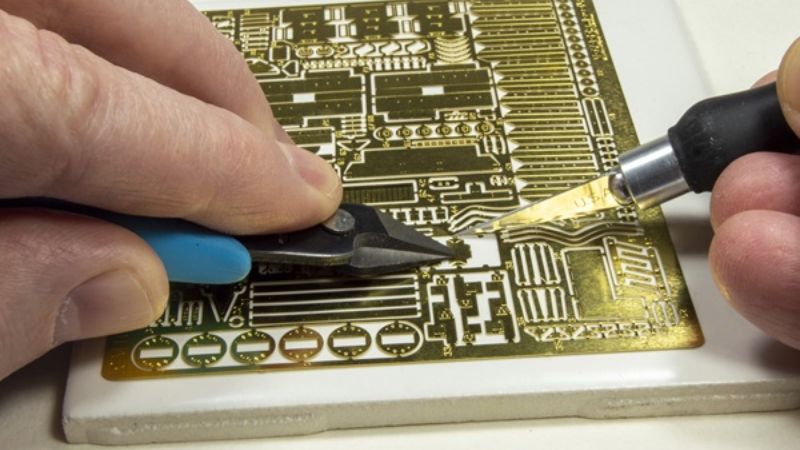
In this step, you have to cut the etched parts with a sharp blade. For neat cutting, place the sheet on a hard surface. Then, press down close to the joint and make clean cuts. It’s important to avoid twisting parts. Furthermore, make sure to work under good light. Always be patient and take time during this step.
Folding and Shaping
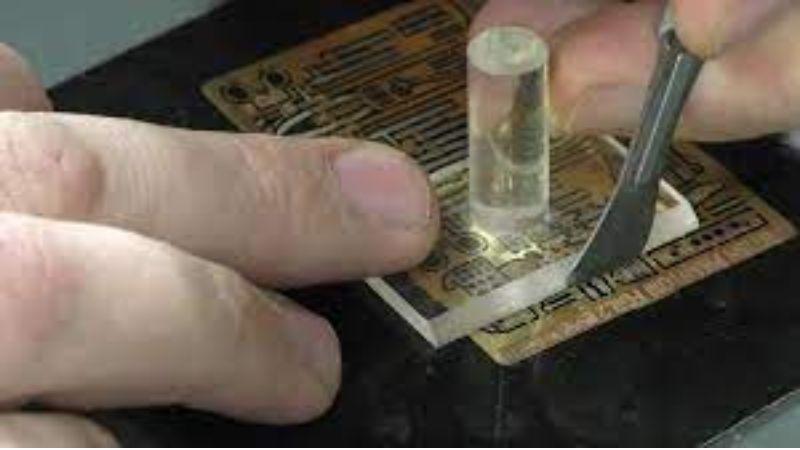
Photo-etched parts can be supplied flat or designed with fold lines for subsequent forming. For production components that require controlled bends or formed geometries, precision metal bending can be used as a secondary manufacturing step after etching.
Gluing and Attaching
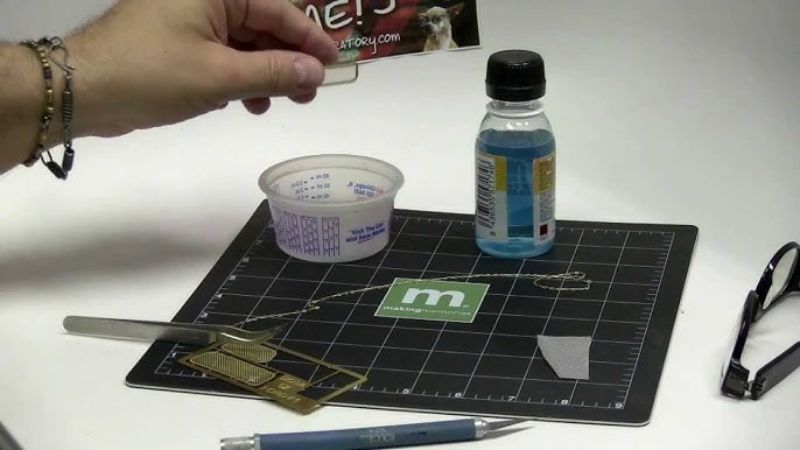
Once you shape the metal parts, use a small drop of super glue for fine modeling adhesion. You can also apply with a toothpick. Use the fine tweezers to place the adhesion inside the metal parts. Make sure to use the glue in the proper proportion and avoid applying too much. Once the glue is dry, carefully place the model.
Painting and Weathering
This is the final step in which you apply paint to the metal surface. Make sure to apply a primer coat before painting. Apply the primer and let it dry well. Then, you can use a light paint layer to keep it clear. Gently shade the metal and plastic surface to make everything look uniform.
Tips for Proper Handling of Photo-Etched Model Parts
The photo-etched model parts are typically designed to add fine accuracy to scale models. It’s best to handle them right. So, you get maximum performance without any replacement needs. First of all, never be in a rush during cleaning and adjusting.
These metal parts bend easily. So, you need to work slowly and with calm hands. Make sure to always use tweezers to move them. If you use fingers, you may cut and bruise them. It’s best to keep the space clean and bright.
A flat mat or smooth tray helps stop parts from slipping. When cutting pieces from the fret, use a sharp blade and apply gentle pressure. Avoid twisting the blades with force. Before gluing, test each metal part to ensure it adjusts properly and apply glue in the proper quantity.
All these safety checks enable you to finish your model that looks clean and professional.
Where To Buy Photo-Etched Model Parts?
Finding the right supplier of photo-etched model parts requires more than comparing price. Buyers should evaluate material capability, minimum feature size, tolerance control, edge quality, tooling approach, inspection, secondary processing, and production consistency. Our chemical etching supplier checklist explains the key criteria to review before placing a custom order.
To avoid these issues in your project, you need to ask three simple questions of your supplier.
What metal and thickness do you use for these parts?
Do you show any past successful project results that are similar to this project?
How do you check quality and pack parts for shipping?
TMNetch manufactures custom photo-etched model parts from thin metal sheets for projects requiring fine openings, detailed profiles, repeated patterns, and controlled dimensions.
For custom model parts, manufacturing capability should be evaluated around the actual drawing requirements, including material, thickness, minimum feature size, dimensional tolerance, fold lines, surface finish, prototype quantity, and production volume.
The brand’s purpose is simple. They want to help builders change plain kits into something special. TMNetch believes detail brings models to life. Each piece they make shows that. And their parts are ready to use. If you want accuracy, strength, and real quality, TMNetch is a name to trust.
Frequently Asked Questions
What material do you use for etching?
Mostly, the engineers use a metal, glass surface, and a chemical etchant. They also use a protective coating that is made of wax and applied to the material surface. It protects a certain surface of metal from etchants. Other common materials include copper, zinc, and steel for metal etching.
Which chemical is used in etching?
Ferric chloride is a common photochemical etchant that is used in copper and steel metal. The hydrofluoric acid is also used for glass material. For aluminum, you can use silicone dioxide and sodium hydroxide. Other etchant includes cupric chloride and potassium hydroxide.
What is etching primer?
The etch primer is a paint that is designed to protect the metal surface from rusting. Furthermore, it is also designed to make a physical bond to the substrate. It is a fast-drying property that makes it ideal for bare and non-ferrous surfaces. It contains an acid that impregnates the top layer of the metal.
Final Thoughts
To sum up, the photo-etched model parts are thin metal components for scale models. These parts are used in tanks, aircraft, and ships to enhance engine performance. Furthermore, you can also use it in grates, vents, and other components that are difficult to create.
Photo-etched model parts are particularly useful when a scale model requires thin sections, fine openings, sharp profiles, or details that are difficult to reproduce with molded plastic. If you need custom parts rather than an off-the-shelf photo-etched kit, submit your model-part drawing for a manufacturing review with the material, thickness, minimum feature size, dimensions, required quantity, and any forming or finishing requirements.