
The lead frames sono prodotte mediante stampaggio e incisione fotolitografica; quale dei due metodi è più conveniente?
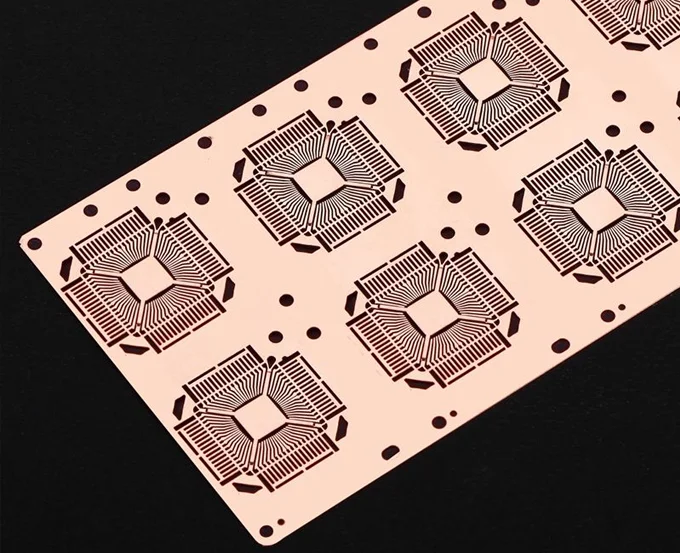
Per questa domanda non esiste una risposta standard. La scelta del processo da utilizzare dipende da vari fattori come il prodotto, l’azienda e altre considerazioni. Questo articolo si concentrerà su cosa sia una cornice piombo e confronterà i due processi, con l’obiettivo di fornire alcune intuizioni utili. Cosa sono lead frames? The lead frames sono […]
การผลิตกรอบนำไฟฟ้าทำได้โดยการปั๊มและการกัดด้วยวิธีการถ่ายภาพทางเคมี วิธีใดมีความคุ้มค่ามากกว่า?
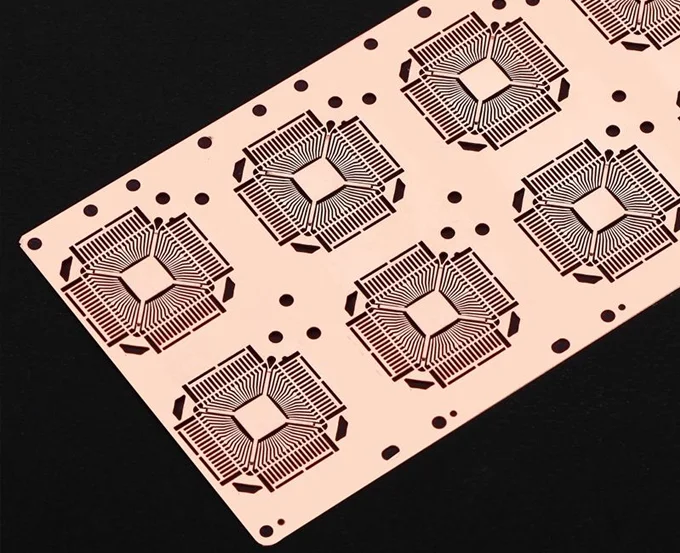
สำหรับคำถามนี้ไม่มีคำตอบมาตรฐาน การเลือกใช้วิธีใดขึ้นอยู่กับปัจจัยต่าง ๆ เช่น ผลิตภัณฑ์ บริษัท และข้อพิจารณาอื่น ๆ บทความนี้จะเน้นถึงความหมายของกรอบนำไฟฟ้าและเปรียบเทียบสองกระบวนการนี้โดยมีวัตถุประสงค์เพื่อให้ข้อมูลเชิงลึกที่เป็นประโยชน์ กรอบนำไฟฟ้าคืออะไร? กรอบนำไฟฟ้าเป็นส่วนประกอบพื้นฐานที่ใช้กันอย่างแพร่หลายในอุปกรณ์สารกึ่งตัวนำ ชิ้นส่วนอิเล็กทรอนิกส์ และแผงวงจร พวกมันทำหน้าที่เป็นโครงสร้างสำหรับติดตั้งและเชื่อมต่อวงจรรวม (ICs) กับสิ่งแวดล้อมภายนอก กรอบนำไฟฟ้ามักทำจากโลหะเช่น ทองแดง ทองแดงผสม หรืออะลูมิเนียม ซึ่งมีคุณสมบัติการนำความร้อนและไฟฟ้าที่ดี การออกแบบกรอบนำไฟฟ้านั้นซับซ้อนและมีการพัฒนาอย่างต่อเนื่องเพื่อตอบสนองความต้องการของอุปกรณ์อิเล็กทรอนิกส์สมัยใหม่ พวกมันมักประกอบด้วยการจัดเรียงขั้วนำไฟฟ้า แท็บ และโครงสร้างอื่น ๆ ที่ซับซ้อนเพื่อให้การสนับสนุนและอำนวยความสะดวกในการเชื่อมต่อทางไฟฟ้า ข้อกำหนดที่เปลี่ยนแปลงไปของกรอบนำไฟฟ้าสะท้อนให้เห็นถึงความก้าวหน้าในเทคโนโลยีสารกึ่งตัวนำ ช่วยให้อุปกรณ์อิเล็กทรอนิกส์มีขนาดเล็กลง มีประสิทธิภาพมากขึ้น และมีความน่าเชื่อถือมากขึ้น กรอบนำไฟฟ้ามีบทบาทสำคัญในการรับประกันความสามารถในการทำงานและความทนทานของผลิตภัณฑ์อิเล็กทรอนิกส์หลากหลายประเภท ตั้งแต่อิเล็กทรอนิกส์สำหรับผู้บริโภคไปจนถึงระบบยานยนต์และการใช้งานในอุตสาหกรรม ข้อดีของการกัดด้วยวิธีการถ่ายภาพทางเคมีกับการปั๊ม การกัดด้วยวิธีการถ่ายภาพทางเคมี การถ่ายภาพด้วยแสง (Photolithography) มีข้อดีหลายประการเมื่อพูดถึงการปรับแต่งกรอบนำไฟฟ้า ทำให้เป็นตัวเลือกที่นิยมในอุตสาหกรรมการผลิตสารกึ่งตัวนำและการออกแบบอิเล็กทรอนิกส์ นี่คือการแยกย่อยข้อได้เปรียบที่สำคัญ: 1. ไม่มีค่าใช้จ่ายในการทำแม่พิมพ์: การถ่ายภาพด้วยแสงช่วยลดความต้องการแม่พิมพ์ที่มีค่าใช้จ่ายสูง ทำให้การลงทุนเริ่มต้นและค่าใช้จ่ายในการผลิตต่อเนื่องลดลง นี่เป็นตัวเลือกที่น่าสนใจสำหรับการผลิตขนาดเล็กและการทำต้นแบบ 2. ประสิทธิภาพสูง: กระบวนการถ่ายภาพด้วยแสงมีความเร็วและประสิทธิภาพสูง ช่วยให้สามารถผลิตได้เร็วขึ้น ส่งผลให้ระยะเวลาในการนำผลิตภัณฑ์เข้าสู่ตลาดสั้นลง 3. การออกแบบที่มีอัตราการขยายตัวต่ำ: ด้วยการถ่ายภาพด้วยแสง ความแม่นยำของการออกแบบจะคงอยู่โดยมีการขยายตัวหรือการเสียรูปของวัสดุน้อยที่สุด ซึ่งเป็นสิ่งสำคัญในแอปพลิเคชันอิเล็กทรอนิกส์ที่ต้องการประสิทธิภาพสูงและความน่าเชื่อถือ […]
Khung dẫn điện được sản xuất bằng cách dập và khắc quang hóa học, phương pháp nào hiệu quả hơn về chi phí?
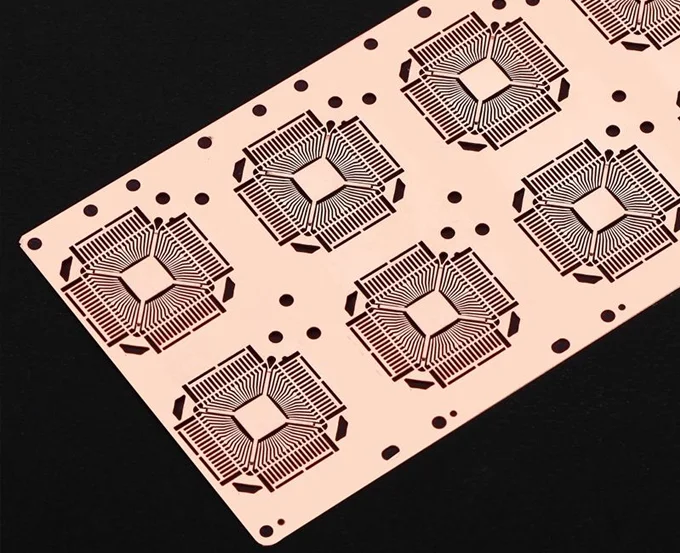
Đối với câu hỏi này, không có câu trả lời tiêu chuẩn. Việc lựa chọn sử dụng phương pháp nào phụ thuộc vào nhiều yếu tố như sản phẩm, công ty, và các cân nhắc khác. Bài viết này sẽ tập trung vào việc khung dẫn điện là gì và so sánh hai quy trình, […]
Grilles de connexion sont produites par emboutissage et photogravure chimique, lequel est le plus rentable ?
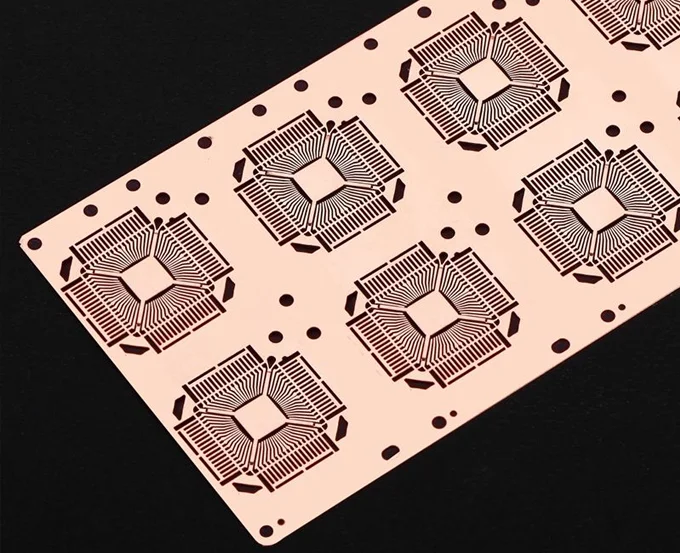
Pour cette question, il n’y a pas de réponse standard. Le choix du processus à utiliser dépend de divers facteurs tels que le produit, l’entreprise et d’autres considérations. Cet article se concentrera sur ce qu’est une grille de connexion et comparera deux processus, dans le but de fournir des informations utiles. Qu’est-ce que les grilles […]
Leadframes werden durch Stanzen und photochemisches Ätzen hergestellt, welche Methode ist kostengünstiger?
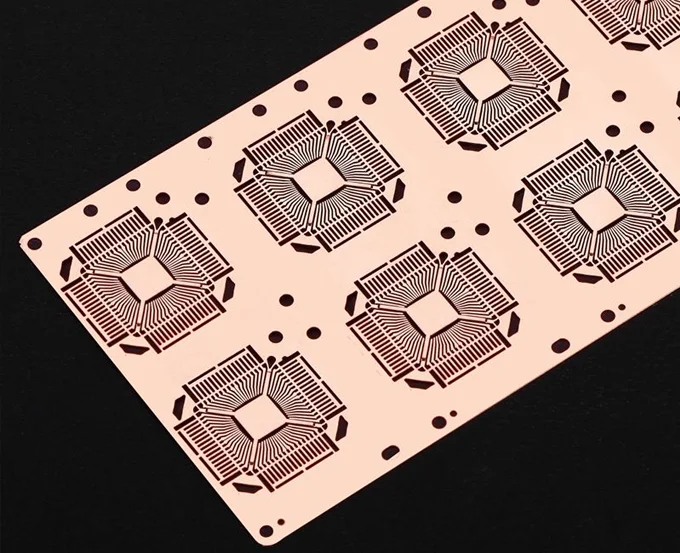
Für diese Frage gibt es keine Standardantwort. Die Wahl des Verfahrens hängt von verschiedenen Faktoren wie dem Produkt, dem Unternehmen und anderen Überlegungen ab. Dieser Artikel wird sich darauf konzentrieren, was ein Leadframe ist, und zwei Verfahren vergleichen, um einige nützliche Einblicke zu bieten. Was sind Leadframes? Leadframes sind eine grundlegende Komponente, die in Halbleiterbauelementen, […]
Explication détaillée de la structure et du principe des piles à combustible à membrane échangeuse de protons
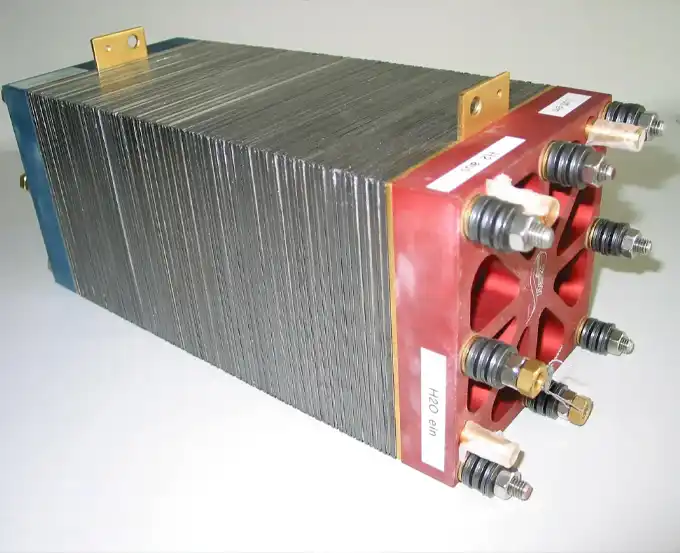
1. Principes de base des piles à combustible à membrane échangeuse de protons Les piles à combustible à membrane échangeuse de protons, également connues sous le nom de piles à combustible à électrolyte polymère, sont un type de pile à combustible à basse température qui fonctionne à des températures relativement basses (généralement en dessous de […]
Spiegazione dettagliata della struttura e del principio delle celle a combustibile a membrana di scambio protonico
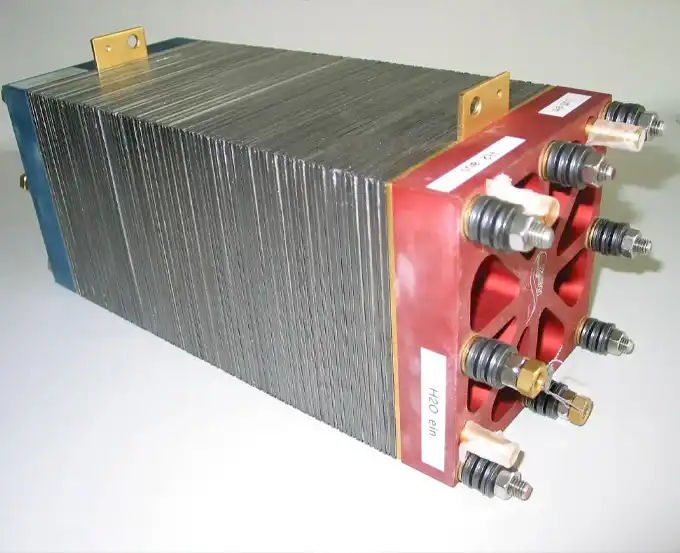
1. Principi di base delle celle a combustibile a membrana di scambio protonico Le celle a combustibile a membrana di scambio protonico, conosciute anche come celle a combustibile a elettrolita polimerico, sono un tipo di cella a combustibile a bassa temperatura che opera a temperature relativamente basse (tipicamente inferiori a 100 gradi Celsius). Ciò le […]
Detaillierte Erklärung der Struktur und des Prinzips von Protonenaustauschmembran-Brennstoffzellen
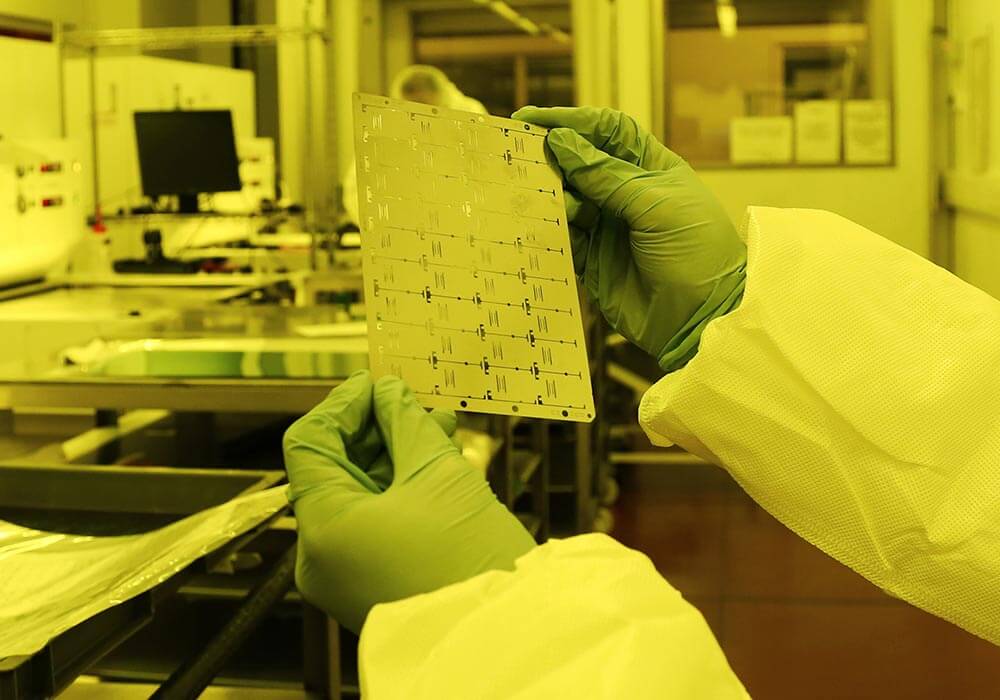
1. Grundprinzipien der Protonenaustauschmembran-Brennstoffzellen Protonenaustauschmembran-Brennstoffzellen, auch bekannt als Polymerelektrolyt-Brennstoffzellen, sind eine Art von Niedertemperatur-Brennstoffzellen, die bei relativ niedrigen Temperaturen (typischerweise unter 100 Grad Celsius) arbeiten. Dies macht sie in ihren Anwendungen hochgradig vielseitig, von der Versorgung von Fahrzeugen bis hin zur Bereitstellung von Notstrom für kritische Infrastrukturen. Sie wurden erstmals in den 1960er Jahren von […]
Detailed Explanation of the Structure and Principle of Proton Exchange Membrane Fuel Cells
1. Basic Principles of Proton Exchange Membrane Fuel Cells Proton exchange membrane fuel cells, also known as polymer electrolyte fuel cells, are a type of low-temperature fuel cell that operates at relatively low temperatures (typically below 100 degrees Celsius). This makes them highly versatile in their applications, ranging from powering vehicles to providing backup power […]