
Il Processo di Attacco Chimico
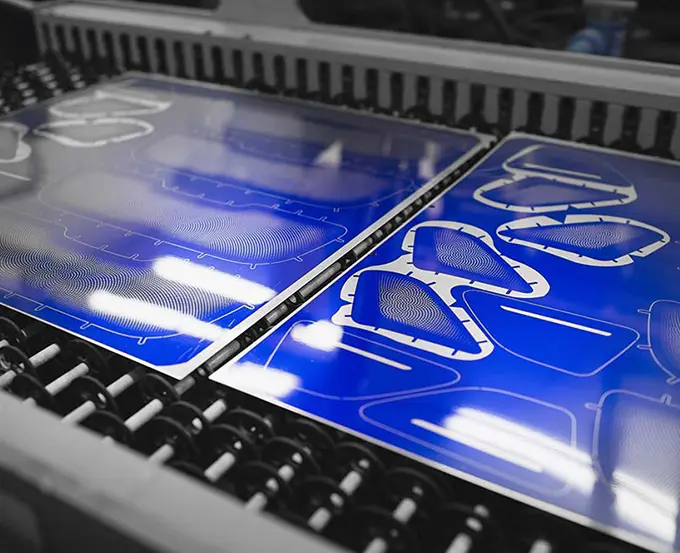
L’attacco chimico è una tecnologia utilizzata da decenni per incidere parti metalliche per varie applicazioni. È un processo adatto per fabbricare parti piccole e intricate con alta precisione. Il processo di attacco chimico utilizza un materiale fotosensibile per mascherare le aree metalliche. Il metallo mascherato viene quindi posto in una soluzione di incisione che rimuove […]
Der Prozess des Metall Ätzens
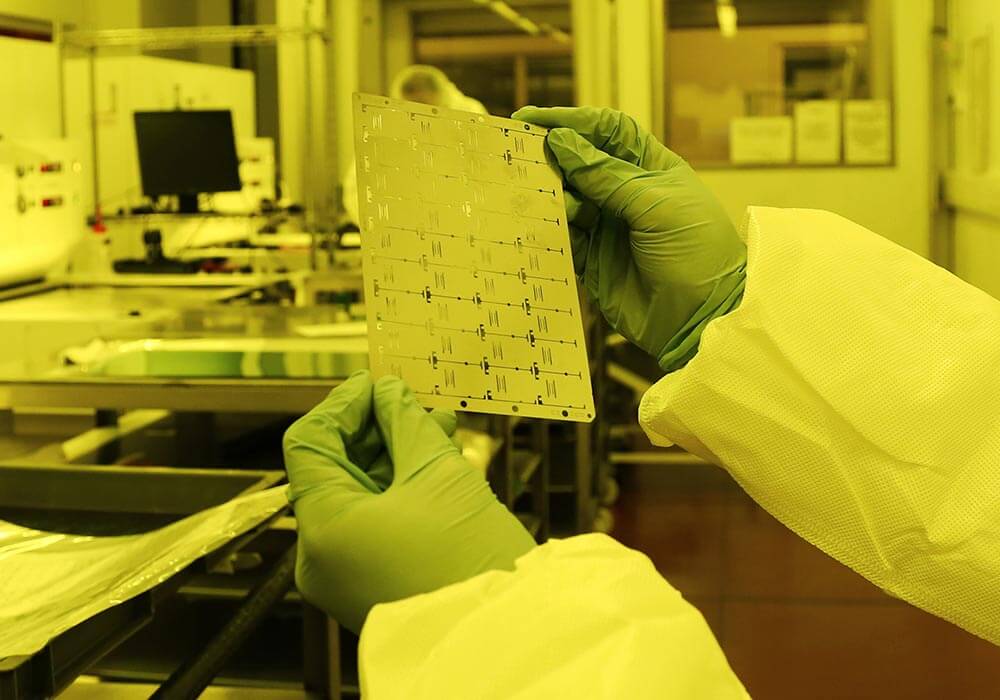
Das Fotoätzen ist eine Technologie, die seit Jahrzehnten verwendet wird, um Metallteile für verschiedene Anwendungen zu ätzen. Es ist ein Verfahren, das sich gut für die Herstellung kleiner, komplexer Teile mit hoher Genauigkeit eignet. Der Fotoätzprozess verwendet ein lichtempfindliches Material, um die Metallbereiche zu maskieren. Das maskierte Metall wird dann in eine Ätzlösung gegeben, die […]
กระบวนการแกะสลักโลหะ
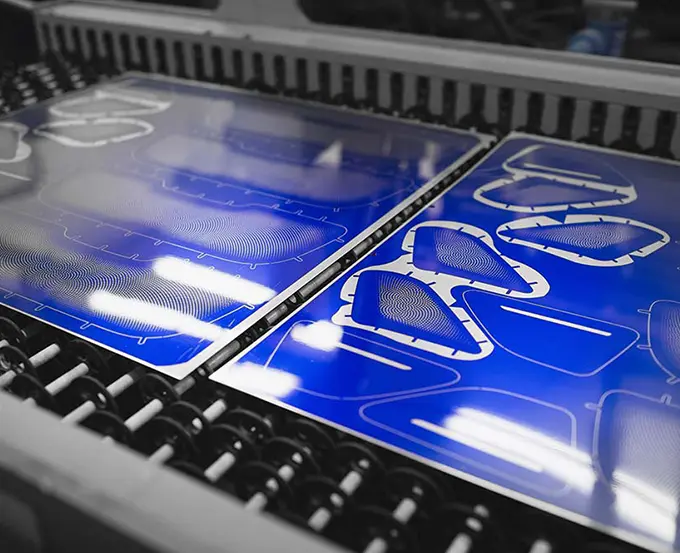
การแกะสลักด้วยแสงเป็นเทคโนโลยีที่ใช้กันมาหลายสิบปีในการแกะสลักชิ้นส่วนโลหะสำหรับการใช้งานต่างๆ เป็นกระบวนการที่เหมาะสำหรับการผลิตชิ้นส่วนเล็กๆ ที่มีความซับซ้อนและมีความแม่นยำสูง กระบวนการแกะสลักด้วยแสงใช้วัสดุที่ไวต่อแสงเพื่อปิดกั้นบริเวณโลหะ จากนั้นโลหะที่ถูกปิดกั้นจะถูกนำไปใส่ในสารละลายแกะสลัก ซึ่งจะทำการแกะสลักโลหะที่ไม่ถูกปิดกั้นออกไป การแกะสลักโลหะคืออะไร? การแกะสลักโลหะ หรือที่รู้จักกันในชื่อ การกัดทางเคมีหรือการแกะสลักด้วยแสง เป็นกระบวนการที่ใช้สารเคมีในการกำจัดโลหะออกจากชิ้นงาน กระบวนการนี้มักใช้ในการสร้างชิ้นส่วนที่ซับซ้อนและมีความแม่นยำสูง ในกระบวนการแกะสลักโลหะ จะมีการวางฟิล์มเนกาทีฟลงบนชิ้นงานโลหะ จากนั้นฟิล์มจะถูกฉายแสง ซึ่งสร้างลวดลายตามการออกแบบที่ต้องการ บริเวณที่ถูกฉายแสงของฟิล์มจะถูกพัฒนาเป็นช่องเปิดในแผ่น ฟิล์มที่เหลือจะปกป้องบริเวณที่ต้องการแกะสลักออกจากโลหะ ชิ้นงานโลหะจะถูกใส่ลงในสารละลายแกะสลัก ซึ่งทำการกำจัดโลหะออกจากบริเวณที่ถูกเปิดเผย สารละลายแกะสลักมักประกอบด้วยสารเคมีเช่นกรดหรือเบส ความลึกของการแกะสลักสามารถควบคุมได้โดยการทิ้งชิ้นงานในสารละลาย เมื่อกระบวนการแกะสลักเสร็จสิ้น ชิ้นงานโลหะจะถูกล้างด้วยน้ำเพื่อกำจัดสารละลายแกะสลักออก จากนั้นชิ้นงานจะถูกทำให้แห้ง และฟิล์มเนกาทีฟจะถูกลบออก ผลิตภัณฑ์สุดท้ายคือชิ้นงานโลหะที่มีลวดลายตามที่ต้องการ การแกะสลักโลหะเป็นกระบวนการที่สามารถใช้สร้างชิ้นส่วนโลหะหลากหลายชนิดที่มีความแม่นยำสูง กระบวนการนี้มักใช้ในการสร้างชิ้นส่วนที่ซับซ้อนที่ยากต่อการผลิตด้วยวิธีอื่น ทำไมถึงใช้กระบวนการนี้? กระบวนการแกะสลักโลหะถูกใช้ในหลายอุตสาหกรรมด้วยเหตุผลที่หลากหลาย บางครั้งใช้เพราะเป็นวิธีที่มีประสิทธิภาพมากกว่าในการผลิตผลิตภัณฑ์ ในบางกรณีใช้เพราะเป็นวิธีเดียวในการผลิตผลิตภัณฑ์ กระบวนการแกะสลักโลหะถูกใช้ในอุตสาหกรรมอิเล็กทรอนิกส์เพื่อผลิตแผงวงจรพิมพ์ (PCBs) แผงวงจรพิมพ์เป็นแพลตฟอร์มที่ใช้ติดตั้งส่วนประกอบอิเล็กทรอนิกส์ ใช้ในยานพาหนะ อุปกรณ์อิเล็กทรอนิกส์ เช่น คอมพิวเตอร์ โทรศัพท์มือถือ และโทรทัศน์ กระบวนการแกะสลักโลหะถูกใช้ในการผลิต PCBs เพราะเป็นวิธีที่มีประสิทธิภาพมากกว่าวิธีอื่นเช่นการกัด กระบวนการแกะสลักโลหะยังถูกใช้ในอุตสาหกรรมการแพทย์ บางครั้งใช้ในการผลิตอุปกรณ์ฝังเช่นข้อต่อสะโพกเทียม ในบางกรณีใช้ในการผลิตเส้นเลือดเทียมที่ใส่เข้าไปในหลอดเลือดเพื่อเปิดพวกมัน กระบวนการแกะสลักโลหะถูกใช้ในการผลิตอุปกรณ์ฝังและเส้นเลือดเทียมเพราะเป็นวิธีเดียวในการผลิตให้มีความแม่นยำที่ต้องการ กระบวนการแกะสลักโลหะมีการใช้งานที่หลากหลายเพราะเป็นวิธีที่มีประสิทธิภาพมากกว่าในการผลิตผลิตภัณฑ์หลายชนิด นอกจากนี้ยังเป็นวิธีเดียวในการผลิตผลิตภัณฑ์บางชนิด การออกแบบเครื่องมือด้วยแสง / การออกแบบ CAD […]
Copper Etching: Reasons for using photo etching for copper metal
Copper is one of the earliest metals used by humans. As early as prehistoric times, people began mining open-pit copper mines and using the obtained copper to make weapons, jewelry, and various utensils. The use of copper has profoundly influenced the progress of early human civilization. Due to its good ductility, high thermal conductivity, and […]
Quelles sont les principales différences entre les piles à combustible PEM, FCAFC, MCFC, SOFC et DMFC ?
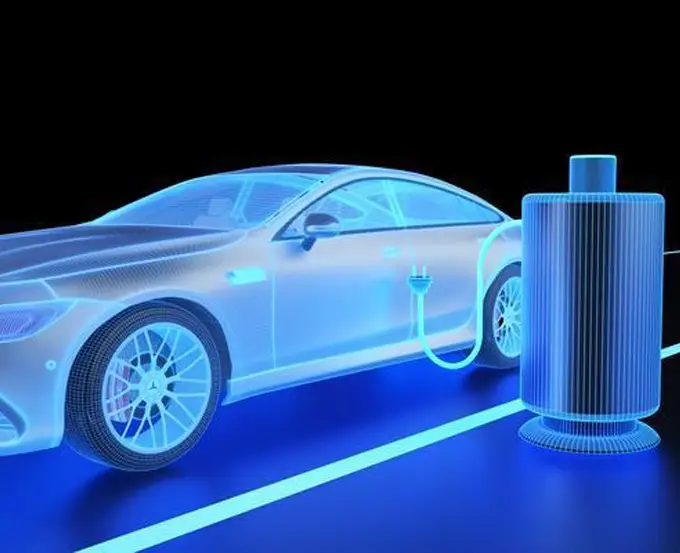
Plus tôt, nous avons introduit les événements de développement des piles à combustible. Comme nous pouvons le constater, le développement des piles à combustible au fil du temps a été diversifié, conduisant à une variété de types et de nombreuses méthodes de classification. Cependant, la classification la plus courante est basée sur le type d’électrolyte, […]
Quali sono le principali differenze tra PEM fuel cell, FCAFC, MCFC, SOFC e DMFC?
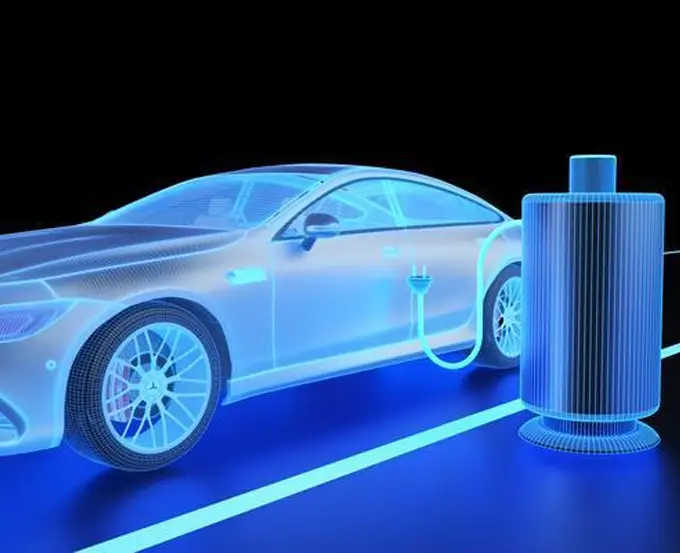
In precedenza, abbiamo introdotto gli eventi di sviluppo delle celle a combustibile. Come possiamo vedere, lo sviluppo delle celle a combustibile nel tempo è stato diversificato, portando a una varietà di tipi e a numerosi metodi di classificazione. Tuttavia, la classificazione più comune si basa sul tipo di elettrolita, includendo “celle a combustibile a membrana […]
Was sind die Hauptunterschiede zwischen PEM-Brennstoffzelle, FCAFC, MCFC, SOFC und DMFC?
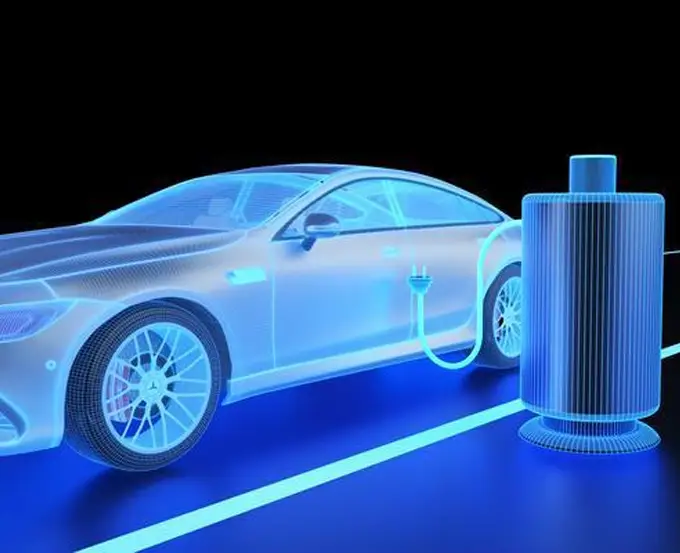
Früher haben wir die Entwicklungsereignisse von Brennstoffzellen eingeführt. Wie wir sehen können, war die Entwicklung von Brennstoffzellen im Laufe der Zeit vielfältig, was zu verschiedenen Typen und zahlreichen Klassifizierungsmethoden geführt hat. Die häufigste Klassifizierung basiert jedoch auf dem Typ des Elektrolyten, einschließlich „Protonenaustauschmembran-Brennstoffzellen“, „Alkalische Brennstoffzellen“, „Phosphorsäure-Brennstoffzellen“, „Schmelzkarbonat-Brennstoffzellen“ und „Festoxid-Brennstoffzellen“. Neben der Klassifizierung nach Elektrolyttyp gibt […]
Entrer dans le monde des piles à combustible : comprendre le développement des piles à combustible
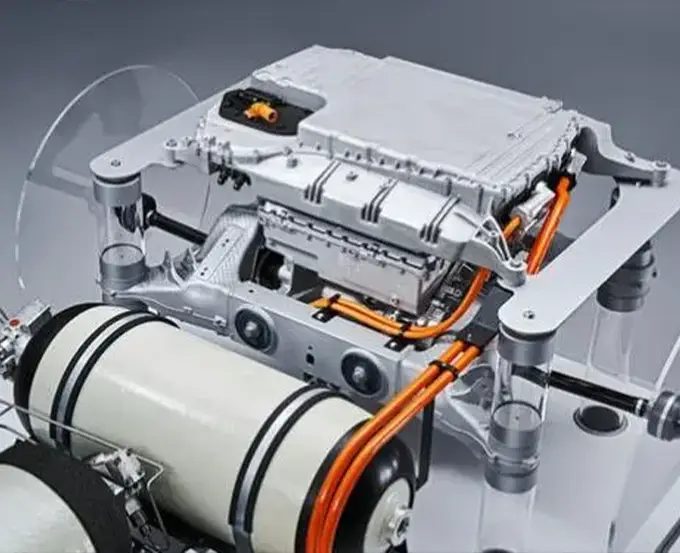
Cet article se concentrera sur l’histoire du développement des piles à combustible, vous faisant découvrir certains événements importants de leur évolution. Découverte de l’électrolyse de l’eau Le développement des piles à combustible ne peut être discuté sans mentionner William Nicholson et Anthony Carlisle. C’est leur proposition en 1800 d’utiliser l’électricité pour décomposer l’eau en hydrogène […]
Entrare nel mondo delle celle a combustibile: Comprendere lo sviluppo delle celle a combustibile
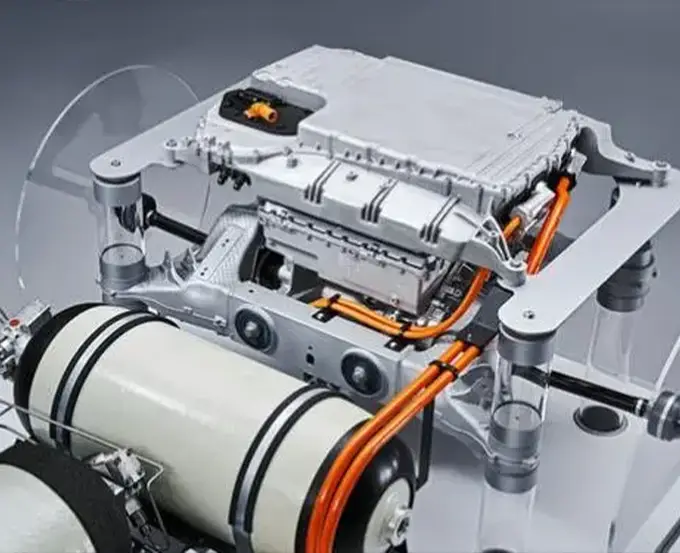
Questo articolo si concentrerà sulla storia dello sviluppo delle celle a combustibile, portandovi attraverso alcuni eventi importanti nella loro evoluzione. Scoperta dell’elettrolisi dell’acqua Lo sviluppo delle celle a combustibile non può essere discusso senza menzionare William Nicholson e Anthony Carlisle. Fu la loro proposta nel 1800 di utilizzare l’elettricità per decomporre l’acqua in idrogeno e […]