
Reliable EMI RFI shielding is a critical part of modern electronic systems to ensure signal integrity, safety, and consistent performance. Electromagnetic and radio-frequency interference exposure continues to rise as devices shrink, accelerate, and connect. This article will share what EMI RFI shielding is, how it works, and why proper design is critical in the realm of consumer, industrial, medical, and automotive electronics. A better understanding of EMI RFI shielding materials enables engineers and manufacturers to alleviate noise, reduce compliance risk, minimize their spending on excess parts, enhance reliability, and ultimately enable the delivery and performance of electronic products in environments.
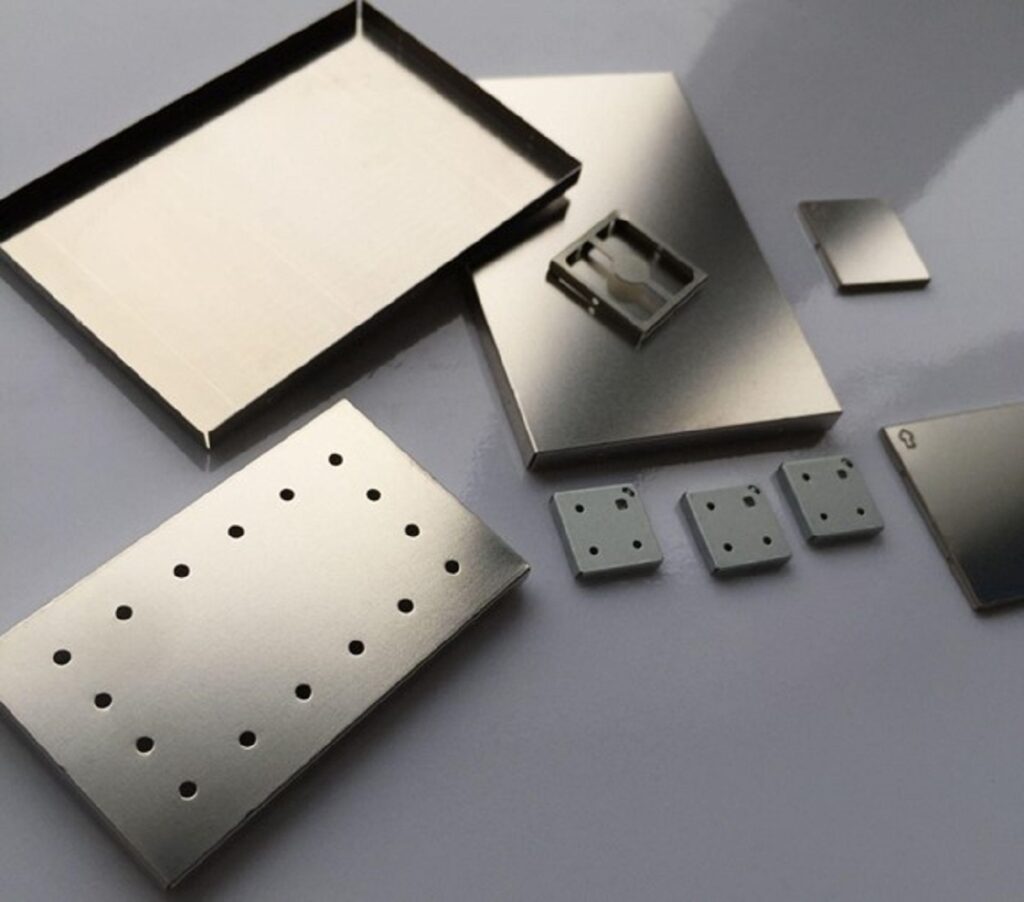
What Is EMI RFI Shielding?
EMI (Electromagnetic Interference) and RFI (Radio-frequency Interference) shielding is a type of enclosure that takes many forms to prevent, mitigate, or attenuate EMI in electronic devices. These undesired signals could be from internal circuitry or external wireless signals and degrade performance, accuracy, and safety. EMI RFI shielding reflects, absorbs, or grounds the interference before it gets to your sensitive components. Typical methods of use are through conductive enclosures, coatings, gaskets, or foils. Appropriate Electromagnetic and radio-frequency interference shielding is needed for stable operation and signal integrity of modern electronics and for meeting industry standards.
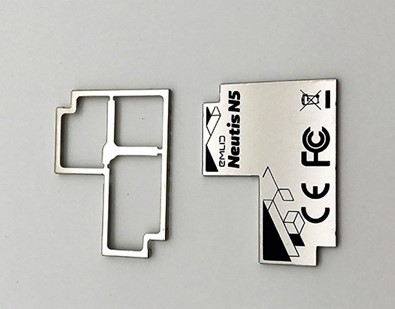
Understanding EMI RFI Shielding and How It Works
Electromagnetic interference (EMI) and radio-frequency interference (RFI) shielding is a key industry technology that protects electronic systems against the intrusion of unwanted electromagnetic and radio-frequency interference from the external environment. With the continued miniaturization of devices and the rising operating speed, interference is a notable concern. In the following, we’ll guide you through EMI RFI shielding, how it functions, its principles and why it is instrumental to reliable electronic performance in diverse industries. EMI RFI shielding ensures valid signal protection, safety, and regulatory compliance.
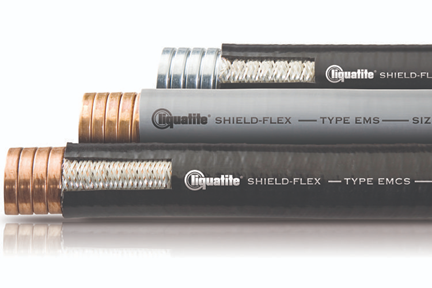
Key Principles of EMI RFI Shielding
- Blocking Electromagnetic Interference
An RFI EMI shielding provides a physical barrier by isolating external electromagnetic waves from sensitive electronic parts, which may disturb their proper operation. - Containing Internal Emissions
EMI and RFI protection help limit these enclosures from emissions of every device, as all electronics emanate noise, and the devices can be protected from interference. - Reflection of Interference Signals
Conductive EMI RFI shielding materials are designed to reflect electromagnetic waves away from important circuits, thereby increasing their signal attenuation. - Absorption of High-Frequency Noise
Certain shielding materials absorb electromagnetic energy, transform it to heat and thus reduce interference. - Grounding and Signal Redirection
Efficient EMI RFI shielding absorbs and directs harmful signals safely to ground, thus preventing damage to internal components. - Frequency-Specific Shielding Performance
EMI RFI shielding solutions are designed to work across certain frequency spans for fluent utility. - Minimizing Signal Leakage
Properly designed Electromagnetic interference and RF shielding should minimize gaps, seams, or openings that will allow interference to leak through an enclosure. - Supporting High-Speed Electronics
The use of EMI RFI shielding is essential for modern high-speed circuits that need to ensure the integrity of the data and that the signal does not get distorted. - Enhancing Product Reliability
That lowers the electromagnetic stress, and that significantly increases device durability and performance consistency, which is what RFI shielding is good for. - Ensuring Regulatory Compliance
Products also need to be properly EMI RFI shielded with materials as necessary to comply with worldwide EMI RFI standards for commercial and industrial end uses.
Types of EMI RFI Shielding Materials and Techniques
The right Electromagnetic interference and RF shielding approach will depend on the frequency range, the environment, and the application. EMI RFI shielding materials and techniques are very specific; they block, absorb, or deflect just what needs to be deflected, absorbed, or blocked. Common materials and methods. This section highlights the most commonly used materials and methods in modern shielding design
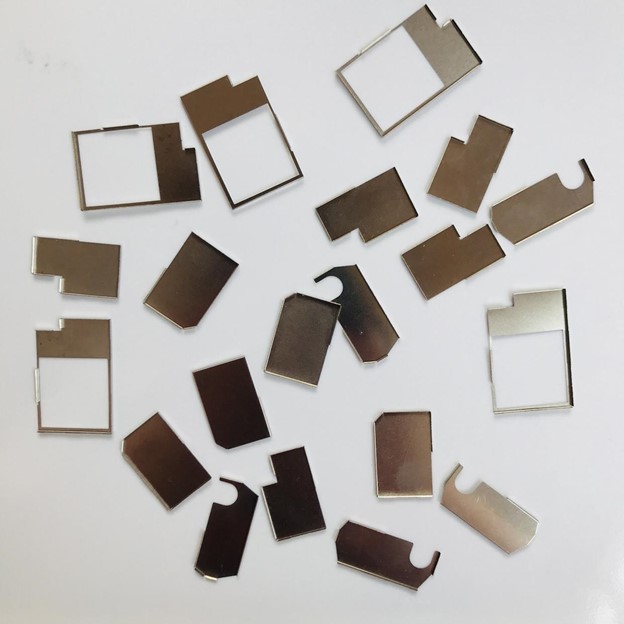
- Metal Enclosures and Housings: In electronic enclosures, metal-based EMI RFI shielding materials provide strong reflectivity and containment of electromagnetic interference (EMI), including aluminum, copper, and steel.
- Conductive Coatings and Paints: These EMI RFI shielding solutions place thin conductive coatings over plastic or composite parts, providing effective shielding without adding much extra weight.
- Shielding Gaskets and Seals: Conductive gaskets are designed to fill gaps, joints, and seams to provide continuous shielding from EMI and RFI that would otherwise escape or emit, in other words, leaking interference.
- Foils and Laminated Shielding Films: Flexible EMI RFI shielding materials, such as metal foils and laminates, are preferred for cable shielding and miniature electronic assemblies.
- Grounding and Bonding Techniques: Redirection of unwanted RFI/EMI energy away from sensitive components can be performed safely and effectively with proper grounding techniques.
Applications of EMI RFI Shielding Across Industries
EMI RFI shielding is highly adopted in industries that are highly sensitive to electronic stability, accuracy of the signal, and safety. For increasingly more advanced systems of systems architecture, the shielding for EMI/RFI is even more important, as EM and RF interference can degrade performance for all products on a vehicle. The following are important industries that rely on this shielding.
- Consumer Electronics: Due to the limited space in consumer electronics such as smartphones, laptops, and wearables, integrating shielding solutions solves the signal interference problem and ensures stable performance.
- Medical and Healthcare Equipment: This shielding is used in diagnostic machines and monitoring systems to ensure that these devices provide accurate readings without interference from external elements, thereby protecting sensitive electronics from damage.
- Automotive and Electric Vehicles: Electromagnetic noise can interfere with control systems, sensors, and infotainment units, and as a growing number of modern vehicle functions rely on them, mechanisms such as Electromagnetic interference and RF shielding become indispensable as an automotive need.
- Aerospace and Defense Systems: This creates overmolds for aircraft bodies and defense electronics that are rugged, high-temperature resistant, meeting federal requirements.
- Industrial and Automation Equipment: In EMI RFI shielding solutions, many times noise immunity is essential to the sound operation of a machine, particularly when a long service life is intended.
How to Choose the Right EMI RFI Shielding Solution
With so much at stake, selecting the correct EMI RFI shielding manufacturers for OEMs is critical to long-term, stable operation and reliability of electronic devices. The best solution possible based on interference levels, the operating environment, and production needs. Some of the key attributes to consider when comparing EMI RFI shielding options for your specific application are covered in this section.
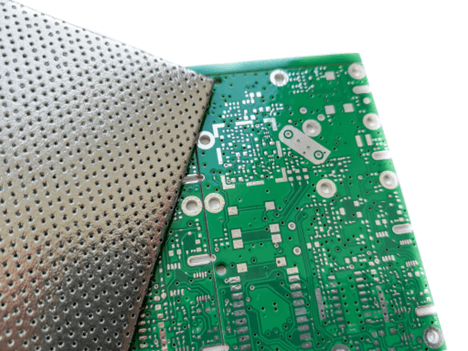
- Identify Interference Sources and Frequency Range: Determine if EMI or RFI is internal or external, and choose EMI and RFI shielding that provides a good performance versus the necessary frequency range.
- Choosing Appropriate EMI RFI Shielding Materials: Choose from shielding materials based on conductivity, durability, weight, and your equipment enclosure design and application requirements
- Consider Production Scale and Manufacturing Method: Emphasize EMI RFI shielding for mass production with high quantities that are able to be processed repeatedly and reliably.
- Evaluate Supplier Expertise and Capabilities: Partner with high-performance EMI RFI shielding suppliers that can provide engineering assistance, sample first article production & ultimately scalable manufacturing solutions.
- Ensure Compliance and Long-Term Reliability: Shielding effectiveness test under the actual operating conditions to meet the electromagnetic interference and RF shielding requirements of new designs
Why TMNetch Is a Trusted Source for EMI RFI Shielding Solution
TMNetch is your reliable partner for EMI RFI shielding solutions, meeting the needs of precision, consistency and large production. TMNetch shielding solutions have proven to be effective in real-world electronics applications, backed by solid engineering experience and manufacturing control.
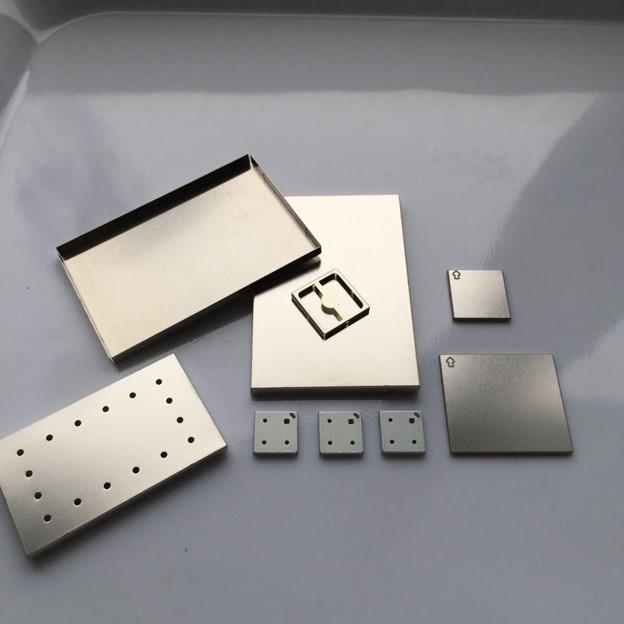
- TMNetch shielding materials are high-quality materials for stable performance over several frequency ranges.
- The company supports EMI RFI shielding for mass production with tight tolerances and repeatable manufacturing processes.
- Being an OEM partner, TMNetch collaborates with OEMs, which makes it among the trusted EMI RFI shielding manufacturers for OEMs.
- The engineering team works with clients to create custom shielding solutions for a specific application.
- As a high-performance EMI RFI shielding supplier for complex projects, TMNetch is trusted by clients globally.
FAQs
1. What industries benefit most from EMI RFI shielding?
Electromagnetic interference and RF shielding is used to protect sensitive systems in industries like electronics, automotive, medical, aerospace, and industrial manufacturing. EMI RFI shielding solutions help to maintain signal integrity and safety and adhere to global standards.
2. How do I choose the right EMI RFI shielding materials?
The EMI RFI shielding material is chosen according to the frequency as well as the desired life service. Collaboration with high-performance EMI RFI shielding suppliers results in materials that meet technical specifications and have the consistency to support long term reliability.
3. Why is EMI RFI shielding important for mass production and OEMs?
EMI RFI shield for mass production, OEMs demand uniform performance in manufacturing. This shield manufacturer has the ability to provide scalable solutions, as well as arrive at minimal interference levels and an automated manufacturing process.
Conclusion
EMI RFI shielding is critical to protecting sensitive components from electromagnetic interference as electronic systems continue to evolve to meet standards while functioning reliably. EMI RFI shielding materials are trusted materials with planned EMI RFI shielding solutions that ensure minimum disturbance and blocking of signals and meet regulations. With TMNetch as partners, manufacturers benefit from the predictable quality, exacting fabrication, and scalable production support. This holistic approach to EMI RFI shielding not only strengthens devices and enhances their reliability but also ensures sustainable function as an integral part of modern electronics design and manufacturing.