
The chemical etching process is a widely adopted non-mechanical manufacturing technique used to produce highly functional, thin, intricate, and precise metal parts. This method provides a clean edge with identical quality, which is why it is preferred in industries. The chemical etching process for metal parts removes specific areas of metal using controlled chemical reactions. With a clear step-by-step chemical etching process, manufacturers achieve great detail at lower production costs. The following is the information you need to know, as many companies rely on custom chemical etching process manufacturers to provide process outcomes that are reliable, repeatable, and ultimately, at a high-precision chemical etching process for advanced applications.
Basic Principles of Chemical Etching
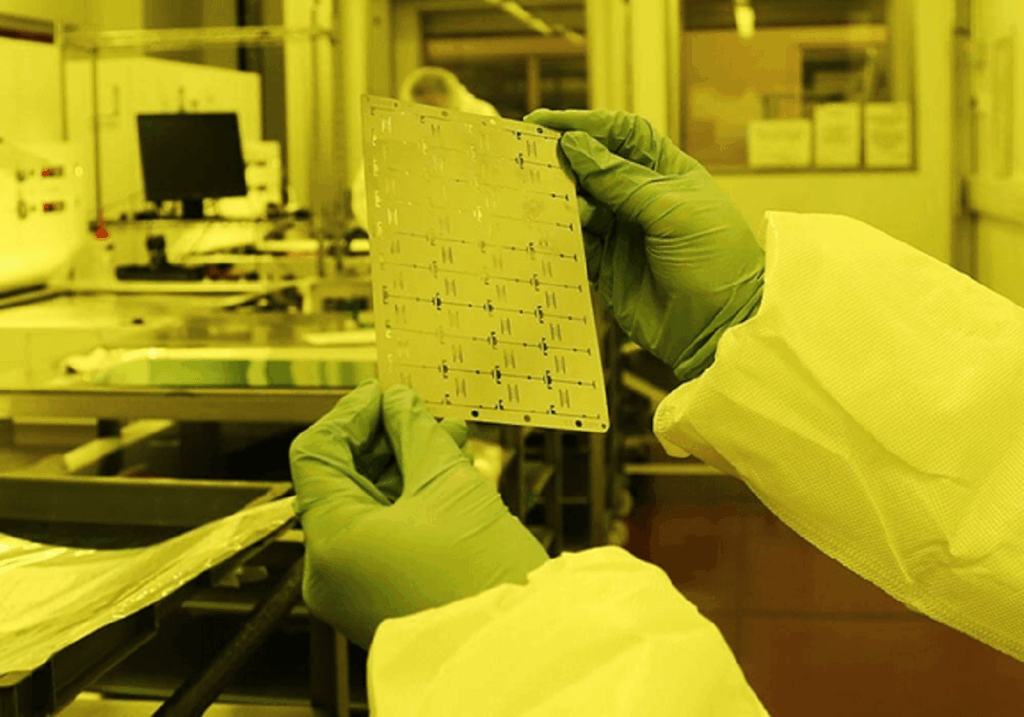
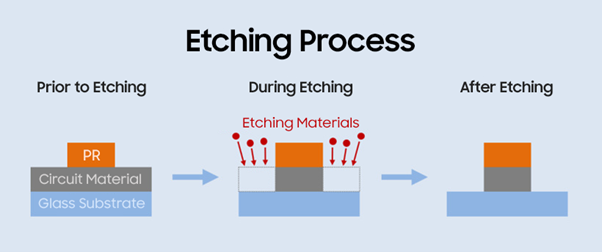
In the chemical etching process, the unprotected areas of a metal sheet are dissolved away based on controlled chemical reactions. Next, a resist layer is coated to protect parts of the wafers that cannot be damaged. Thus, the chemical etching process for metal parts itself is highly precise and stress-free. The step-by-step chemical etching process ensures that only the desired metal is removed, thus giving a distortion-free and burr-free pattern. This enables custom chemical etching process manufacturers to simply create fine shapes.
Chemical Etching Process—Step-by-Step
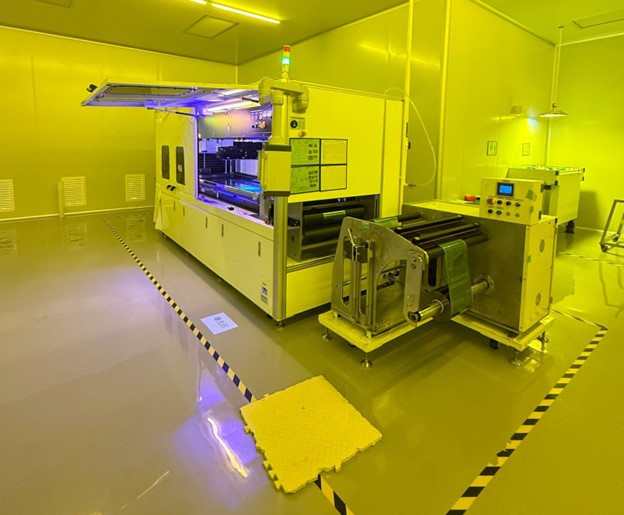
The chemical etching process follows a structured workflow to ensure clean edges, clean patterns, and repeatability. Industries that require thin, detailed components use this step-by-step chemical etching process. If appropriately followed, each stage ensures that custom chemical etching process manufacturers produce consistent results of high-quality standards. Below is the high-precision chemical etching process in detail with clarity.
- Material Selection
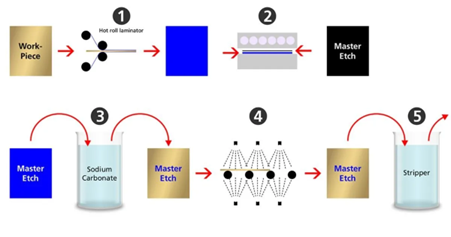
The first step of the chemical etching process is to select a suitable metal that has a good reaction to the etchant; this step is crucial for the accurate chemical etching process for metal parts. - Cleaning the Metal Surface
The surface of the sheet is free from oils and impurities, allowing for a uniform, high-precision chemical etching process to take place. - Applying Photoresist
There is a protective layer of photoresist to control removal places in the high-precision chemical etching process. - Printing or Imaging the Design
Through a photo mask, it transfers the same design to the metal so that the same patterns effective by the chemical etching process can be formed. - UV Exposure
After that, UV light cures the resist in places, priming the metal for a cleaner, more controlled, high-precision chemical etching process. - Developing the Image
The areas that have not been exposed are washed away, leaving only the areas you want open for the chemical etching process for metal parts. - Chemical Etching
In this step, a chemical etching is developed to achieve high precision, dissolving the exposed areas of metal and creating the final form. - Resist Removal
Then, in the sequential chemical etching process, layer by layer, the hardened resist is removed so that the final part is revealed, having passed through all the quality checks. - Rinsing and Final Cleaning
Rinses are conducted on components to flush away chemical residues, allowing for an even, high-precision chemical etching process to be achieved. - Inspection and Quality Control
Measurements are in fractions of a chemical etching process manufacturers can give the best possible results.
Types of Chemical Etching Processes
The chemical etching process is not a one-and-done process but varies based on metal type, design complexity, and production needs. Numerous industries will look into methods through reputable channels, such as the chemical etching specialists at TMNetch, to obtain a high-precision chemical etching process that suits their corresponding application.
- Wet Chemical Etching: It utilises the use of liquid etchants, which dissolve the exposed metal, therefore, it is suitable for the chemical etching process for metal parts.
- Dry Chemical Etching: A cleaner and more step-by-step chemical etching process through gas-based means.
- Photo-Chemical Etching: This process, which uses photoresist and UV imaging to fabricate very fine patterns, is able to produce structures on the order of 10s of microns. Many of the custom etching process manufacturers use this approach.
- Acid Etching: Powerful acids take away metal material very quickly, and thus chemical etching processes create precision thin components fast and accurately.
- Alkaline Etching: It removes certain metals in alkaline solutions and maintains a stable, high-precision chemical etching process.
Materials Used in the Chemical Etching Process
The chemical etching process supports a wide range of metals, making it suitable for industries that require precision and flexibility. Selecting the correct materials can provide you with a reliable, reproducible, and high-precision chemical etching process every single time.
- Stainless Steel: It is common since it provides clean results and high durability in the chemical etching process for metal parts.
- Copper and Copper Alloys: Ideal for electronics where the step-by-step chemical etching process must create fine, conductive patterns.
- Aluminum: Ideal for a process that is a quick, efficient chemical etching process.
- Nickel and Nickel Alloys: This term is used by custom chemical etching process manufacturers requiring heat and wear resistance, which you use to create the shape of the item.
- Titanium: An engineering-grade metal, which is durable, facilitates a trustworthy and high-precision chemical etching process to meet the aerospace and medical requirements.
Safety and Environmental Considerations
The chemical etching process is a mighty technology for the manufacturing industry, without proper management of the process, it poses unnecessary risk to workers, facilities, and the environment. This is the reason behind a proper regimen of cleaning before the high-precision chemical etching process to ensure that no kind of risk is involved while conducting the process.
- Safe Handling of Etchants: During the chemical etching process for metal parts, operators use protective gear that prevents direct contact with chemicals.
- Controlled Ventilation: It is a step-by-step chemical etching process, and ventilation systems are used to accomplish this removal.
- Waste Neutralization: Neutralized acids of chemicals used are disposed of, making for an eco-friendly chemical etching process
- Eco-Friendly Alternatives: The majority of the custom chemical etching process manufacturers operate with low-toxic solutions in order to reduce environmental cost.
- Regular Equipment Maintenance: Over a long span, the safety, consistency, and high-precision chemical etching process are maintained by regular inspections.
Advantages and Limitations of Chemical Etching
Although the chemical etching process offers a myriad of benefits that make it a favorable process for industries seeking stress-free, high-precision metal parts, this technique does have its limitations. Awareness of both allows companies to choose the correct high-precision chemical etching process to meet their needs.
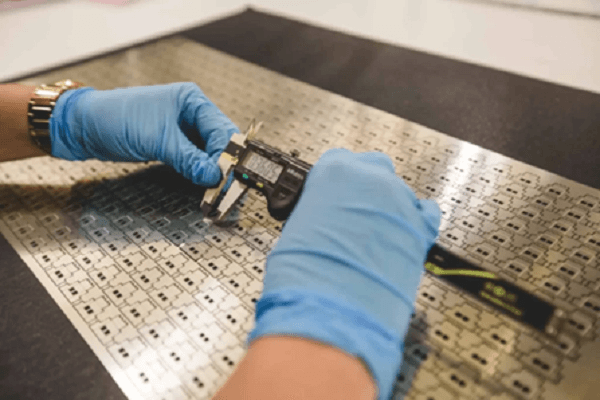
- High Precision and Accuracy: Micron detail is achieved by the chemical etching process for metal parts, therefore providing a perfect solution for the fine and complicated parts.
- No Mechanical Stress: The chemical etching process eliminates distortion, bending, or cracking often experienced with thin metals, as no cutting force is applied.
- Cost-Effective Tooling: Compared to stamping, the step-by-step chemical etching process to chemically etch digital designs is cheap and fast to revise; CNC is even pricier.
- Suitable for Complex Shapes: Custom chemical etching process manufacturers can easily manufacture detailed patterns, which are unsuitable for traditional methods.
- Limited to Thin Metals: This chemical etching process is more relevant for thin sheets, since the thicker the material, the longer it will take to etch, which could decrease efficiency.
TMNetch’s Role in Delivering High-Precision Chemical Etching
TMNetch improves the accuracy, reliability, and consistency of the chemical etching process across all stages of the chemical etching process for industries. This allows for a high-precision chemical etching process across multiple applications quickly and effectively with the support of their know-how.
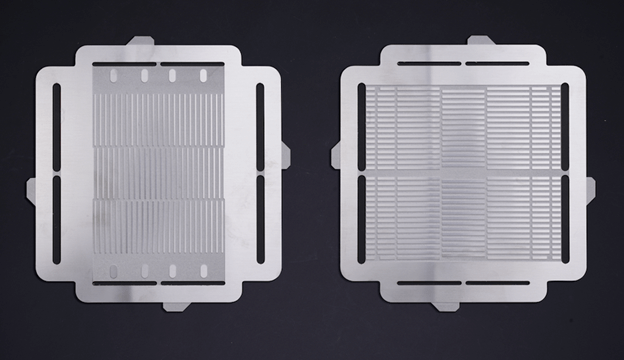
- Specialised Metal Preparation: TMNetch beautifies the defect-free, clean surface to get even tighter precision and accuracy in the chemical etching process for metal parts.
- Controlled Photoresist Coating: Coated techniques are at a similar level of accuracy so that they maintain a stable step-by-step chemical etching process each other.
- Advanced Chemical Etching Systems: Today, with optimised etchants and modern equipment, a very stable, high-precision chemical etching process is achieved.
- Custom Manufacturing Expertise: TMNetch specialized in complex industrial requirement solutions that come with years of typical custom chemical etching process manufacturing experience.
- Comprehensive Quality Control: Everything is given a quality inspection, and we are exceeding the strictest chemical etching process in the industry.
FAQs
1. What makes the chemical etching process different from traditional cutting?
The chemical etching process removes metal chemically, applying very low stress or distortion to the substrate. This enables a high-precision chemical etching process suitable for thin parts made by the process for metal components.
2. How accurate is the chemical etching process for detailed components?
In the chemical etching process, you get micron-level precision right out of the gate. This is the most important process in the case of manufacturers, with their chemical etching process for metal parts under a controlled environment.
3. Who should use custom chemical etching services?
Industries needing fine patterns benefit from the chemical etching process. Their expertise ensures a high-precision chemical etching process and consistent results throughout the process for metal parts.
Conclusion
The chemical etching process is one of the most consistently used techniques for the creation of thin, complex, and precise metal elements from different metal materials in many industries. You should save it for advanced applications, as it tends to provide sharp edges and painless output. An extensive step-by-step chemical etching process provides companies with the option of consistent, repeatable shapes for less than other processes. Custom chemical etching process manufacturers ensure that every project passes stringent quality tests. If your industry requires a precision chemical etching process or a unique solution, turn to a partner you can trust. TMNetch is your trusted partner for premium metal etching services.